

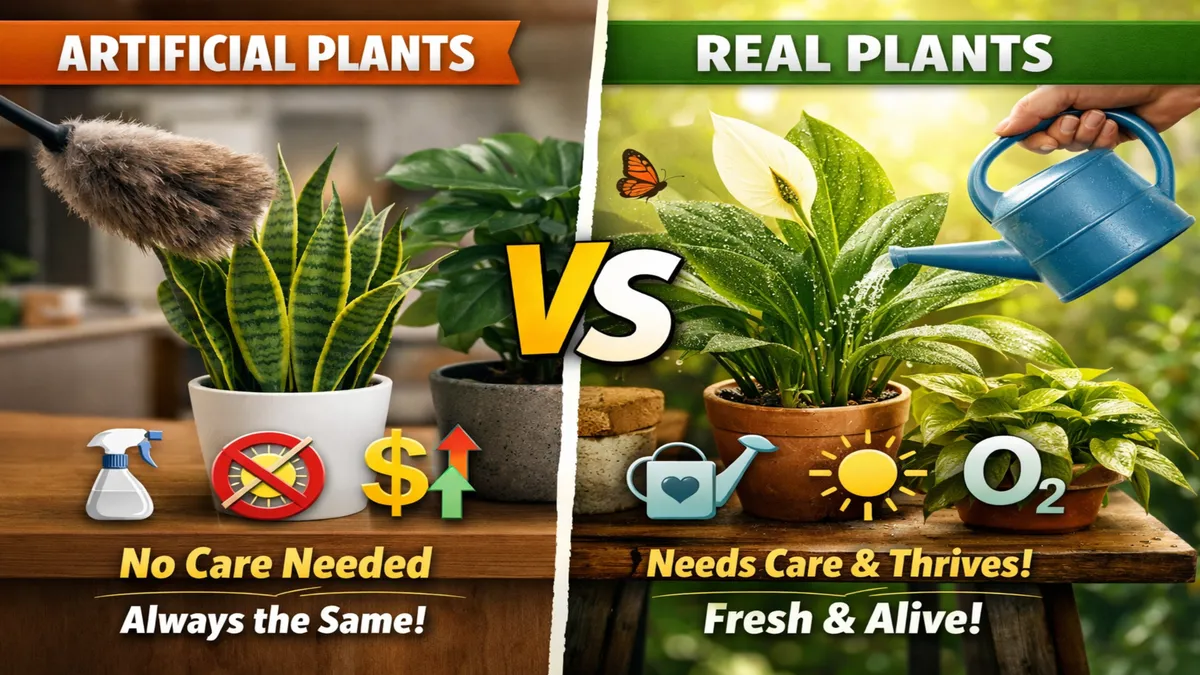
These days, there's a lot of confusion in many homes between artificial plants and real indoor plants. Artificial plants seem clean, vibrant, and easy. Or do real plants require care, time, and patience? I've experimented with both in my own home. Some rooms had artificial plants, while others had real ones. Over time, I noticed a clear difference in comfort, the feeling of the air, mood, and the effort involved. This article shares a simple, honest comparison to help you choose what's truly right for your home and lifestyle.
Understanding Artificial and Real Indoor Plants
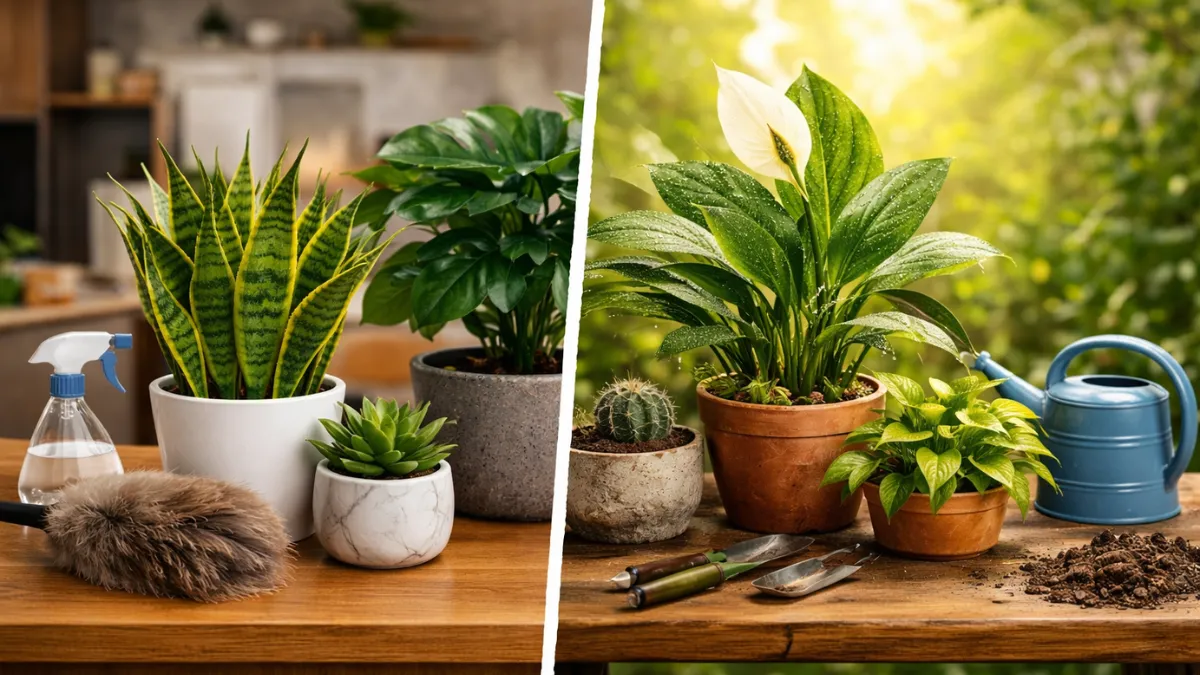
Most artificial plants are made of plastic, fabric, or rubber. They look green and vibrant all year round and don't require water, sunlight, or soil. Many people use them for decoration, especially in offices and rental properties.
Related News
Real indoor plants are living plants grown in soil or water. They require sunlight, water, and basic care. In return, real indoor plants grow, change, and naturally interact with your home environment.
Maintenance and Daily Effort Comparison
Artificial Plants and Maintenance
Artificial plants are very low-maintenance. You only need to dust them occasionally. There's no watering, no pests, and no sunlight issues. This makes them popular for busy people or those with dark rooms.
Real Indoor Plants and Daily Care
Real plants require regular care. You need to water them properly and place them in a location with adequate sunlight. Sometimes their leaves turn yellow or dry out. But with a simple routine, caring for them becomes a relaxing habit, not a burden.
Impact on Health and Home Environment
Artificial Plants and Health
Artificial plants do not improve air quality. They only add visual greenery. In fact, dusty artificial plants can trigger allergies if they aren't cleaned regularly. They also don't affect the humidity or oxygen levels indoors.
Real Plants and Indoor Air
Real plants gradually help improve indoor air quality. They release oxygen and add a little humidity. Often, especially in enclosed rooms, real plants make the air feel fresher and the space more vibrant.
Emotional and Psychological Impact
Living plants give you a sense of connection. Watching their new leaves grow is mentally calming. Many people find comfort in being around real plants after a long day. Artificial plants may look nice, but they don't provide this emotional comfort.
In my experience, rooms with real plants feel more peaceful. Your guests will notice the difference too. While artificial plants always stay the same, real plants grow and change with your home and the seasons.
Cost and Long-Term Value
Cost of Artificial Plants
Artificial plants are expensive upfront. And good quality ones aren't cheap either. Over time, they fade, collect dust, and may need replacing. They have no resale or reuse value.
Cost of Real Plants
Buying real plants is much cheaper. The pots, soil, and fertilizer are inexpensive. With proper care, a plant can live for years. You can also propagate new plants from cuttings, saving you money.
Where Artificial Plants Work Best
Artificial plants are useful in very dark rooms that don't get sunlight. They also work well in temporary setups, offices, or decorative shelves where maintenance is often difficult. For people who travel frequently, they reduce stress.
Where Real Indoor Plants Work Best
Real plants are best for your living room, bedroom, and balcony. They improve mood, air quality, and the overall energy of your home. For those who want to enjoy nature, real plants offer daily joy and satisfaction.
Comparison Table: Artificial vs. Real Indoor Plants
| Feature | Artificial Plants | Real Indoor Plants |
|---|---|---|
| Maintenance | Very low | Moderate |
| Air Quality | No benefit | Improves air slowly |
| Emotional Value | Decorative only | Calming and refreshing |
| Lifespan | Fades over time | Can live for years |
| Cost Over Time | High | Low |
| Dust & Allergy | Can collect dust | Natural and fresh |
Common Mistakes People Make
Many people choose artificial plants thinking that real plants are too difficult to grow. Others buy real plants without learning basic care. Both approaches fail without understanding the needs of the plants. More important than choosing between fake or real is choosing the right plant for the right location.
Final Thoughts
Artificial plants aren't bad, but they have limitations. Real indoor plants offer more than just beauty. They bring life, freshness, and tranquility to your home. If you can provide even minimal care, real plants are always better. Choose artificial plants only where real plants cannot survive. For most homes, a balanced mix works best.