

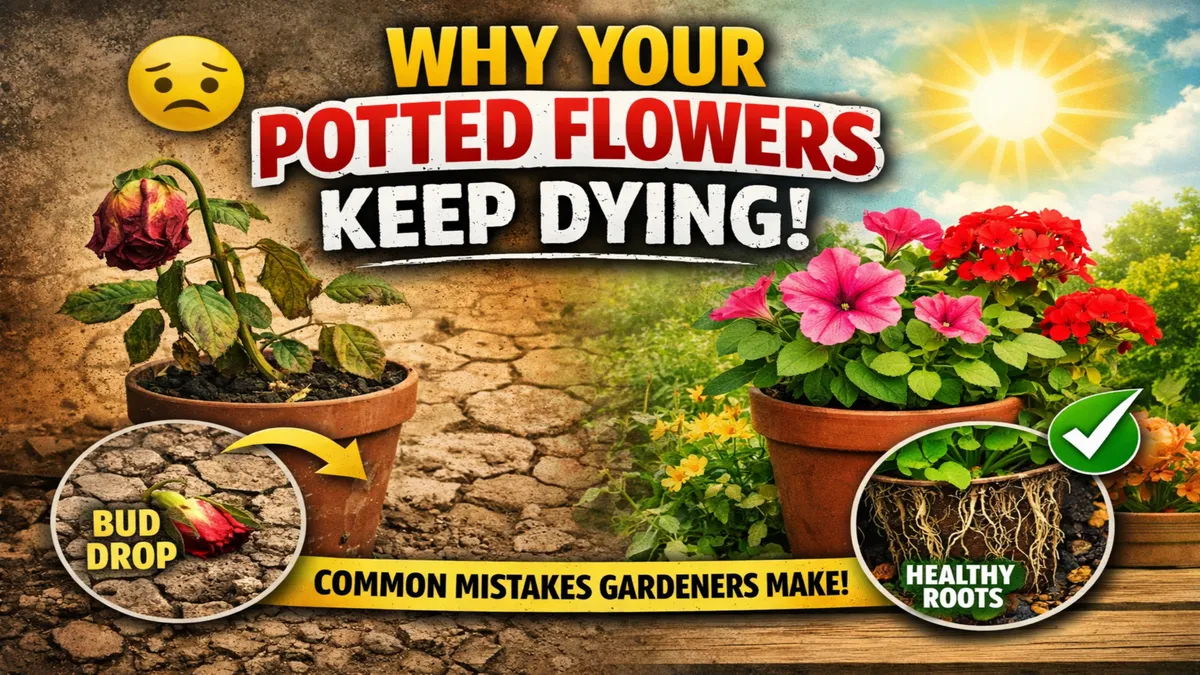
Many people enthusiastically bring flowering plants home, plant them in pots, water them daily, and yet watch them slowly wither. I've done it myself. The problem isn't a lack of care; it's choosing the wrong flowers for pots.
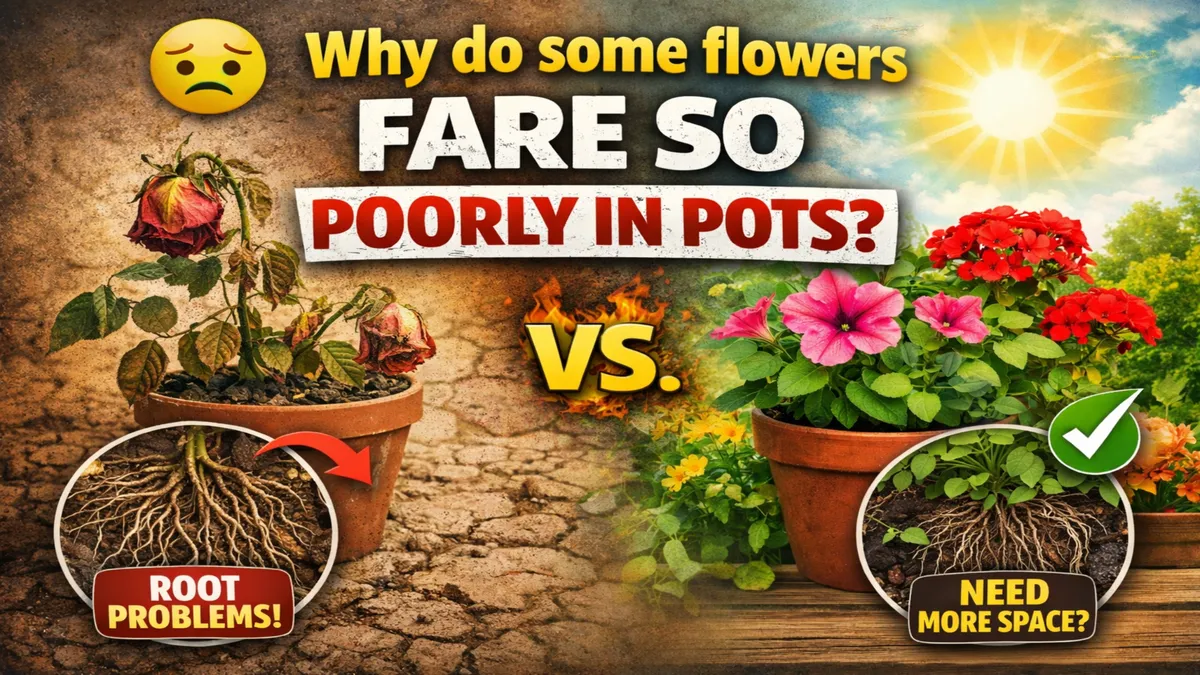
Why do some flowers fare so poorly in pots?
Some flowers look perfectly healthy at the nursery, but behave very differently once planted in pots at home. These plants require deep soil, ample sunlight, and room for their roots to spread, which pots simply cannot provide.
Related News

Many gardeners assume that wilting means insufficient watering or a fertilizer issue, but the real problem is root space and air circulation. Some flowers are meant for open ground, and they experience stress when confined to pots.
The Most Problematic Flowers for Pots
Some flowers are popular but notoriously difficult to grow in pots, especially in Indian homes where space is limited and sunlight is inconsistent. These plants don't show immediate signs of trouble, which confuses most beginners.
They might bloom once or twice, then suddenly stop flowering, turn yellow, or dry up. By the time people realize something is wrong, the roots are often too damaged to recover.
Rose Plants
Roses are one of the most common flowers people try to grow in pots, but they require deep soil and strong morning sunlight. In shallow pots, their roots quickly overheat and stop providing adequate nourishment to the plant.
Most roses also need consistent air circulation and regular pruning, which indoor balconies don't always provide. Without this, the plants develop weak stems and produce very few flowers over time.
Chrysanthemums
Chrysanthemums look hardy, but they are seasonal ground-growing plants that need space for their roots to spread. In pots, they grow leaves but fail to produce healthy flowers.
They also need cool nights and plenty of sunlight, conditions rarely found in balcony pots. This stress causes their buds to dry up before they can open, leading people to believe the plant is unhealthy.
Signs that these flowers are unhappy in pots
Plants always give some warning signs before they die, but we often ignore them because they seem insignificant at first. Paying close attention to the leaves and stems can save you time and money.
Ignoring these early signs leads to repeated failures and frustration, especially for beginners who think they are doing everything right but their plants keep dying.
Slow Growth and Weak Stems
When flowers struggle in pots, their growth becomes slow and uneven. Their stems become thin and easily bent, even with proper watering and fertilization.
This happens because the roots cannot spread freely and absorb nutrients evenly. The plant expends energy on survival instead of growing strong and healthy.
Bud Drop Before Blooming
A common sign is the formation of buds followed by their sudden dropping. Many people think this is due to pests, but often the real cause is root stress.
When roots experience crowding or excessive heat, the plant reduces flowering to protect itself. This is a survival response, not a disease.
What Actually Works Better in Real Homes
Choosing the right flowers for pots makes gardening peaceful instead of stressful. Some flowers are naturally compact and adapt well to container life.
These plants require less root space, tolerate varying sunlight, and bloom regularly without constant attention in typical balcony or indoor conditions.
Flowering Plants Suitable for Pots
Plants like Vinca, Kalanchoe, Petunia, and Geranium perform well in pots. Their roots remain compact, and they thrive even in limited soil depth.
These flowers are forgiving if you miss a watering or the sunlight changes slightly, which is perfect for busy household schedules and small living spaces.
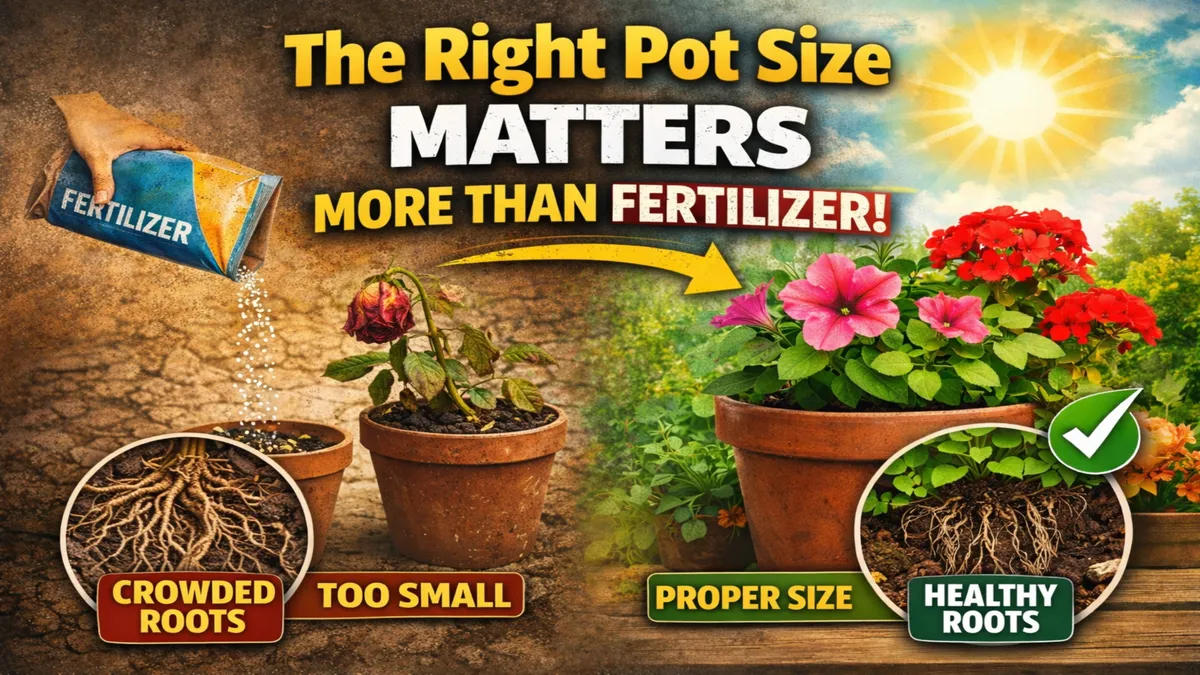
The Right Pot Size Matters More Than Fertilizer
Many people focus more on fertilizing their plants than checking the pot size. Even the best fertilizer cannot compensate for root crowding in a small container.
Choosing a slightly larger pot with good drainage helps more than adding extra nutrients. Healthy blooms always follow healthy roots.
Some Common Mistakes People Repeatedly Make
Most flower failures are due to recurring habits that seem harmless. But these mistakes are common and understandable, especially for new plant enthusiasts.
Learning to avoid them saves money, time, and emotional energy, and helps build confidence in successfully growing flowers at home.
Choosing Flowers Based Solely on Appearance
People often buy flowering plants because they look beautiful at the store. Nursery plants are grown in ideal conditions that cannot be replicated at home.
Without checking whether a flower is suited for container life, some people unknowingly bring home plants that are already destined to fail in containers.
Keeping Outdoor Flowers Indoors
Some flowers require full sun and open air but are kept indoors near windows. The light coming through the glass is weaker and doesn't support proper blooming.
This leads to leggy growth, leaf drop, and a lack of flowers, causing people to blame themselves instead of understanding the plant's natural needs.
My Own Experience and Conclusion
Not every flower is meant for a pot, and that's perfectly fine. Failure doesn't mean you're bad at gardening. It simply means that particular plant wasn't right for you.