

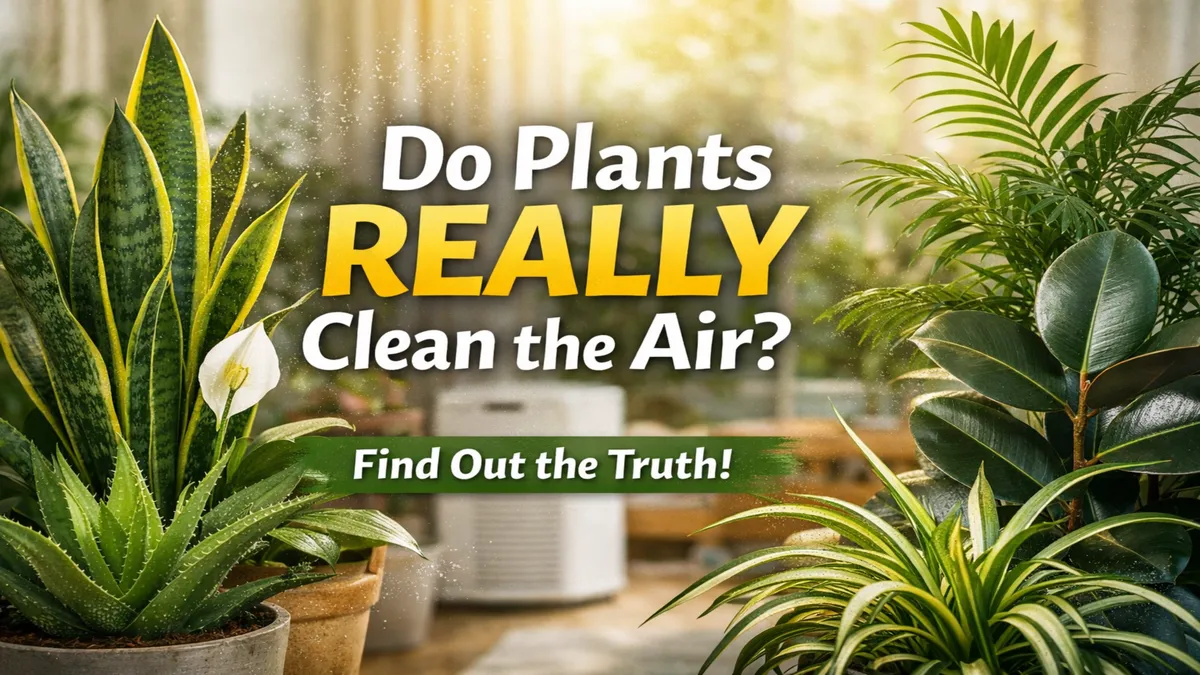
If you need fresh air at home,
You also need something natural.
Related News

No machines. No noise. No chemicals.
So, indoor plants seem like the perfect answer. But do they really purify the air? And which ones actually help?
Let's clear up this confusion simply.
1.Snake Plant (Sansevieria)
Dracaena trifasciata, commonly known as the snake plant, is often listed as a top air purifier.
A famous 1989 NASA study showed that certain plants can remove indoor pollutants like formaldehyde and benzene in a controlled lab chamber.
The snake plant was one of them.
Science-Based Benefits
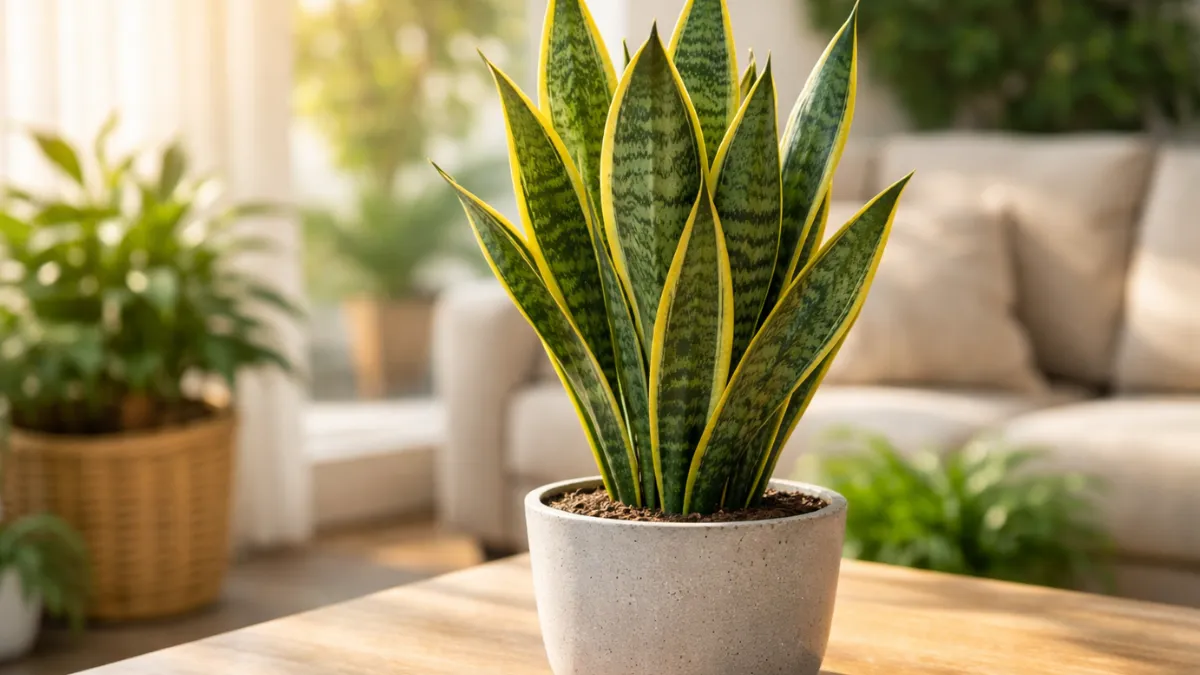
It can absorb small amounts of indoor toxins through its leaves and roots. Unlike most plants, it also releases oxygen at night.
In my own experience, this is one of the hardiest plants. I've kept it in a dimly lit corner of my bedroom for two years, and it still looks strong.
True Drawback
Lab tests were conducted in a sealed chamber. In real homes, airflow makes all the difference. So a plant can't replace an air purifier.
Consider it a support, not a solution.
2.Peace Lily
Spathiphyllum is another plant highlighted in a NASA study.
It's known to remove mold spores and certain chemicals from the air.
Science-Based Benefits
Its large leaves help trap dust particles. Soil microbes also play a role in breaking down pollutants.
I once placed a peace lily near a slightly humid window. Within a few weeks, the musty smell began to subside. Not completely gone, but it became milder.
The Mistake I Made
I overwatered it, thinking, "More water = more freshness." This led to root rot.
Peace lilies need moist soil, not wet soil.
3.Areca Palm
Dypsis lutescens is often called a natural humidifier.
Science-Based Benefits
It releases moisture into the air, which evaporates into the air. This can help with dry indoor environments.
In winter, when indoor air feels dry and itchy, I've noticed that rooms with areca palms feel a little more comfortable.
One True Drawback
To significantly increase humidity, you'll need several large plants. A small pot can't transform an entire room.
4.Spider Plant
Chlorophytum comosum is easy for beginners and grows quickly.
Science-Based Benefits
Controlled studies have shown it reduces carbon monoxide and xylene in closed spaces.
Its long, curved leaves also trap fine dust.
In my home office, I've noticed more dust accumulating on the leaves than on nearby shelves. This is a small but visible sign.
Why It's Practical
It's easy to grow small plants. You can grow it without spending a lot of money.
5.Aloe Vera
Aloe vera is more than just a skin remedy plant.
Science-Based Benefits
It was also part of NASA's Clean Air Study. It can absorb small amounts of formaldehyde and benzene.
It prefers bright light, so it works well near sunny windows.
Important Reality Check
Plants slowly clean the air. Research shows that to equal the power of a mechanical air purifier, you'd need dozens of plants in a small room.
So don't expect dramatic results overnight.
6.Rubber Plant
Ficus elastica has thick, shiny leaves.
Science-Based Benefits
Its broad leaves can trap airborne particles. It's also known to withstand indoor pollutants better than many plants.
I once placed a rubber plant near a busy balcony door facing the street. Visible dust would accumulate on the leaves, which I would wipe down every week.
That simple cleaning felt good. The plant acted as a natural dust catcher.
What Science Really Says About Air-Purifying Plants
A 1989 NASA study proved that plants can remove toxins in a closed environment.
But modern research shows that in normal homes with open windows and air circulation, the effect is minimal.
Plants help.
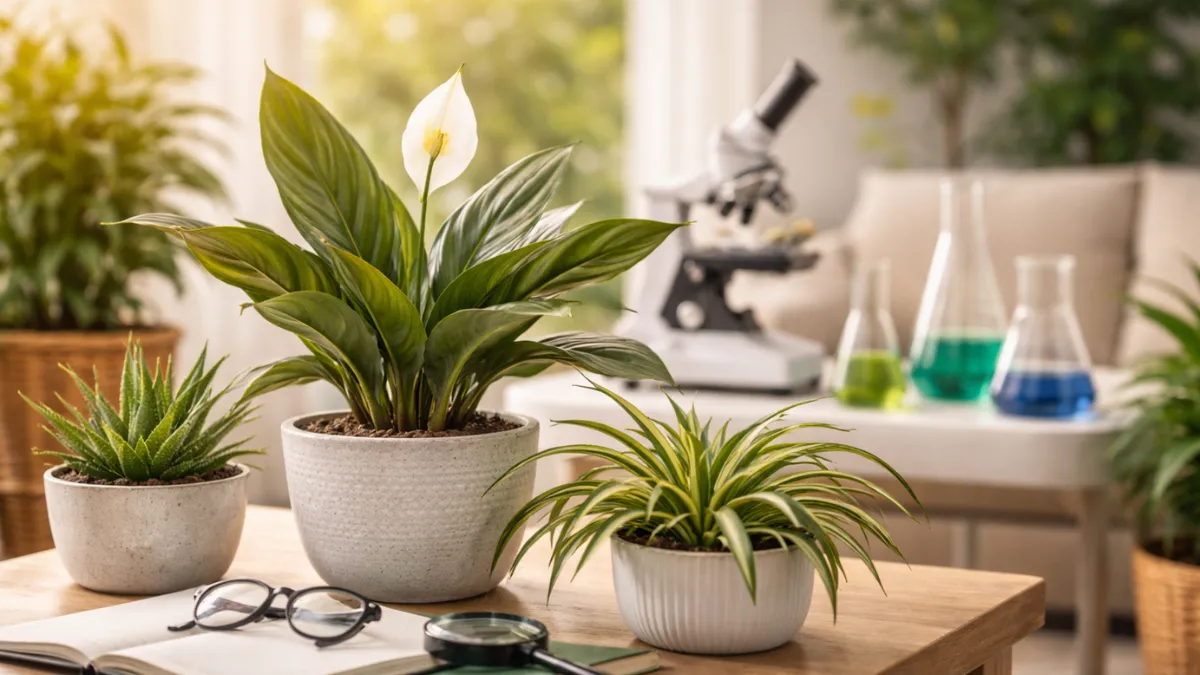
But they're not miracle machines.
They help improve air quality in small ways:
• Blocking dust
• Increasing humidity
• Supporting beneficial soil microbes
• Improving psychological comfort
And mental comfort matters more than we think.
Psychological Benefits (Often Overlooked)
Clean air isn't just about chemicals.
Studies show that indoor plants reduce stress and improve focus.
When you see greenery, your mind relaxes. You breathe more slowly. You feel calmer.
In my experience, rooms with plants simply feel fresher—even before any scientific measurements.
That feeling itself improves the way you perceive your place.
Related articles:
Best Air Purifying Indoor Plants (Science-Based List 2026)
Related articles:
Air Purifying Indoor Plants People Are Loving in 2025
Related articles:
5 Indoor Plants That Improve Air Quality Better Than Air Purifiers
Final Thoughts : What Should You Expect?
If you need strong air filtration for allergies or pollution, consider a HEPA air purifier.
If you need natural support, better humidity balance, less dust, and a quieter home—indoor plants definitely help.
Just keep your expectations realistic.
Start with 2-3 easy plants like a snake plant, spider plant, or peace lily.
Look at your space.
Pay attention to how it feels.
This is the real benefit that most people overlook.
Written from real experience caring for indoor plants for IndoorPlantify.