


Creating a calming atmosphere in my bedroom has significantly improved my sleep quality. While plants aren't magical oxygen machines, the right ones can improve air freshness, humidity balance, and mental relaxation. Many readers ask if greenery really helps at night. In this 2026 guide, I'll share science-based options, real-life experiences, and practical advice to help you choose the best bedroom plants for oxygen and better sleep.
Quick Answer:
Related News



The best bedroom plants for oxygen and better sleep include:
• Snake Plant
• Aloe Vera
• Peace Lily
• Areca Palm
• Spider Plant
Some of these release oxygen at night, while others help with humidity and mental relaxation.
Do Bedroom Plants Really Increase Oxygen at Night?
One of the most common questions is, do bedroom plants really produce oxygen at night?
Most plants release oxygen through photosynthesis during the day and respire at night. However, some plants, like the snake plant and aloe vera, use a process called CAM photosynthesis, which causes them to release less oxygen at night.
If you're wondering how much oxygen indoor plants provide in the bedroom, the answer is simple: not enough to replace ventilation. Their effect is mild but supportive.

The purpose is clear: plants improve the quality of the sleeping environment, not the oxygen level.
1. Snake Plant – A Nighttime Oxygen-Producing Favorite
If someone asks me which plant provides oxygen in the bedroom at night, my first answer is always this.
Why it works:
• CAM photosynthesis (oxygen release at night)
• Very low maintenance
• Withstands low light
• Can withstand irregular watering
In my bedroom, I placed a medium-sized snake plant near the window. And within a week, my room felt fresher every morning. Although this is subjective, the air felt less stuffy.
Limitation : A small plant won't measurably increase oxygen levels.
2. Aloe Vera – Compact and Practical
Many readers searched for whether aloe vera is good for oxygen in the bedroom—and yes, it can be.
Advantages:
• Releases oxygen at night (CAM plant)
• Compact size
• Easy to maintain
• Prefers bright indirect light
• Works especially well in small bedrooms or apartments.
What didn't work for me : Placing aloe vera in a dark corner causes it to grow weak and stunted. It needs light to stay healthy.
3. Peace Lily – For Clean, Calming Air
If you're researching the best air-purifying plants for sleeping in the bedroom, the peace lily often comes up.
Why people love it:
• Helps improve indoor air quality
• Slightly increases humidity
• Elegant white flowers
• Grows in medium light
If you sleep in air-conditioned rooms where dryness irritates your throat, a little humidity boost may help.
However, the peace lily doesn't release oxygen at night like CAM plants.
4. Areca Palm – Natural Humidity Booster
Many people ask which plant naturally increases bedroom humidity. The areca palm is one of the best options.
Because it:
• Adds moisture to dry air
• Creates a soft tropical feel
• Makes a large bedroom feel lively
I once used an areca palm in the winter when indoor heating made the air dry. And after just two weeks, my throat dryness significantly reduced.
Limitations : Requires space and mild sunlight.
5. Spider Plant – Easy and Beginner-Friendly
If you want something easy and are asking what the easiest bedroom plant is for better sleep, the spider plant may be ideal for you.
Advantages:
• Very low-maintenance
• Withstands indirect light
• Good option for beginners
• Safe for most homes
It doesn't produce much oxygen at night, but its psychological calming effect is real. Seeing a green, live plant near your bed can reduce stress.
Comparison Table – Best Bedroom Plants 2026
| Plant | Night Oxygen | Low Maintenance | Best For | Light Needs |
|---|---|---|---|---|
| Snake Plant | Yes | Very Easy | Small rooms | Low to bright indirect |
| Aloe Vera | Yes | Easy | Sunny bedrooms | Bright indirect |
| Peace Lily | No | Moderate | Air freshness | Medium light |
| Areca Palm | No | Moderate | Humidity boost | Bright indirect |
| Spider Plant | Minimal | Very Easy | Beginners | Indirect light |
Can Plants Really Help You Sleep Better?
I often get questions from people asking if indoor plants can naturally improve sleep quality.
Actually, these things help:
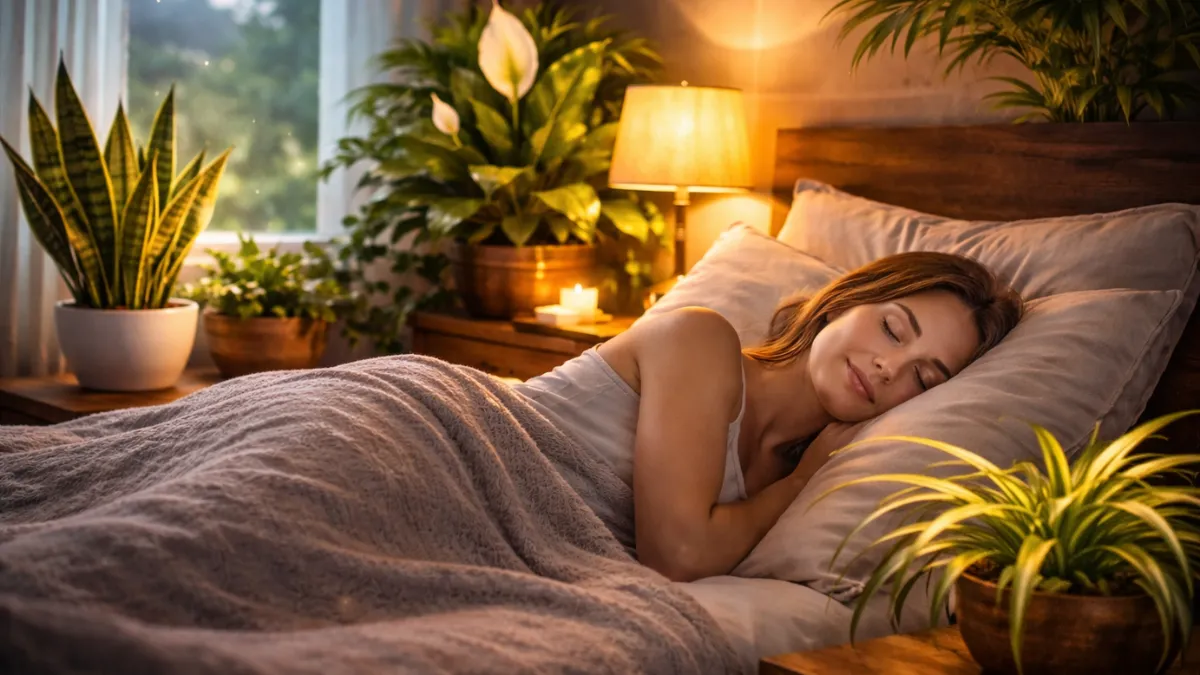
• Exposure to greenery reduces stress
• Improves the aesthetics of the room
• Balances the air a little
• Psychological relaxation
According to sleep environment studies, a calm environment helps promote deep sleep cycles. Plants play a supportive role, not a medical one.
How many plants should you keep in your bedroom?
Many readers ask how many plants are safe to keep in the bedroom at night.
For most average-sized bedrooms:
• 2–4 medium plants are ideal.
• Avoid overcrowding.
• Ensure proper ventilation.
• Keep plants healthy to avoid mold problems.
Having too many plants in a poorly ventilated room can increase humidity.
Where should you place bedroom plants?
If you're wondering where to place plants for optimal oxygenation in the bedroom, here's what works best:
• Near a window with direct light.
• On a bedside table (small plants only).
• In a corner with filtered sunlight.
• Avoid direct airflow.
• Avoid placing large plants too close to your head.
Final Thoughts – What Really Matters in 2026
If you're looking for the best bedroom plants for oxygen and better sleep in 2026, focus on realistic expectations.
Plants:
• Help with relaxation
• Improve the feel of the room
• Slightly freshen the air
• Help balance the air
These are never a substitute for ventilation, air purifiers, or medical treatment for sleep problems.
In my own experience, combining a snake plant with improved airflow made the biggest difference. Complicating things further with multiple plants didn't improve the results.
If you'd like a more in-depth comparison, check out:
Best Bedroom Plants for Oxygen and Air Quality (Science-Backed Guide)
Best Bedroom Plants for Oxygen & Better Sleep (Expert Picks)
Do Indoor Plants Give Oxygen at Night? Myth vs Fact Explained
Written for IndoorPlantify from real experience caring for indoor plants.