

Many people suffering from asthma seek ways to make the air inside their homes cleaner and easier to breathe. This is where indoor plants often come into the picture. Certain plants can help reduce indoor air pollution, improve humidity levels, and create a healthier living environment.
However, there is also some confusion surrounding this topic. Some people believe that plants can cure asthma permanently, while others feel that indoor plants are actually detrimental to asthma sufferers. The truth lies somewhere between these two extremes.
Related News

Based on my own personal experience of keeping plants at home, I have observed that certain low-pollen plants do indeed improve the freshness of the indoor air—particularly in enclosed rooms. However, it is crucial to understand that plants are not a medical cure for asthma. They can merely assist in making the indoor environment healthier.
This guide explores the best indoor plants for asthma sufferers, identifying which plants are safer for those with respiratory issues and which ones may potentially aggravate allergies.
Quick Answers
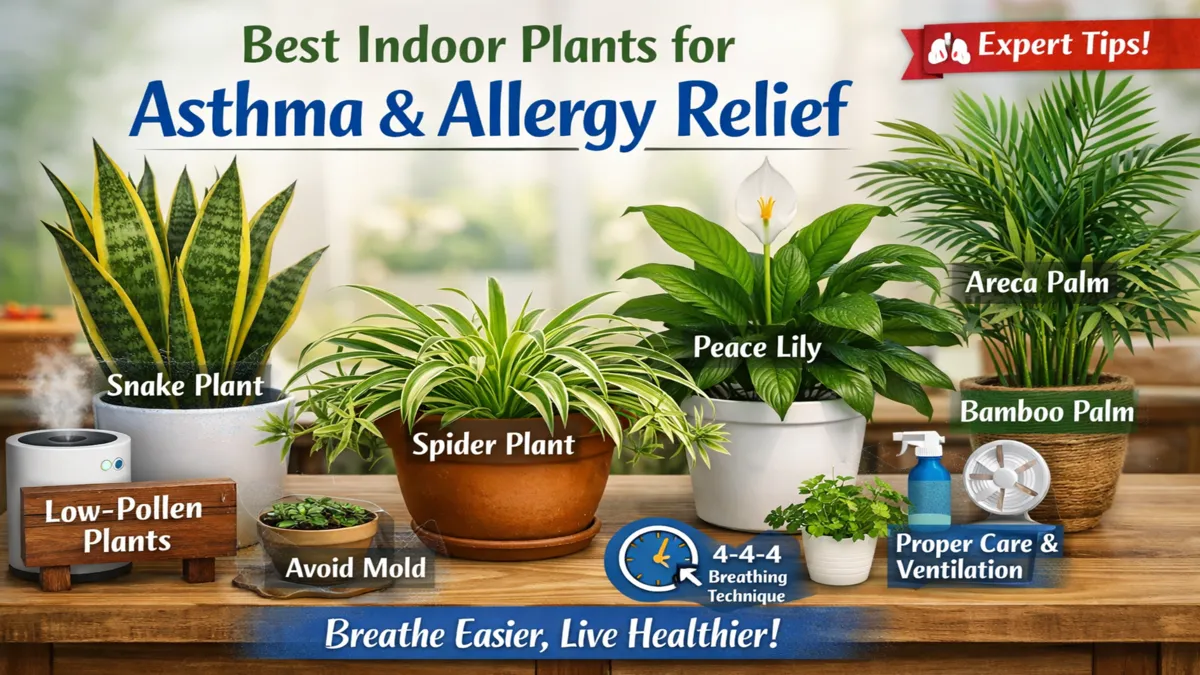
Some indoor plants that can help create a better breathing environment include:
• Snake Plant
• Spider Plant
• Peace Lily
• Areca Palm
• Bamboo Palm
These plants are renowned for their low pollen production and their ability to purify the air qualities that can, in some instances, provide relief to individuals suffering from asthma or allergies.
The Snake Plant – One of the Best Plants for Asthma Sufferers
The Snake Plant (Sansevieria) is frequently recommended to those who are concerned about the quality of the air inside their homes.
Why this can help:
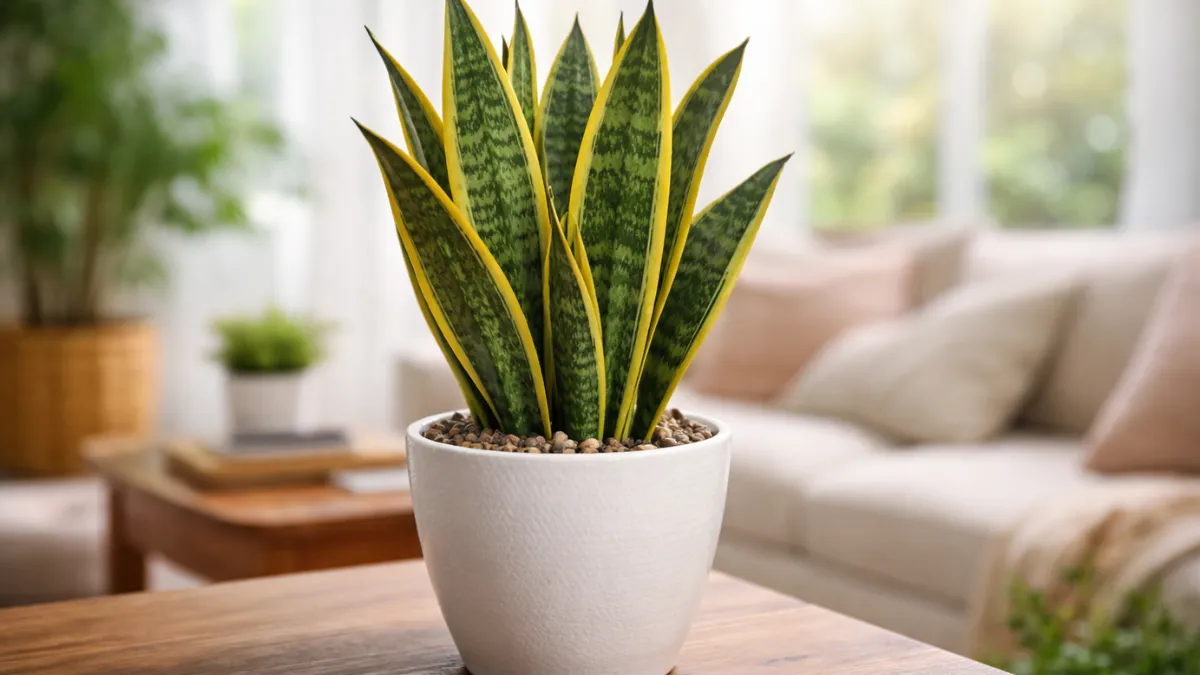
• Releases oxygen at night
• Produces very little pollen
• It is very easy to care for
• Helps remove certain indoor pollutants
In my own home, a Snake Plant survived even in a corner where most other plants failed to thrive. It required almost no maintenance, yet it made the room feel much fresher.
Because it produces very little airborne pollen indoors, it is considered one of the safer plant choices for people suffering from allergies.
Spider Plant – Safe and Easy for Beginners
The Spider Plant is another excellent option for people with respiratory issues.
Benefits:
• Non-toxic and safe to have around pets
• Very low allergy risk
• Known to absorb certain indoor pollutants
• Slightly improves humidity levels
Spider Plants also grow rapidly and produce small new plantlets.
One mistake I made early on was overwatering my Spider Plant, which led to mold growth in the soil. Mold can exacerbate asthma symptoms, so ensuring proper drainage in the soil is crucial.
Peace Lily – A Popular Air-Purifying Plant
The Peace Lily is widely recognized through controlled studies for its ability to help reduce indoor pollutants such as benzene and formaldehyde.
Why some asthma sufferers prefer it:
• Helps increase indoor humidity
• Absorbs certain toxic substances from the air
• Requires moderate lighting
However, it does have one significant drawback.
When the Peace Lily blooms, it releases pollen, which can trigger allergic reactions in sensitive individuals. If someone has a severe sensitivity to pollen, removing the flowers can help reduce this risk.
Are Indoor Plants Bad for Asthma?
Indoor plants are not inherently harmful, but certain conditions can make them problematic.
Potential Issues
1. Mold Growth in Soil
Overwatering can lead to the proliferation of mold spores, which may exacerbate asthma symptoms.
2. High-Pollen Plants
Some flowering plants release pollen that can irritate sensitive lungs.
3. Strong Fragrances
Plants with very strong scents can cause breathing difficulties for some individuals.
The key takeaway is to choose low-pollen plants and keep the soil clean and well-maintained.
Also Read: Spider Plant vs Snake Plant for Asthma : Which Is Safer?
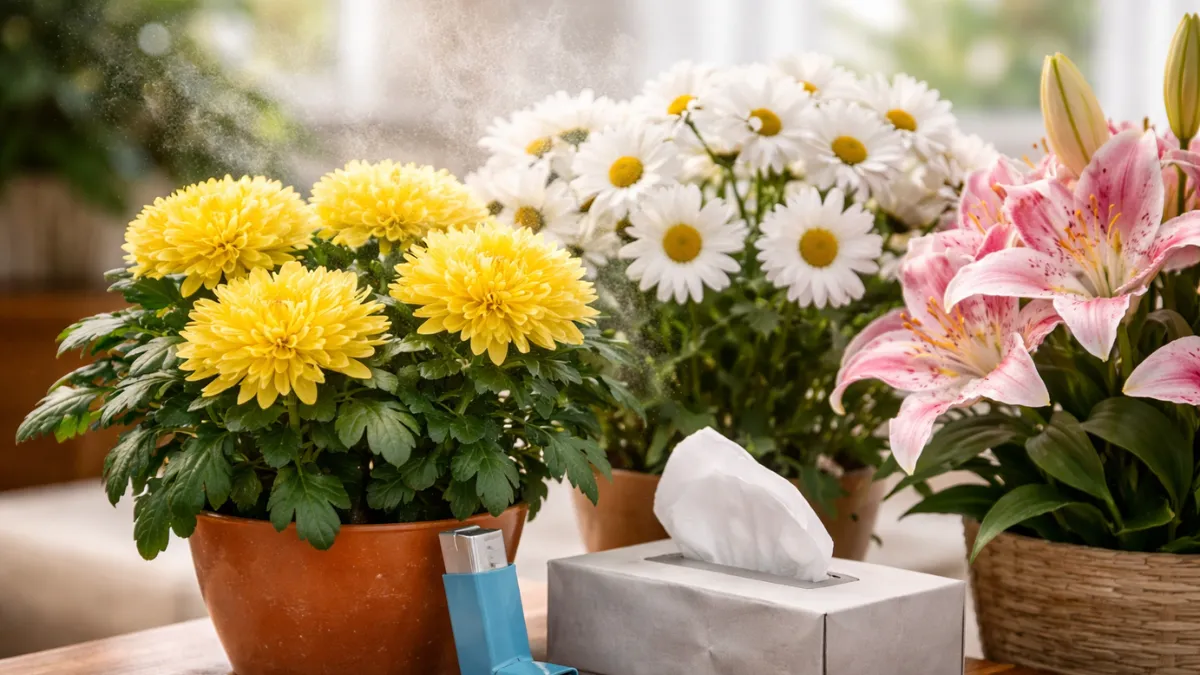
Plants That Can Aggravate Asthma
Certain plants can worsen symptoms for people suffering from asthma or allergies.
Examples include:
• Chrysanthemums
• Plants in the Daisy family
• Strongly scented flowers
• Plants that release high levels of pollen
These plants can increase the concentration of airborne allergens, particularly in enclosed indoor spaces.
If someone suffers from severe asthma, it is safer to opt for non-flowering foliage plants.
The Best Indoor Plants for Allergy Sufferers
In addition to Snake Plants and Spider Plants, several other plants are considered safer choices for households with allergy concerns.
Good Choices:
Areca Palm = Improves humidity levels
Bamboo Palm = A gentle air-purifying plant
Rubber Plant = Its large leaves trap dust particles
Boston Fern = Increases moisture in the air
Higher humidity can help some people who experience breathing difficulties, as dry air can irritate the airways.
Fact Check: Can Plants Cure Asthma?
There is no scientific evidence that plants can permanently cure asthma.
Asthma is a chronic respiratory condition that typically requires proper medical treatment.
Plants can offer assistance in the following ways:
• By slightly improving indoor air quality
• By increasing humidity
• By reducing certain pollutants
However, they should be viewed not as a cure, but rather as lifestyle aids.
What is the 4-4-4 Rule for Asthma?
The 4-4-4 breathing rule is a simple breathing technique sometimes recommended to help calm breathing during mild asthma flare-ups.
It generally involves the following steps:
• Inhale slowly for 4 seconds
• Hold your breath for 4 seconds
• Exhale slowly for 4 seconds
While this technique can provide breathing relief, it is not a substitute for prescribed asthma medication.
Practical Tips for Asthma-Friendly Indoor Plants
If you wish to keep plants despite having asthma, these measures can help minimize risks:
1. Avoid Overwatering
Damp soil encourages the growth of mold.
2. Choose Low-Pollen Plants
Leafy plants are generally a safer choice.
3. Keep Plant Leaves Clean
Accumulated dust can contaminate the indoor air.
4. Maintain Proper Ventilation
The circulation of fresh air prevents allergy-causing elements from accumulating.
5. Use High-Quality Potting Soil
Healthy soil minimizes fungal growth.
Personal Experience
After keeping indoor plants for many years, I have found that rooms containing Snake Plants and Spider Plants feel less dry especially during the winter months, when indoor air tends to become arid.
However, I also learned a crucial lesson: improper plant care can lead to mold growth, which may exacerbate respiratory difficulties. Proper care is essential.
Conclusion
While indoor plants cannot cure asthma, certain plants can help make the home environment cleaner and more comfortable. The key lies in selecting low-pollen plants and ensuring they receive proper care.
Plants such as the Snake Plant, Spider Plant, and Peace Lily are among the most suitable choices for households with asthma sufferers.
When utilized correctly, these indoor plants not only improve air quality but also transform your living space into a serene and lush green sanctuary.
Written from real indoor plant care experience for IndoorPlantify.