


In our busy Indian homes, getting a good night's sleep and a calm mind is becoming increasingly difficult. Mobile screens, stress, and polluted air are silently affecting our health every day. From my own experience at home, I've seen that the right indoor plants can make nights more restful and days less stressful. Some plants help you relax, some improve air quality, and some naturally do both. This 2026 guide highlights the best indoor plants that actually work in real homes.
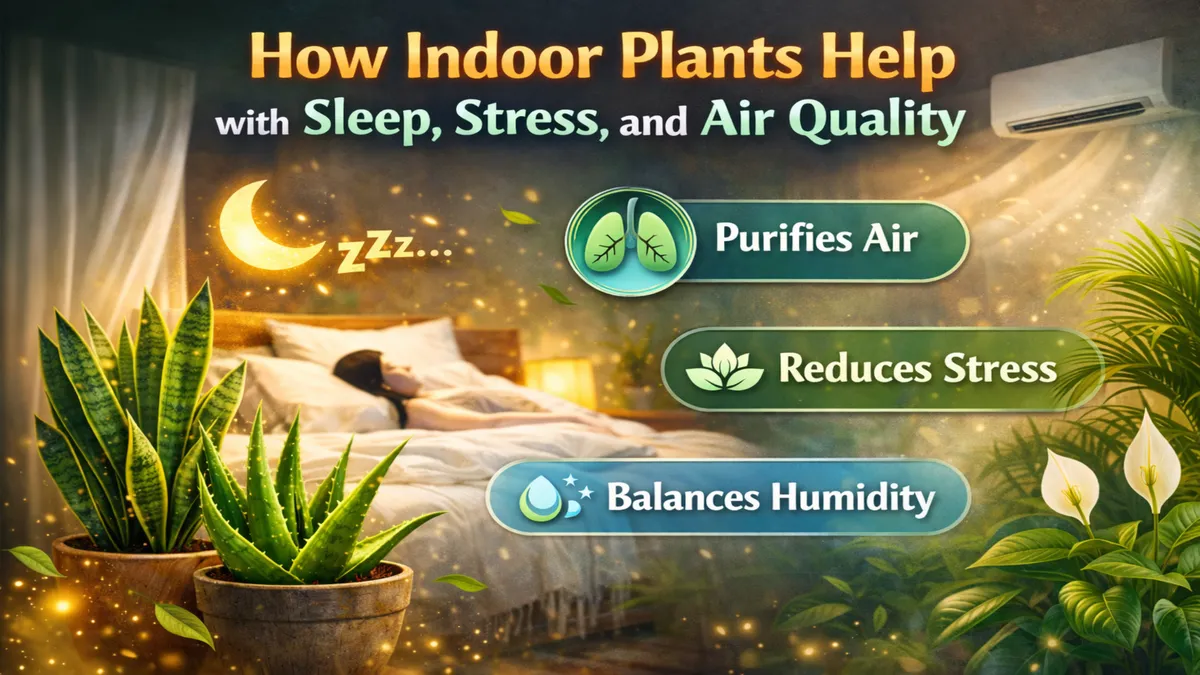
How Indoor Plants Help with Sleep, Stress, and Air Quality
Indoor plants often help improve the air you breathe by slowly absorbing toxins and releasing oxygen. But more importantly, their presence is calming. Their green leaves, soft textures, and natural growth reduce anxiety after long workdays.
Related News



In Indian homes, plants also help balance the dry air caused by fans and air conditioners. When placed in the right spot, they effortlessly create a peaceful corner that promotes better sleep and emotional well-being.
Best Indoor Plants for Better Sleep
Snake Plant (Sansevieria)
The snake plant is considered one of the best bedroom plants, and I've used it myself. It's unique because it releases oxygen at night, unlike most other plants. This makes the room feel fresher while you sleep. It also thrives in low light and with infrequent watering, making it perfect for busy people.
Lavender Plant (Indoor Variety)
Lavender is known for its calming fragrance. When placed near a window, it helps reduce anxiety and improve sleep quality. However, I recommend using a small pot, as the strong scent can be overwhelming in very small rooms.
Best Indoor Plants for Stress Reduction
Areca Palm
The Areca Palm gives any room a soft, calming feel. Its long, green leaves help reduce mental fatigue. In my living room, it transformed the entire atmosphere in just a few weeks. This plant also adds a touch of humidity, which is nice during the summer months.
Peace Lily
The Peace Lily is considered very effective for stress reduction. Its white flowers provide a peaceful look, and the plant clearly indicates when it needs water. Watching it recover after watering gives a strange sense of peace and accomplishment.
The Best Indoor Plants for Clean Air in Indian Homes
Spider Plant
The Spider Plant is easy to grow and safe for homes with children and pets. It helps reduce indoor pollutants from furniture and cleaning products. I keep mine in hanging pots near windows for the best results.
Rubber Plant
The Rubber Plant's large leaves trap dust and improve air quality. It's suitable for medium to large rooms. Regular cleaning of the leaves is necessary, but the plant itself is hardy and long-lasting.
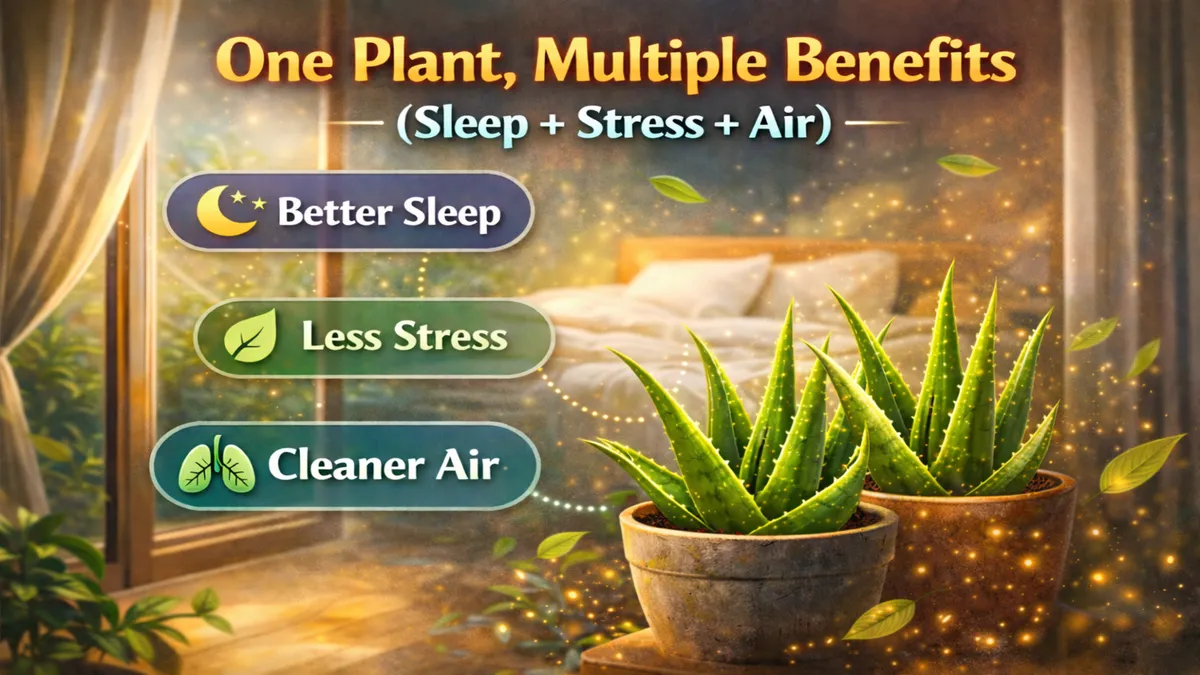
One Plant, Multiple Benefits (Sleep + Stress + Air)
Aloe Vera
Many people believe that Aloe Vera is only for skincare. But that's not true; it improves air quality and provides a clean, fresh feeling at night. I keep one plant near my bedroom window. It needs sunlight but very little water. [Image here – Aloe vera and snake plant near a window]
Easy Care Comparison Table (Helps you choose easily)
| Plant Name | Light Needed | Watering | Best Room | Main Benefit |
|---|---|---|---|---|
| Snake Plant | Low | Very Low | Bedroom | Better sleep |
| Peace Lily | Medium | Medium | Living room | Stress relief |
| Areca Palm | Bright | Regular | Hall/Office | Calm + air |
| Spider Plant | Medium | Low | Balcony/Window | Clean air |
| Aloe Vera | Bright | Very Low | Bedroom window | Air + calm |
Common Mistakes People Make with Indoor Plants
Many people overwater their plants, thinking it will help with growth. But this is the biggest mistake, which I've learned from experience. Too much water leads to root rot and stresses the plant.
Another mistake is placing plants in dark corners without natural light. Even low-light plants need some sunlight to stay healthy and thrive.
Where to Place Plants for Maximum Benefits
Always keep plants that are good for sleep, such as snake plants and aloe vera, in the bedroom, but not too close to your pillow. Stress-reducing plants work best where you sit and relax, such as in the living room or a corner of your work-from-home office.
Never overcrowd plants in one area. Give each plant space to breathe and grow naturally.
Related Articles
Related Article
[Can Indoor Plants Recover After Long AC Exposure?]
Related Article
[Fertilizing Indoor Plants During Slow Growth Phase : What Works]
Related Article
[Why Indoor Plants Look Healthy but Stay Dormant]
Final Tips
Always remember that indoor plants help gradually, not magically. Give them time. Choose plants based on your room's lighting and your daily routine, not on trends. Even two well-placed plants can improve sleep, mood, and air quality. In my experience, caring for plants is also calming for the mind. Always start small, be consistent, and let nature do its work.