

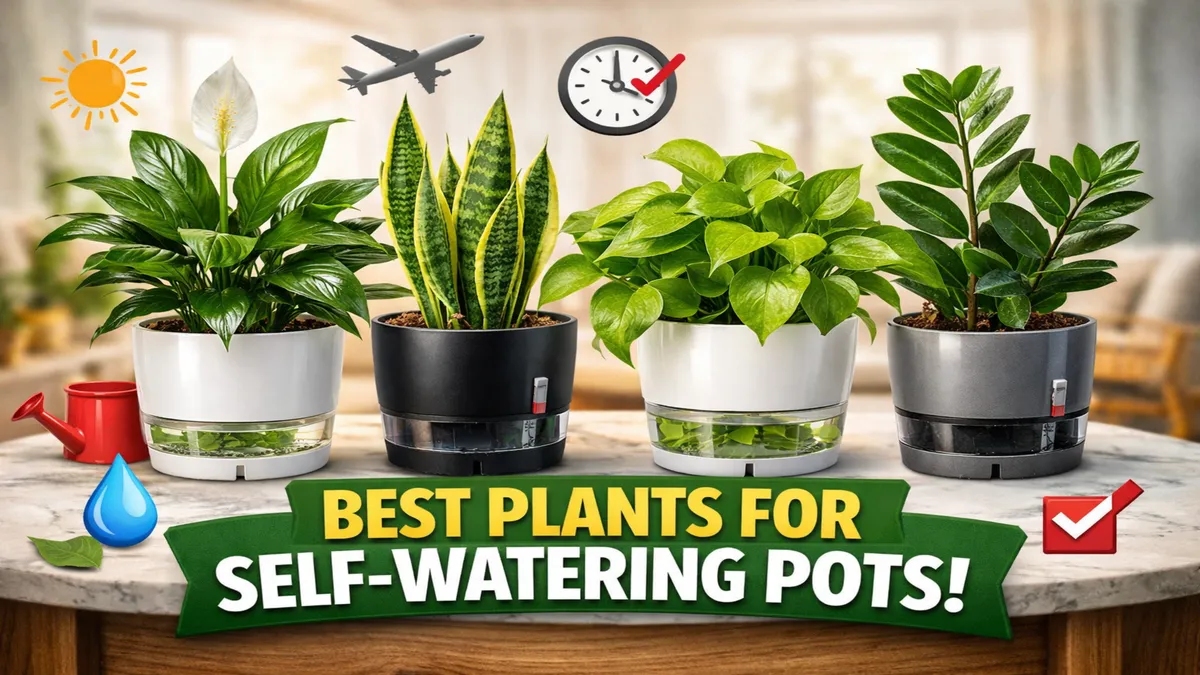
Indoor gardening becomes easy and enjoyable when your plants take care of themselves. Self-watering pots are incredibly helpful for busy households where daily watering isn't always possible. They store water at the bottom and gradually release moisture to the soil, keeping plants fresh, healthy, and stress-free. If you tend to forget to water, travel frequently, or simply want low-maintenance plants, self-watering pots are a smart choice. Let's explore which plants thrive in them and how to care for them easily.
Best Plants to Grow in Self-Watering Pots at Home
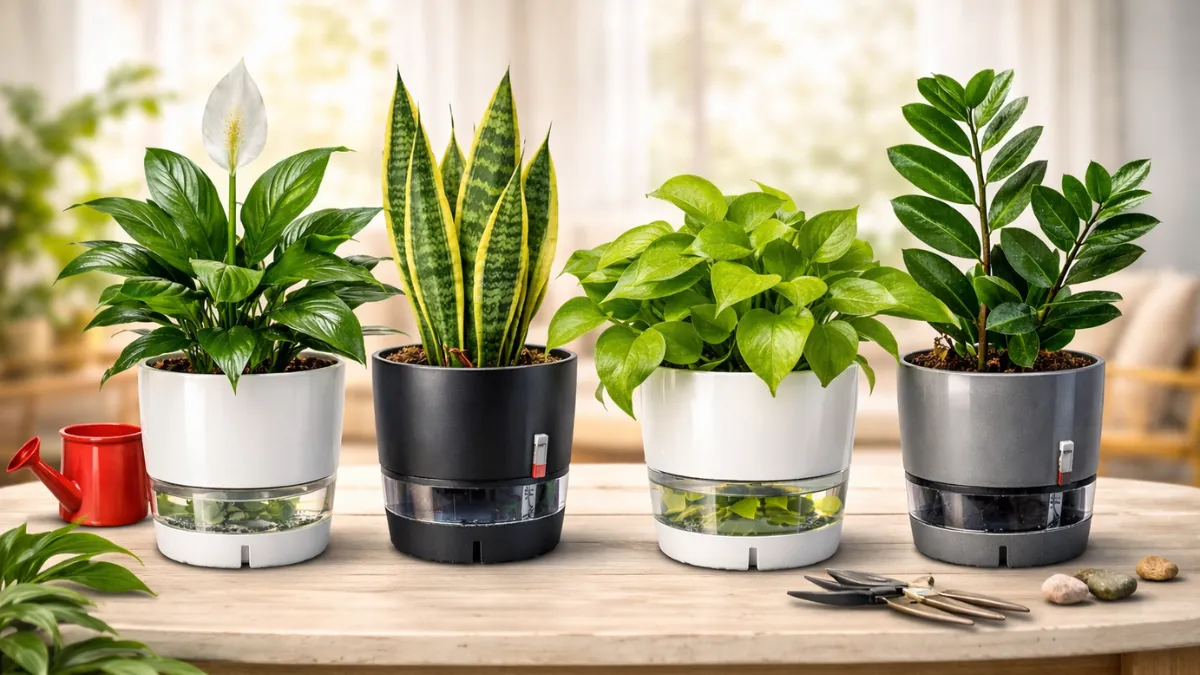
Self-watering pots are perfect for homes with fluctuating sunlight, busy schedules, and inconsistent plant care routines. Plants like Peace Lilies, Snake Plants, Pothos, and ZZ Plants thrive in these pots because they prefer consistent moisture and adapt well to indoor environments.
Related News


These plants stay healthy even if you forget to water them for a few days. They receive consistent moisture, eliminating the risk of sudden drying out and the stress of overwatering. This makes them ideal for apartments, offices, bedrooms, and living rooms.
Why Self-Watering Pots Make Indoor Gardening Easy
Self-watering pots reduce plant stress, save time, and give beginners confidence in growing plants at home. Because the roots only absorb the water they need, plants are less likely to rot and stay happy and vibrant for longer.
Top Indoor Plants for Self-Watering Pots
1. Peace Lily (Spathiphyllum)
Peace Lilies prefer consistently moist soil, making a self-watering pot ideal for them. It produces beautiful white flowers, purifies the air in your home, and stays lush even in medium light. For best growth, place it in the living room, bedroom, or near a window.
2. Snake Plant (Sansevieria)
The snake plant is hardy, slow-growing, and perfect for busy families. It doesn't like too much water, but a self-watering pot keeps it perfectly hydrated without soggy soil. It thrives in low light, saves space, and looks stylish in corners and on tabletops.
3. Money Plant / Pothos
The money plant is considered one of the best plants for beginners in India. This is because it grows quickly, tolerates variations in watering well, and stays green in almost any room. In a self-watering pot, its roots stay healthy, and the leaves remain vibrant without frequent attention.
4. ZZ Plant
The ZZ plant is known for its resilience. It's perfect for offices, rental homes, and places where watering isn't regular. In a self-watering pot, it stays fresh, doesn't dry out quickly, and continues to grow slowly with minimal effort.
Easy Care Tips to Follow
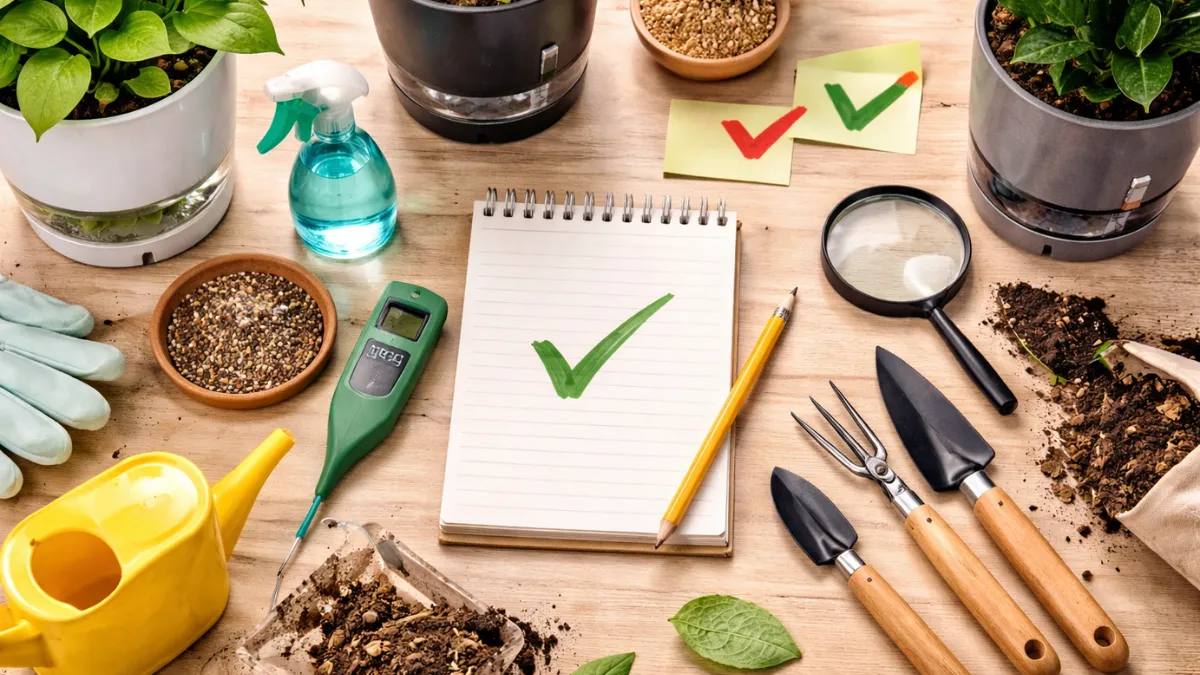
Self-watering pots help, but basic plant care is still necessary. Always use good quality potting soil, not garden soil. Keep the water reservoir full, but don't overfill it. Check the leaves at least once a week. Wipe dust off the leaves to help the plant breathe. Provide indirect sunlight and avoid placing them in very dark corners.
Common Problems and Easy Solutions Table
| Common Mistake | What Happens | Simple Fix |
|---|---|---|
| Filling water too much | Roots may rot | Keep water level below max mark |
| Choosing wrong plants | Plants die quickly | Select drought-tolerant indoor plants |
| Keeping in dark corners | Slow growth | Place near bright indirect light |
| Not cleaning pot base | Fungus may develop | Clean once every few months |
| Expecting miracle growth | Wrong hopes | These pots help, but care is still needed |
Where to Place These Plants in Your Home
Best Rooms for These Plants
Self-watering plants thrive in living rooms, bedrooms, study tables, balconies, and office desks. They handle fans, air-conditioned rooms, and fluctuating light conditions better than regular potted plants.
Practical Everyday Use
They are helpful for working professionals, elderly parents, students, and families who travel frequently. Children can also easily manage them. They bring greenery without the stress or fear of killing the plants.
Common Mistakes People Make with Self-Watering Pots
Many people think they can completely ignore the plants. Some keep the pot constantly filled with water. Others never check for sunlight. These mistakes severely harm the plants. Self-watering pots help, but a little love and minimal care truly keep the plants healthy and long-lasting.
Final Tips Based on My Own Experience
Self-watering pots make indoor gardening peaceful and easy. They save time, reduce watering worries, and help keep plants healthy even in busy Indian households. Choose hardy plants, provide indirect light, refill water when needed, and enjoy the greenery without any stress. With simple care, these plants become a peaceful part of your daily home life, not a burden.