

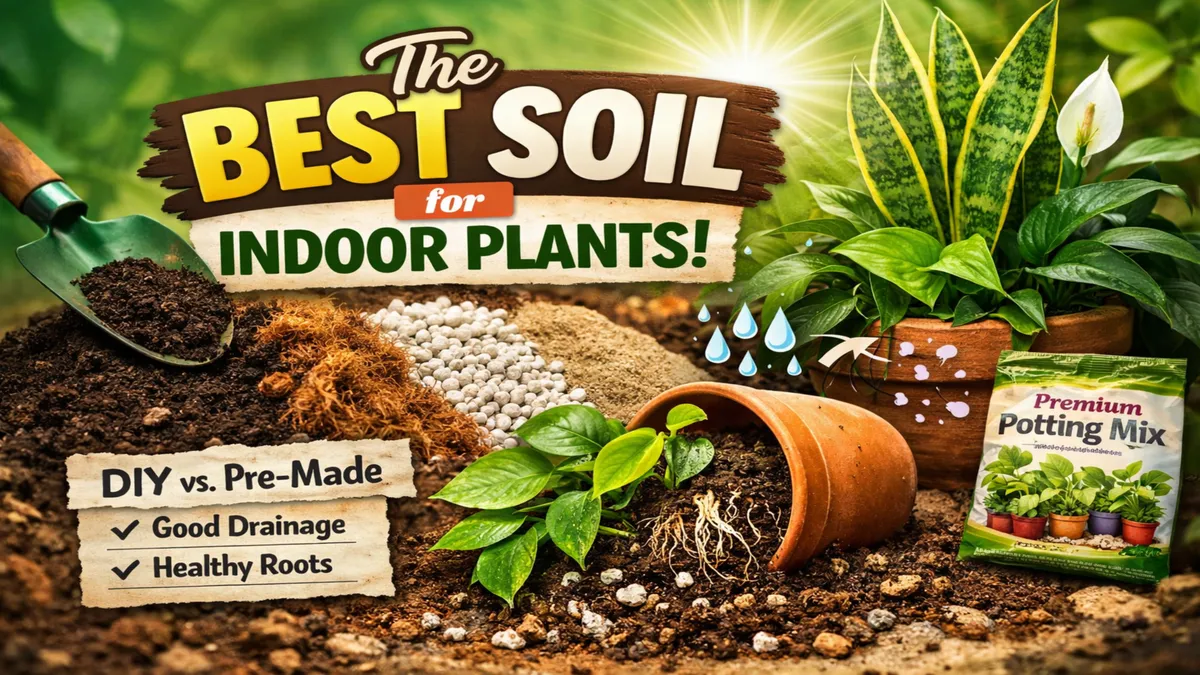
Most indoor plants die not from lack of care, but from the wrong soil. I learned this the hard way after losing several healthy plants in my home. Garden soil alone simply doesn't work in pots. Indoor plants need proper aeration, drainage, and moisture balance. The right soil mix keeps roots healthy and prevents root rot. In this article, I'll share easy DIY soil mixes and reliable ready-made options that work well for most houseplants.
Best Soil Mix for Indoor Plants
Indoor plants live in confined spaces. Their roots can't spread freely like outdoor plants. Because of this, soil quality becomes crucial. Good soil retains moisture but also allows excess water to drain easily. It also allows air to reach the roots.
Related News
Wrong soil leads to problems like root rot, yellowing leaves, fungal diseases, and stunted growth. Many people water correctly, yet their plants still die because the soil stays too wet for too long. The right soil mix naturally solves most indoor plant problems.
Problems with Using Regular Garden Soil Indoors
Garden soil looks fine, but it doesn't work for houseplants. It compacts too much in pots, restricting airflow. Water gets trapped, damaging the roots. It can also introduce pests, fungi, or bacteria into your home.
Indoor plants always need a light, airy soil. Loose soil allows roots to breathe and grow freely. That's why it's essential to mix different components instead of using just soil.
Basic Components of a Good Indoor Soil Mix
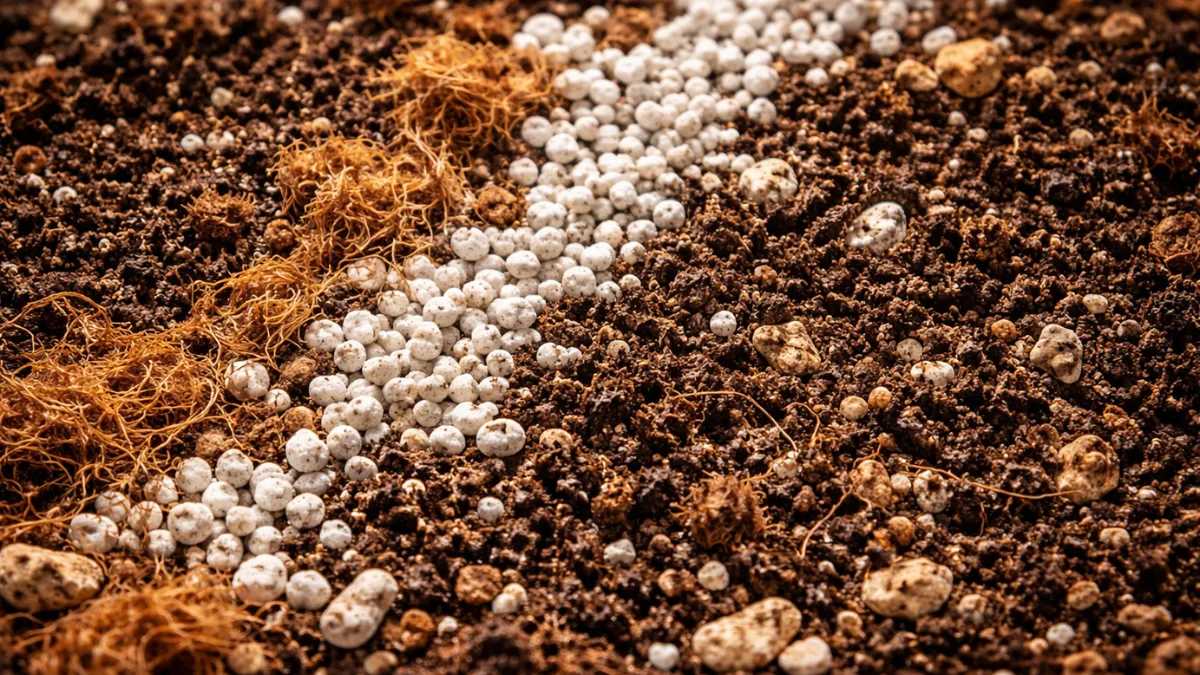
Coco Coir – Moisture Retainer
Coco coir keeps the soil light and retains moisture gradually. It also doesn't compact after drying. It's readily available and perfect for any season. Always wash and soak the coco peat before use.
Compost or Vermicompost – Plant Food
Compost provides nutrients slowly. Vermicompost works even better for indoor plants. Use only well-rotted compost. Fresh compost can burn roots and cause odor problems indoors.
Sand or Perlite – Drainage Aid
Sand improves drainage and prevents waterlogging. River sand is best for indoor plants. Perlite is lighter and cleaner but slightly more expensive. Either option protects the roots.
Best DIY Soil Mix for Indoor Plants
This mix works for most common indoor plants like Money Plant, Snake Plant, Peace Lily, Pothos, and Philodendron.
Easy DIY Mix Ratio:
• 40% cocopeat
• 30% compost or vermicompost
• 20% garden soil
• 10% sand or perlite
Mix everything thoroughly. The soil should be light and crumbly, not sticky. This mix retains moisture while safely draining excess water.
PLANT-SPECIFIC SOIL
SnakePlant : Add extra sand for drainage
MoneyPlant : Use more coco peat
SpiderPlant : Balanced mix works best
Specific DIY Soil Mix Tips for Plants
For Succulents and Cacti
Use less coco peat and more sand. These plants don't like wet roots. Fast drainage is crucial for them.
For Flowering Indoor Plants
Add a little extra compost. Flowering plants need more nutrients, but they still require good drainage.
For Large-Leaved Plants
Increase the amount of coco peat slightly. These plants prefer consistent moisture without waterlogging.
Ready-Made Soil Mixes – When DIY Isn't Possible
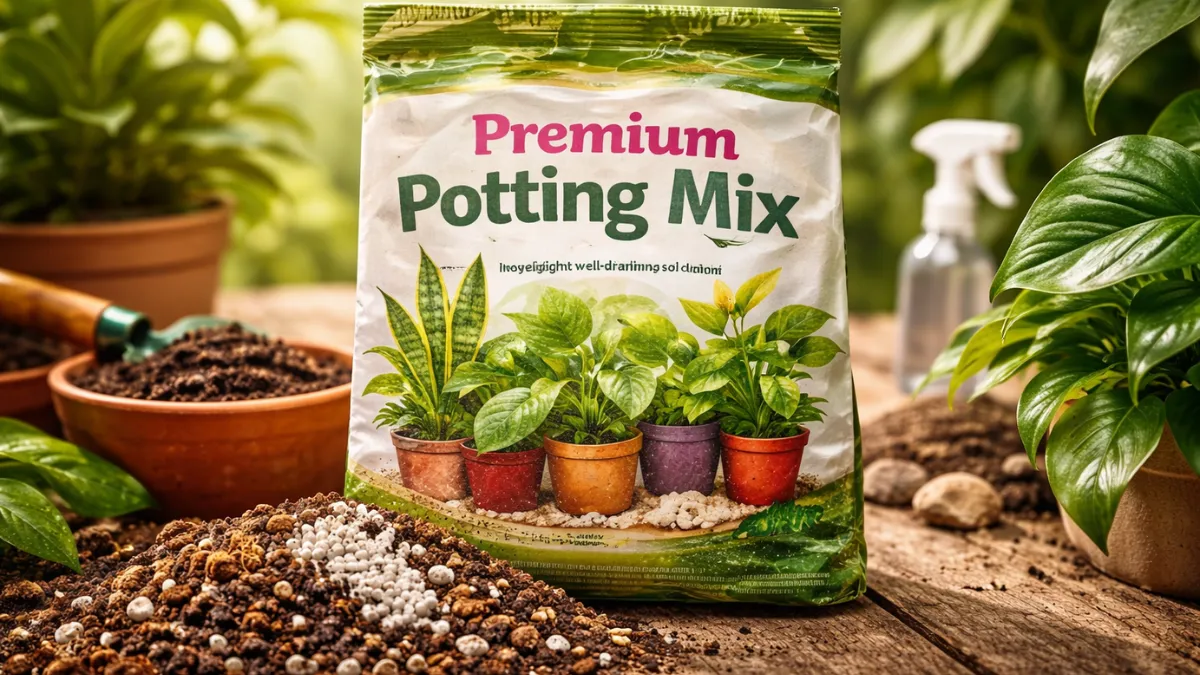
If you lack time or space, ready-made soil mixes are a helpful alternative. Choose potting mixes that are specifically formulated for indoor plants. Avoid cheap mixes that feel heavy or have an unpleasant odor.
Good pre-made mixes usually contain a balanced amount of coco coir, compost, and drainage material. Always check reviews before buying. Even with pre-made soil, adding a little perlite can improve results.
DIY vs. Pre-made Soil Mix Comparison Table
| Feature | DIY Soil Mix | Ready-Made Soil Mix |
|---|---|---|
| Cost | Low | Medium to High |
| Control | Full control | Limited |
| Time Needed | More | Very less |
| Customization | Easy | Not possible |
| Beginner Friendly | Medium | High |
This table helps you choose based on your convenience and plant needs.
Common Soil Mistakes and Easy Solutions
| Mistake | Problem Caused | Simple Fix |
|---|---|---|
| Using only garden soil | Root rot | Add cocopeat and sand |
| Soil staying wet | Fungus and smell | Improve drainage |
| Very dry soil | Leaf curling | Add cocopeat |
| Using fresh compost | Root burn | Use only mature compost |
How often should you change indoor plant soil?
Indoor soil gradually loses its structure. I recommend refreshing the soil every 10-12 months. Repot sooner if the roots are very crowded or water doesn't drain properly. Always repot during mild weather, not during extreme heat or cold.
Related Article:
[Best Indoor Plants for Beginners (No Gardening Experience Needed)]
Related Article:
[Best Indoor Plants for Renters (No Damage, Low Care)]
Related Article:
[Best Bedroom Plants for Oxygen & Better Sleep (Science-Backed)]
Final Tips from Real Home Experience
Good soil makes indoor plant care easy. Don't overthink expensive products. A light, airy mix works best. Always touch the soil before watering. If it feels wet, wait. Healthy roots mean healthy plants. When your soil is right, plants forgive many minor care mistakes and thrive peacefully indoors.