

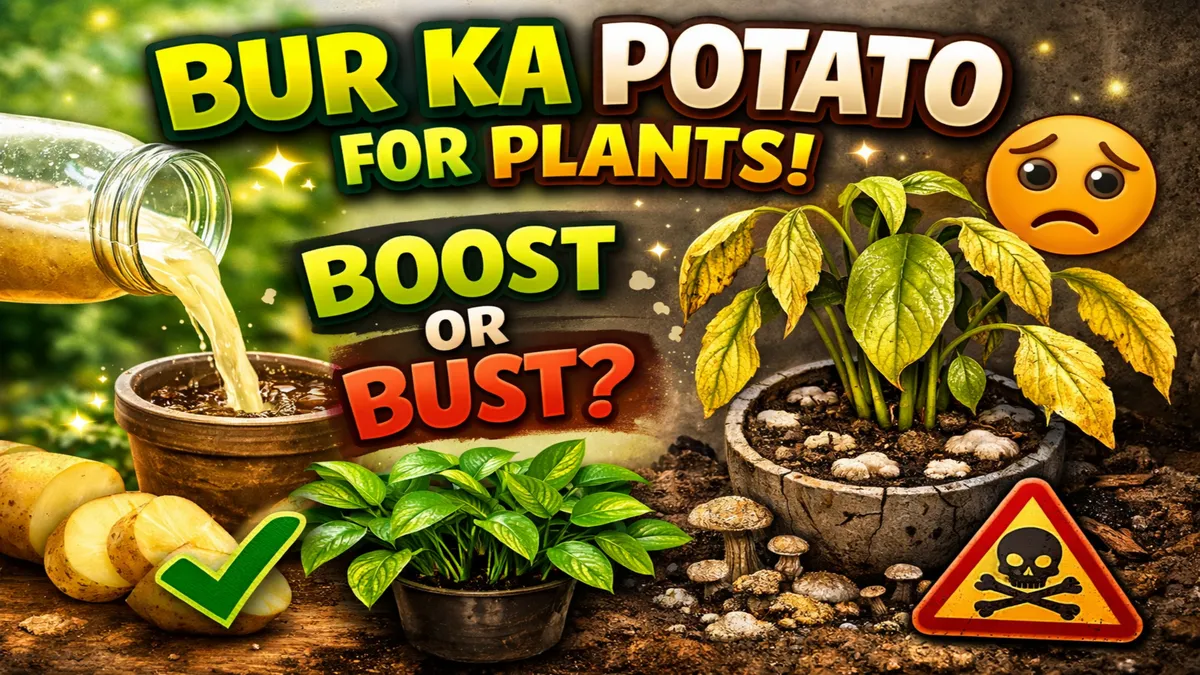
In many households, we love trying easy kitchen tricks for our plants. Some suggest using tea water, others rice water, and now "Bur ka potato" is everywhere. I even tried it once, hoping my wilting plant would suddenly look vibrant again. But plants don't work by magic. They grow slowly, steadily, and only respond to what truly helps them thrive. Let's calmly discuss what "Bur ka potato" actually does.
Quick Answers
Quick Comparison:
Best for low light : Snake Plant
Best for fast growth : Money Plant
Best for beginners : Snake Plant
Best for air purification : Areca Palm
Related News



What is Bur ka potato and why do people use it?
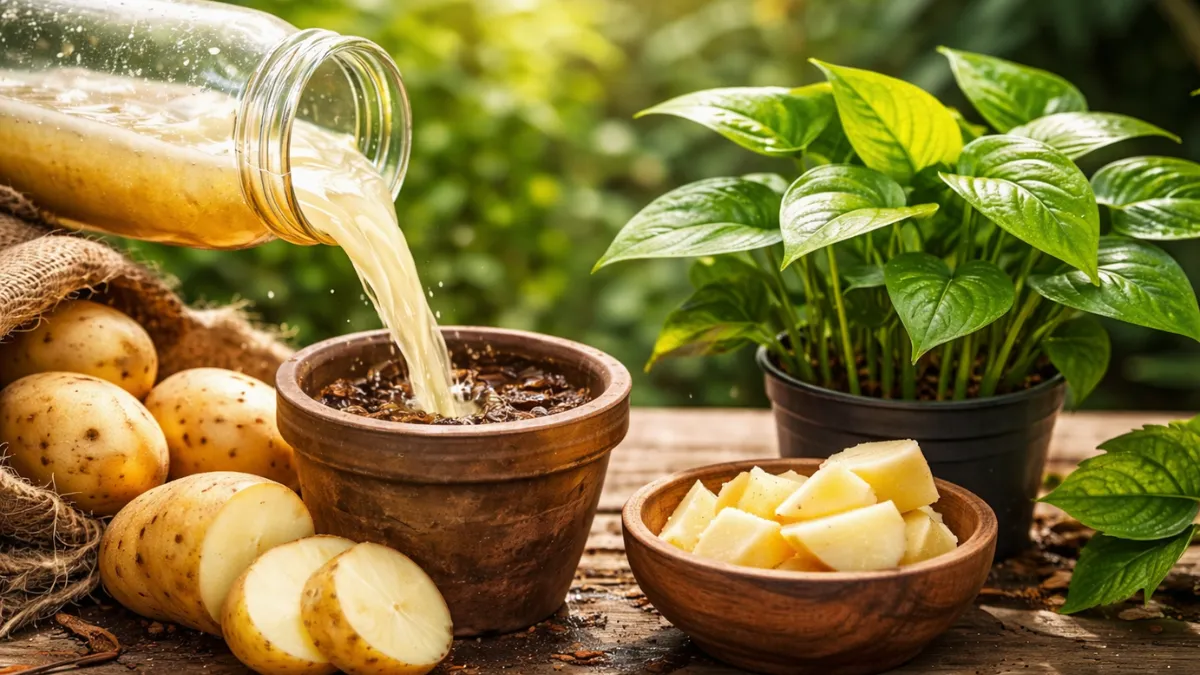
Bur ka potato usually refers to leftover potato water or mashed raw potatoes used for plants. People believe that potatoes contain starch and nutrients that can naturally nourish plants. This idea spread rapidly on social media because it seems easy and free, especially for home gardeners.
Some even believe that Bur ka potato helps weak plants recover quickly. Because potatoes are a living food, many assume it will be good for the soil as well. But plants don't eat like humans. What goes into the soil matters a lot.
What's actually in potatoes for plants?
Potatoes mainly contain starch, some potassium, and small amounts of minerals. These nutrients are locked inside organic matter. Plants can never directly absorb solid starch through their roots. Soil microbes have to break it down first, which takes a long time.
If your soil is healthy and alive, a small amount of organic matter can slowly help. But in indoor pots, soil life is limited. Therefore, most of the time, potatoes don't become plant food as quickly as people expect.
When can potato water help?
Potato water can offer some benefit if used in a very diluted form. For example, unsalted, cooled boiled potato water can be mixed with water containing a small amount of organic matter. Over time, this can support soil microbes, rather than directly feeding the plant.
This works better for outdoor plants where there is a larger volume of soil and good drainage. In indoor pots, the effect is much slower and often imperceptible. This is why many people find the results inconsistent.
When can potato water harm your plants?
Using raw potato pieces or concentrated potato water can cause serious problems. It can rot in the soil and attract fungus, ants, or cause unpleasant odors. Indoor plants are especially susceptible to poor soil conditions.
Many people see yellowing leaves or fungus after using potatoes and think the plant is weak. But in reality, the soil is compromised. Once soil health is damaged, it takes time and patience to recover.
Common Mistakes vs Safe Practices
| Mistake | Better Fix |
|---|---|
| Adding raw potato pieces | Use only diluted, cooled water |
| Using potato water weekly | Limit to once a month |
| Expecting fast growth | Think long-term soil support |
| Using in small pots | Avoid for small indoor pots |
Better Natural Alternatives to Potatoes
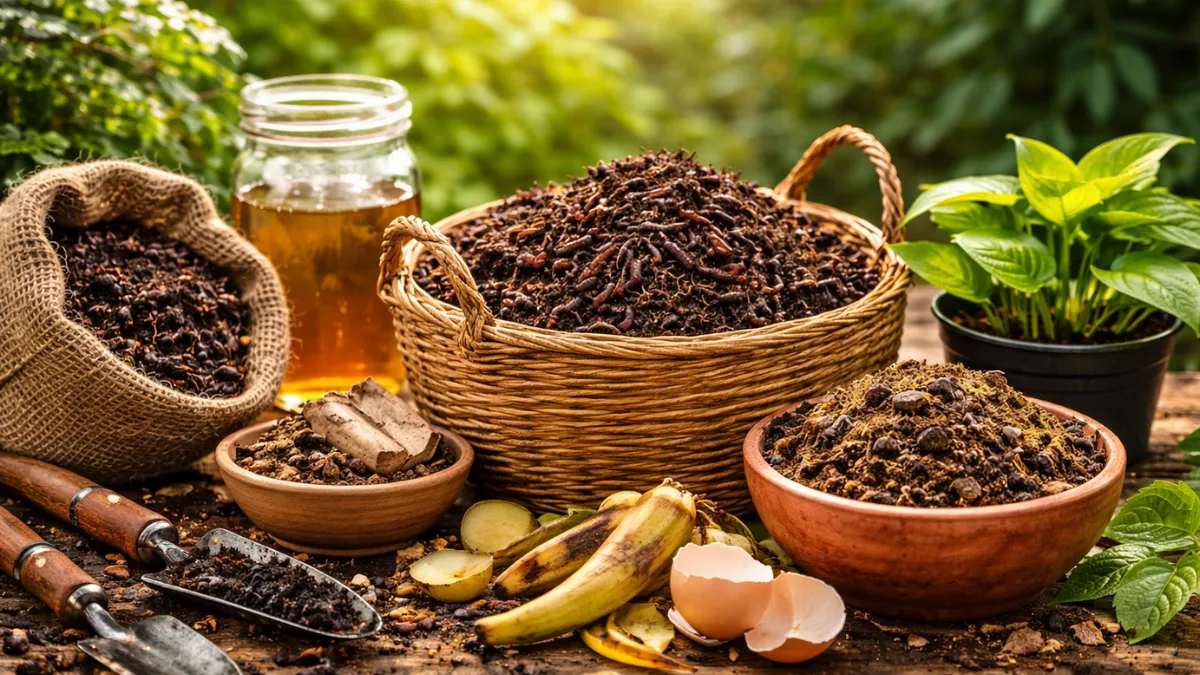
If you want safe, homemade options, there are even better alternatives. Things like vermicompost, cow manure compost, or diluted compost tea work more reliably. They are already broken down and easier for plants to absorb.
Even simple things like providing the right light, proper watering, and clean soil are more beneficial than kitchen remedies. Fertilizer is only a small part of plant care, not the complete solution.
Related Articles:
Bur Ka Potato: Benefits, Uses & Secret Gardening Tricks (Full Guide 2026)
How I personally use it (if I do)
Personally, I avoid using potatoes for my indoor plants. If I ever do use it, I always test it on an outdoor plant first. I dilute it heavily and observe it for two weeks. Most of the time, I don't see any significant changes.
This has taught me that patience and consistency matter more than viral hacks. Plants don't need experiments every week. They need consistent care and a calm routine.
Final thoughts
Potatoes are not a miracle cure for plants. At best, they provide a mild organic boost when used very carefully. At worst, they can harm the soil and attract pests. For indoor plants, simple fertilizer, good light, and proper watering work far better. Gardening is slow, gentle, and honest – just like healthy plant growth should be.