

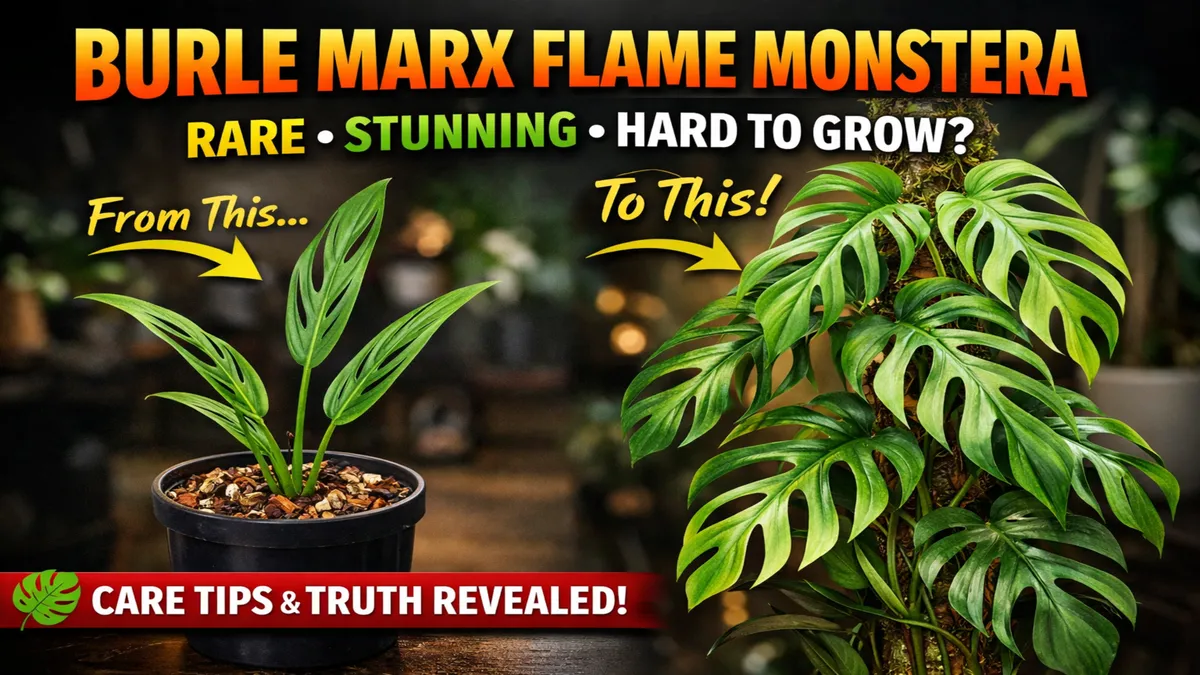
The Burle Marx Flame Monstera is one of those plants that instantly stops you in your tracks when scrolling. With its elongated leaves and dramatic flame-like fenestrations, it has become a true collector's plant rather than a common houseplant. Because of this, interest in it is soaring in 2026 – but so is the confusion surrounding its care, price, and whether it's truly easy for beginners. This guide explains what this plant actually needs indoors, what makes it rare, and what to expect in the long run – all based on real indoor growing experience, not just hype.
Quick Answers:
Related News



Is the Burle Marx Flame Monstera difficult to care for?
Not excessively, but it is less tolerant than common Monstera varieties. Consistent light, careful watering, and patience are key for healthy growth and proper leaf development.
What is a Burle Marx Flame Monstera?
The Burle Marx Flame is a rare Monstera cultivar known for:
• Thin, elongated leaves
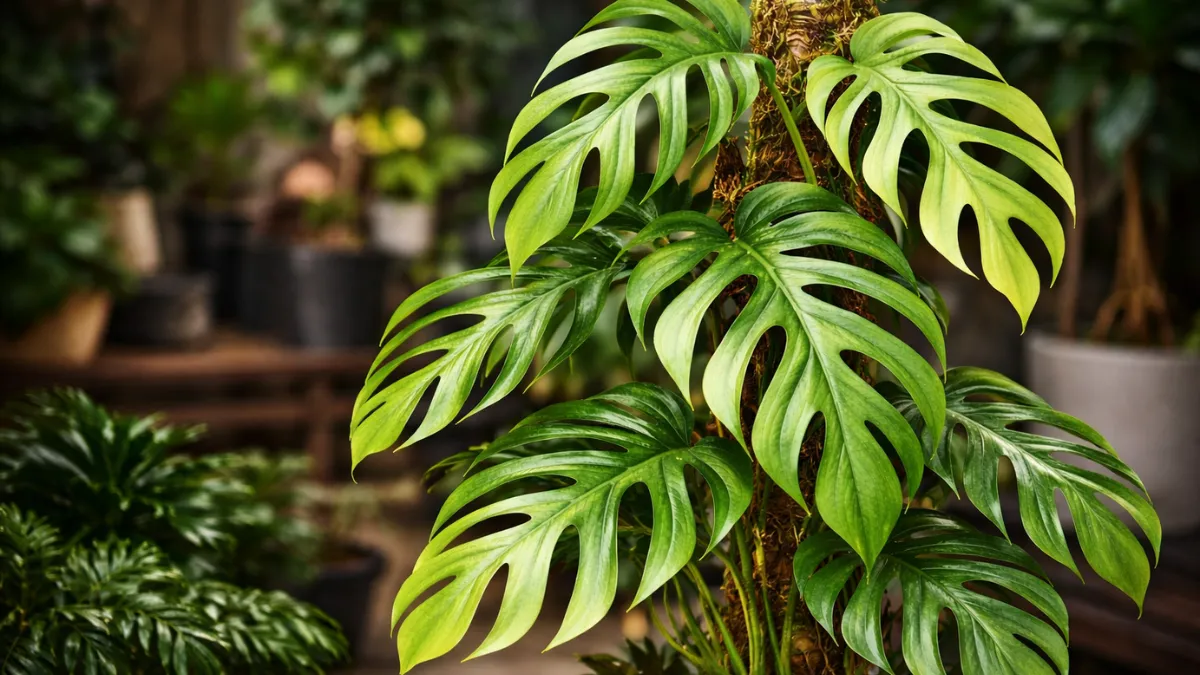
• Deep, flame-shaped fenestrations when mature
• An upright climbing growth habit
• What is a Burle Marx Flame Monstera?
• Burle Marx Flame vs. Monstera deliciosa
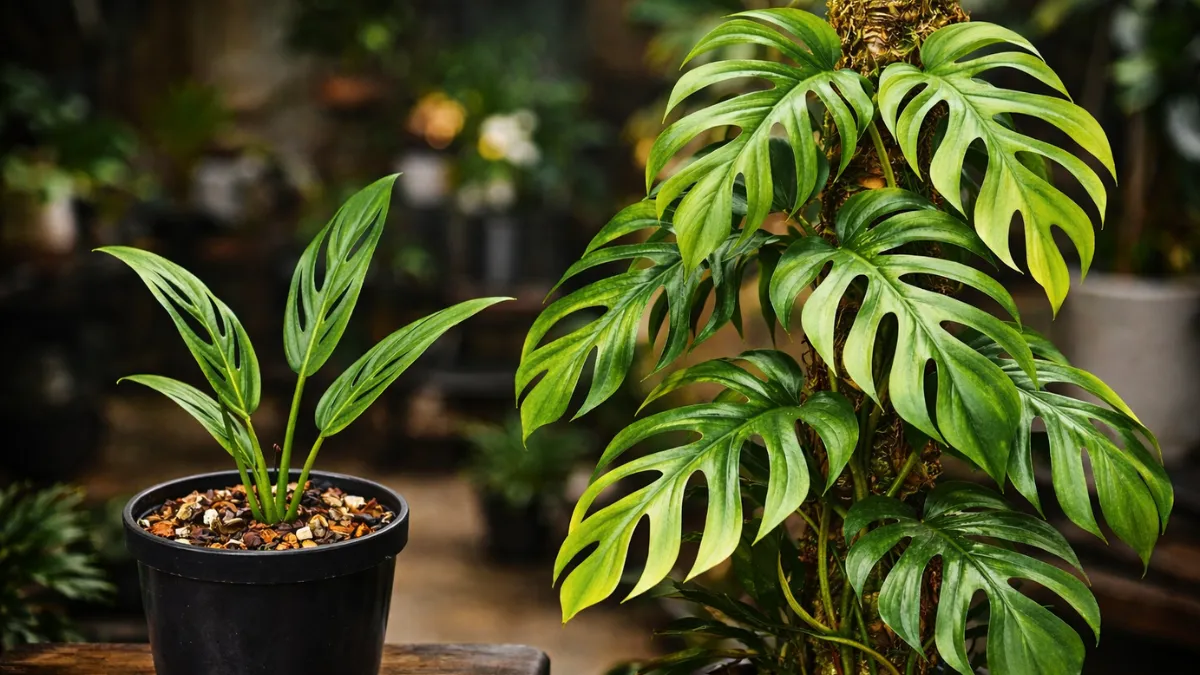
Unlike Monstera deliciosa, this plant develops its distinctive shape slowly but only consistently under ideal indoor conditions.
Why is the Burle Marx Flame Monstera so rare?
The rarity stems from a combination of factors:
• Slow propagation rate
• Limited availability from reputable growers
• High demand from collectors
• A long juvenile phase before mature leaves appear
• Why is the Burle Marx Flame Monstera rare?
Even in 2026, most plants sold are still young cuttings. No mature specimens.
Light Requirements (This matters more than you think)
Bright, indirect light is essential.
| Light Type | Result |
|---|---|
| Bright indirect | Best leaf shape and steady growth |
| Medium light | Slower growth, smaller fenestrations |
| Low light | Weak stems, stalled development |
| Direct sun | Leaf burn and stress |
My personal experience: My plant survived in medium light, but the leaf fenestrations barely developed for months. Moving it to a brighter window made a noticeable difference within one growth cycle.
• Best light for Burle Marx Flame Monstera
Watering and Soil (The most common failure point)
This plant does not like wet roots.
Ideal soil mix:
• Coarse orchid bark
• Perlite
• Coco coir or peat
• Small amount of compost
Water only when the top 40–50% of the soil is dry.
What didn't work for me:
Following a weekly watering schedule. This led to yellowing leaves and root stress. Watering based on moisture levels was much better.
• Burle Marx Flame Monstera watering
Humidity and Temperature
Humidity: 55–70% ideal
Temperature: 65–85°F (18–29°C)
It can survive in lower humidity, but the leaf edges may dry out, and growth will be significantly slower.
• Burle Marx Flame Monstera humidity
Growth Rate and Expectations
• This is not a fast-growing plant.
• The juvenile stage can last for years.
• The leaf fenestrations develop slowly.
• A climbing support (moss pole) improves leaf size.
Downside : If you want spectacular leaves immediately, this plant might disappoint you. • Burl Marx Flame Monstera Growth Rate
Common Indoor Problems
• Yellow leaves = overwatering
• Small leaves = insufficient light
• No holes in leaves = immature plant or unfavorable conditions
Addressing these issues promptly prevents long-term problems.
Related articles:
Indoor Plants : Complete Beginner-to-Expert Guide (2026 Edition)
Related articles:
Monstera Leaves Turning Brown or Splitting? Real Reasons Explained
If you appreciate slow-growing, valuable plants and have patience, then yes. However, it's not suitable for beginners or anyone expecting instant results. This plant rewards consistent care, not shortcuts.
Purpose Clarity : This guide aims to help plant owners make informed decisions about investing in a rare aroid, rather than acting on impulse.
Written for IndoorPlantify from real-world indoor plant care experience.