


Many people enjoy having plants in their bedrooms. Some say that plants help them sleep better, feel calmer, and wake up feeling refreshed. Others worry that plants might consume oxygen at night. I had this same confusion in my own home. After years of growing houseplants and reading up on basic science, I learned that the truth is more balanced. Plants don't magically fix sleep problems, but they can help create a calming sleep environment in small, tangible ways.
Quick Comparison :
Best for low light : Snake Plant
Best for fast growth : Money Plant
Best for beginners : Spider Plant
Best for air circulation : Areca Palm
Related News


Do Houseplants Really Help You Sleep Better?
Plants don't act like sleeping pills, and they can't force you into a deep sleep. But they do help in indirect ways. A calming room, clean air, and a touch of greenery all contribute to a relaxed mind. When the mind is calm, falling asleep naturally becomes easier.
Science also suggests that stress and anxiety disrupt sleep more than air quality. Houseplants help reduce stress levels. Simply looking at greenery can lower heart rate and reduce mental stress. This is why many people feel more peaceful in rooms with plants.
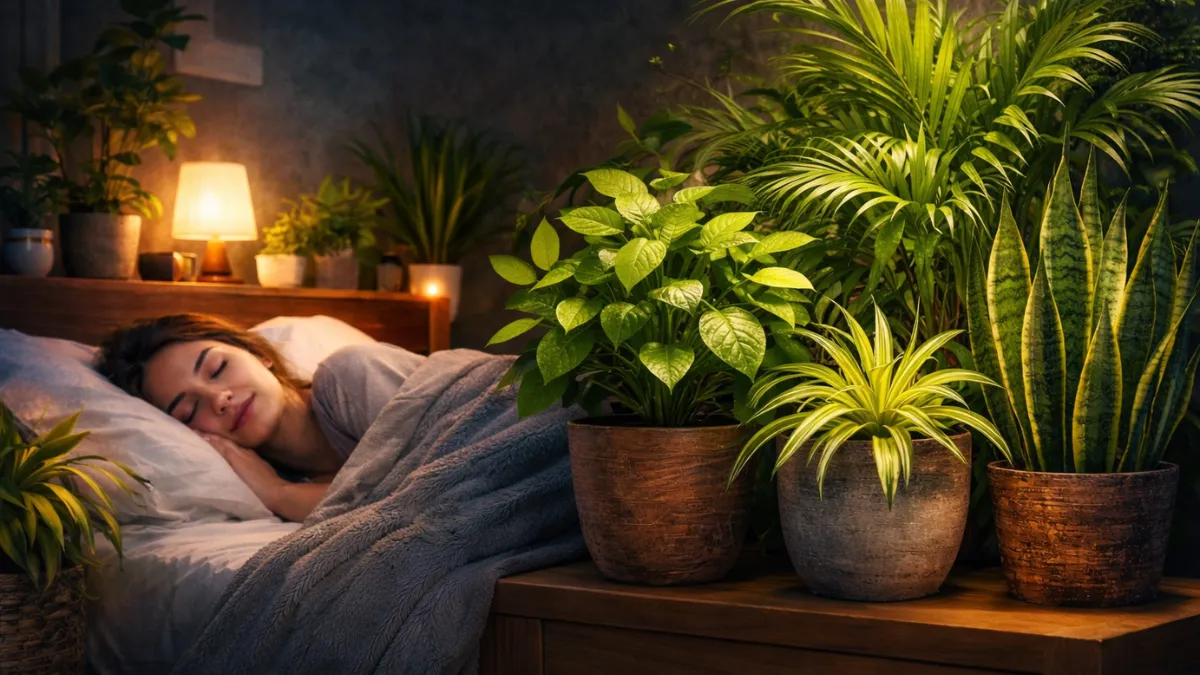
Oxygen, Carbon Dioxide, and the Big Nighttime Myth
Many people believe that plants steal oxygen at night. This fear is quite common in many households. Yes, plants do release carbon dioxide at night, but the amount is very small. A sleeping person releases far more carbon dioxide than a small plant.
In a home environment, this change in oxygen levels is so insignificant that it doesn't affect sleep at all. You would need a room overflowing with plants, like a jungle, to even notice any problems. Therefore, having one or two plants in the bedroom is perfectly safe.
How Plants Indirectly Help with Better Sleep
Plants help with sleep not by directly altering your body, but by improving the environment. They make rooms feel fresher, calmer, and less dry. This matters more than people realize.
Plants also reduce mental clutter. A clean, green corner provides a sense of calm after a long day. When your room feels peaceful, your mind slows down. This is the biggest sleep benefit that plants offer.
Best Indoor Plants for the Bedroom
Not all plants are good for the bedroom. Some require bright sunlight or emit strong scents. Bedroom plants should be low-maintenance and non-toxic.
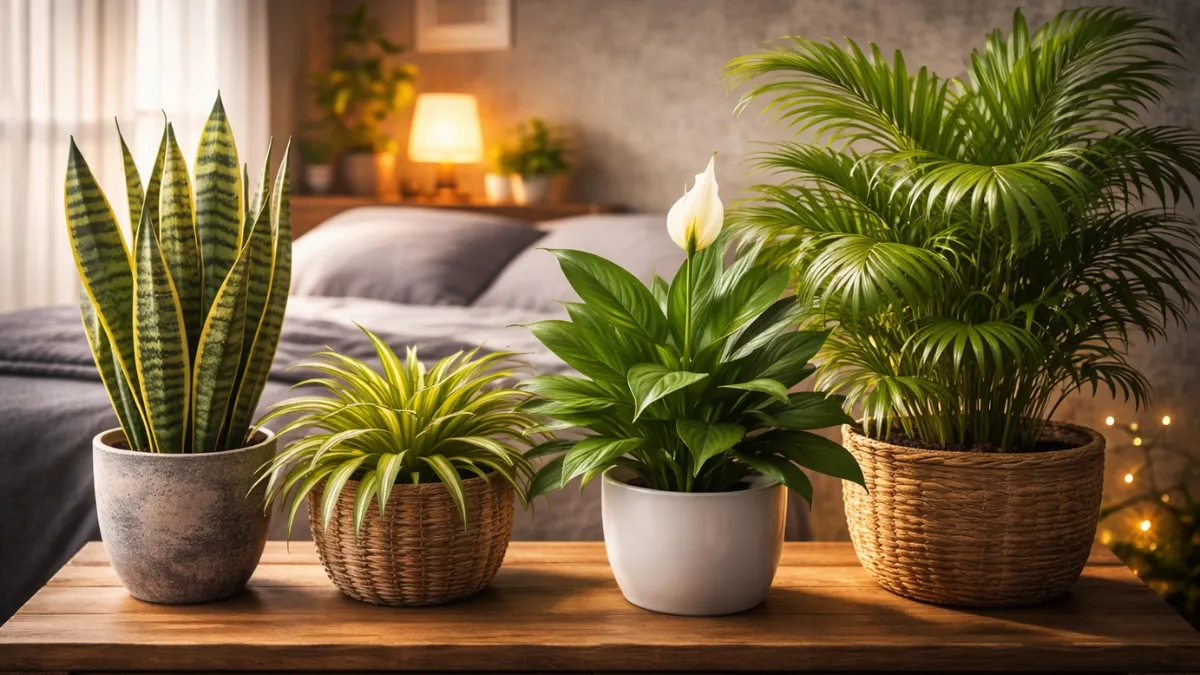
The snake plant is very popular because it survives in low light and requires little water. The spider plant is light, airy, and safe. The peace lily looks beautiful but needs careful watering. The Areca palm works well in larger bedrooms with ample space.
Related Articles:
[Best Bedroom Plants for Oxygen & Better Sleep (Expert Picks)]
Related Articles:
[Snake Plant in Bedroom: 30-Day Real Experience (Sleep, Air & Health Results)]
Related Articles:
[Best Indoor Plants for Sleep, Stress Relief & Clean Air (2026 Guide)]
Indoor Plants and Air Quality What the Science Actually Says
Plants do help clean the air, but gradually. A single plant can't purify an entire room. Scientific studies show that plants remove small amounts of pollutants over time. This is helpful but not miraculous.
Think of plants as a support system, not as machines. Open windows, clean bedding, and fresh air matter more. Plants simply add a natural layer of comfort to the room.
A Guide to Keeping Plants in the Bedroom
Where you place your plants matters more than how many you have. Plants should never block airflow or make the room feel cluttered. Keep them a little distance away from your bed.
Below is a simple guide to help you avoid common mistakes.
| Placement Mistake | Better Option |
|---|---|
| Too many plants near bed | 1–2 plants in corners |
| Blocking window light | Place beside window |
| Large pots in small room | Use medium or hanging pots |
| Wet soil smell | Let soil dry properly |
Can Indoor Plants Reduce Stress Before Sleep?
Stress is one of the biggest culprits behind poor sleep. Plants naturally help reduce stress. Watering plants, touching the leaves, or simply looking at the color green calms the mind.
This effect is subtle but real. Many people develop an emotional connection with their plants. This calming feeling before bed helps promote better sleep without any effort.
Who Should Avoid Plants in the Bedroom?
Most people are perfectly safe with plants in their bedroom. However, if you have pollen allergies or asthma, be cautious. Avoid flowering plants or plants with dusty leaves.
Always keep the soil clean and dry. Fungal odors or insects can disrupt sleep. Healthy plants rarely cause problems.
Final Thoughts from a Real Home Experience
Indoor plants won't magically cure sleep problems on their own. But they quietly contribute to creating a peaceful bedroom environment. One or two easy-to-care-for plants can reduce stress, soften the room's ambiance, and make bedtime feel more tranquil. In my own experience, plants help more emotionally than physically. When properly cared for, they become silent companions in fostering better sleep habits.