

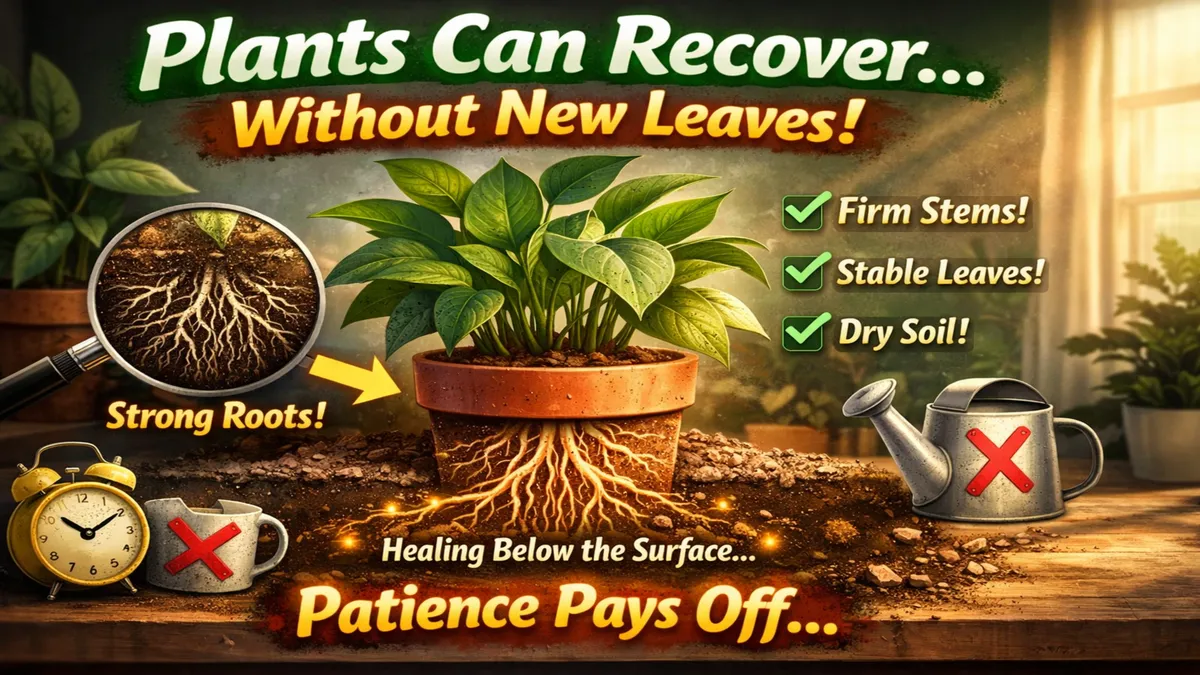
When an indoor plant stops growing new leaves, it can seem like something is wrong. I’ve watched many plants sit dormant for weeks, wondering if they were silently dying. But the truth is a little different. Recovery doesn't always mean visible growth. Many indoor plants recover internally first, and new leaves may appear much later or not at all for a long time.
Quick Comparison:
• Best for low light : Snake Plant
• Best for fast growth : Pothos
• Best for beginners : ZZ Plant
• Best for air purification : Spider Plant
Related News



What Indoor Plant Recovery Really Means
Recovery growth isn't uniform. A plant can stabilize itself, strengthen its roots, and rebalance its internal systems without growing a single new leaf. Indoors, plants prioritize survival. If conditions have recently improved, the plant often pauses growth to repair damage caused by stress.
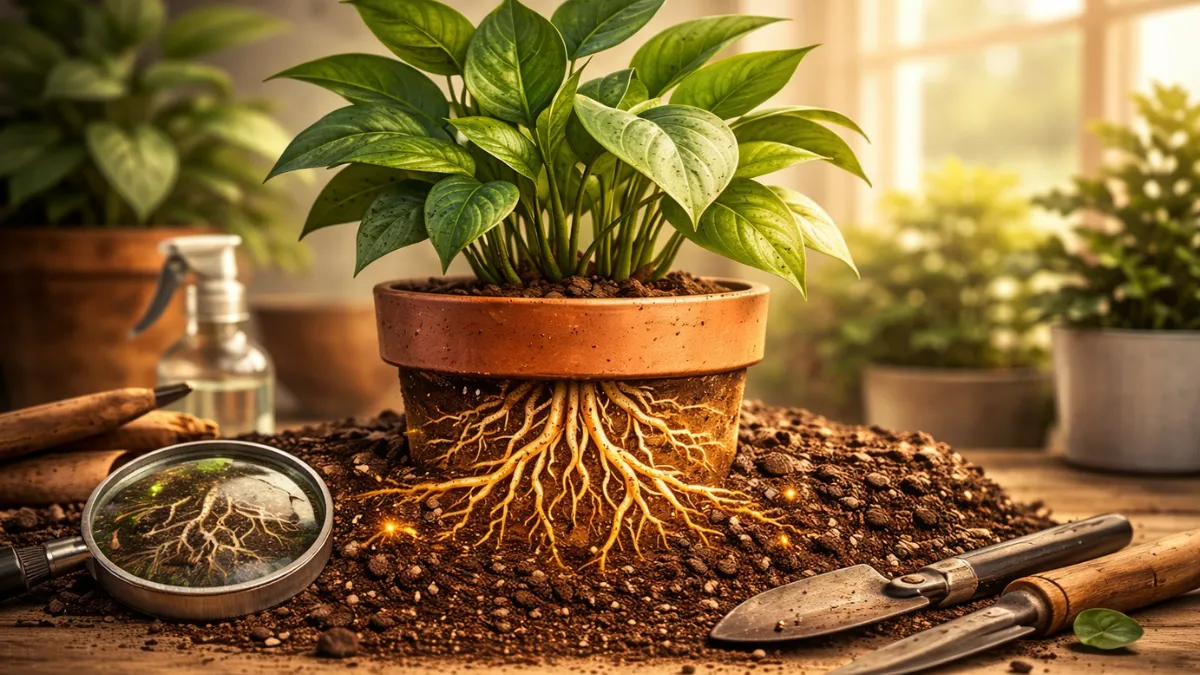
This stage can last for weeks or months. The leaves may remain the same size and color. But their stems remain firm. The roots slowly recover beneath the soil surface. This quiet period is often mistaken for failure, but it's actually a sign that the plant is conserving energy.
Signs of Plant Recovery Without New Leaves
Leaf growth is only one indicator of health. Many stronger signs happen silently. The leaf color remains stable, which is a good sign. The leaves stop drooping. Leaf drop slows down or stops completely. The soil dries out at a more predictable rate. These changes usually appear before any new leaves emerge.
The roots are the real engine of recovery. Once the roots gain strength, the plant can stand upright and retain moisture better. If a plant remains strong and doesn't deteriorate, it's often recovering, even if there's no visible growth.
Why Indoor Plants Stop Producing Leaves
Several factors cause growth to stall. Changes in light are common. After being moved to a location with less or more light, plants often stop producing leaves until they adjust. Damage from overwatering also forces plants to focus on repairing roots instead of producing new leaves.
Another reason is seasonal rhythms, even indoors. Plants naturally slow down during periods of low energy. Stress from repotting, pruning, or pesticide treatments can also halt growth. In these cases, forcing fertilizer or overwatering usually delays recovery.
When No New Leaves Are Perfectly Normal
Some plants are naturally slow growers. Snake plants, ZZ plants, and rubber plants can go months without new leaves and still be healthy. These plants store energy and grow intermittently, not continuously.
Age also matters. Mature plants grow slower than young plants. If the plant already has a full set of leaves and stable roots, it may not prioritize new leaves. In these cases, a lack of growth doesn't mean decline.
Mistakes That Prevent True Recovery
Trying to "fix" a dormant plant often does more harm than good. Overwatering is the most common mistake. Fertilizing a stressed plant is another. Both can damage roots that are already struggling to recover.
Below is a simple table that addresses common misconceptions:
| Mistake | What Happens | Better Approach |
|---|---|---|
| Frequent watering | Root rot risk increases | Water only when soil truly dries |
| Adding fertilizer | Burns weak roots | Wait for visible growth first |
| Moving plant often | Stress never settles | Keep placement consistent |
| Pruning healthy leaves | Energy loss | Let leaves support recovery |
How long can recovery without growth last?
Recovery time varies greatly. Mild stress can resolve in two to four weeks. However, root damage can take two to three months to heal. Stress from overwatering or low light may require a full growing cycle before new leaves appear.
The key is consistency. If care remains stable and symptoms don't worsen, time is on your side. Sudden changes usually reset the recovery clock.
What won't make new leaves appear faster?
There are no shortcuts to healthy growth. Too much light burns the leaves. Overwatering suffocates the roots. Too much fertilizer causes salt buildup. These methods often delay leaf growth rather than helping it.
Recovery happens in stages. First, the roots stabilize. Then the stems strengthen. Leaves only grow when the energy balance is restored. Taking shortcuts indoors never works.
When Lack of Growth Indicates a Real Problem
If the leaves are consistently yellowing, the stems are becoming soft, or the soil remains wet for too long, recovery may not be occurring. A sour smell from the soil often indicates root rot. Persistent leaf drop without recovery is another warning sign.
In these cases, investigation is more important than waiting. Checking the roots and adjusting the soil may be necessary before recovery can begin.
Related Article:
Spider Plant Benefits for Indoor Air (Proven & Practical)
Helping Recovery the Right Way
The best help is patience. Provide consistent light, a stable location, and water at the right time. Allow the plant to naturally utilize its stored energy. Gently clean the leaves to improve light absorption.
Patience is not passive neglect. It is active consistency. Most healthy indoor plants recover gradually before resuming noticeable growth.
Related Article:
Spider Plant vs Snake Plant for Asthma : Which Is Safer?
Related Article:
Can Indoor Plants Recover After AC Damage? Expert Answer
Final Thoughts
Yes, indoor plants can recover without growing new leaves, and this is often normal. Recovery begins below the surface and gradually works its way up. If the plant appears stable and the symptoms of stress cease, growth will return when the plant is ready. Trust in consistent care rather than immediate fixes. Quiet plants aren't necessarily failing. Many of them are simply recovering.