

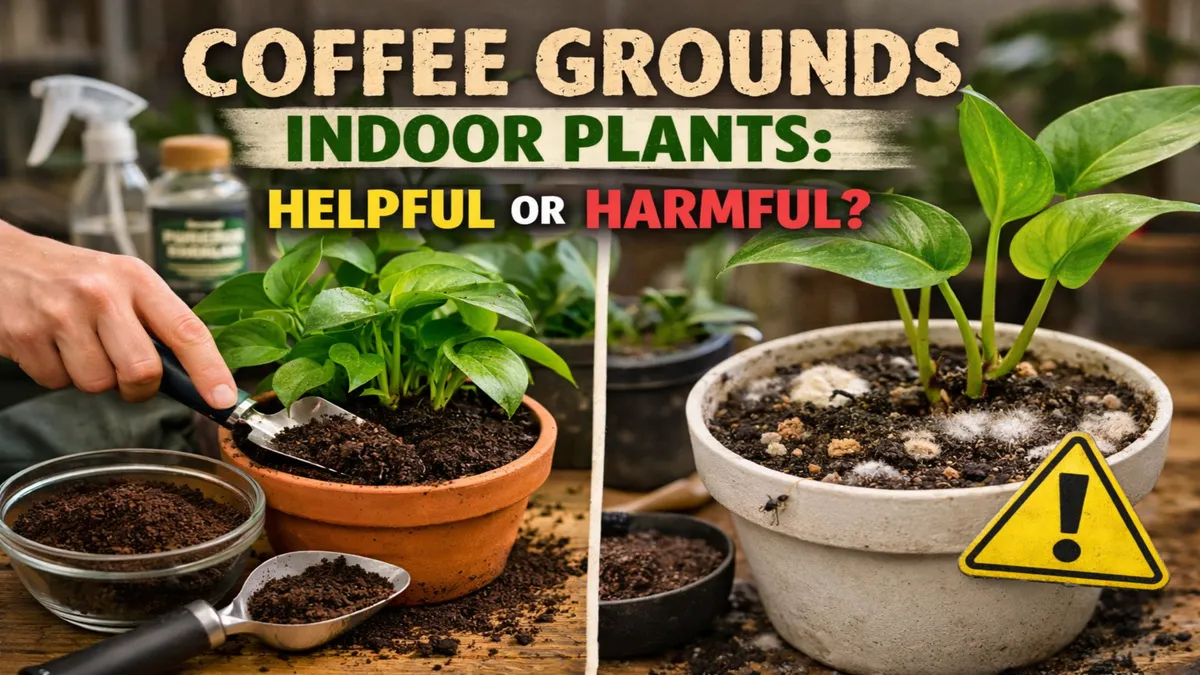
Many indoor gardeners hear that coffee grounds can boost plant growth, but using them incorrectly can harm roots and soil balance. I've tested coffee grounds on several of my indoor plants, including pothos and snake plants, and I've seen mixed results based on how I used them. The truth is, coffee grounds can help—but only when used correctly. Understanding the correct method makes a huge difference in keeping your indoor plants healthy.
Quick Answer:
Related News


Are coffee grounds safe for indoor plants?
Yes, coffee grounds can benefit indoor plants when used in small amounts and properly. They improve soil texture, provide nutrients, and support beneficial microbes. However, using fresh or too much coffee grounds can cause mold, harden the soil, and slow plant growth. The key is to use them sparingly and correctly.
What nutrients do coffee grounds provide?
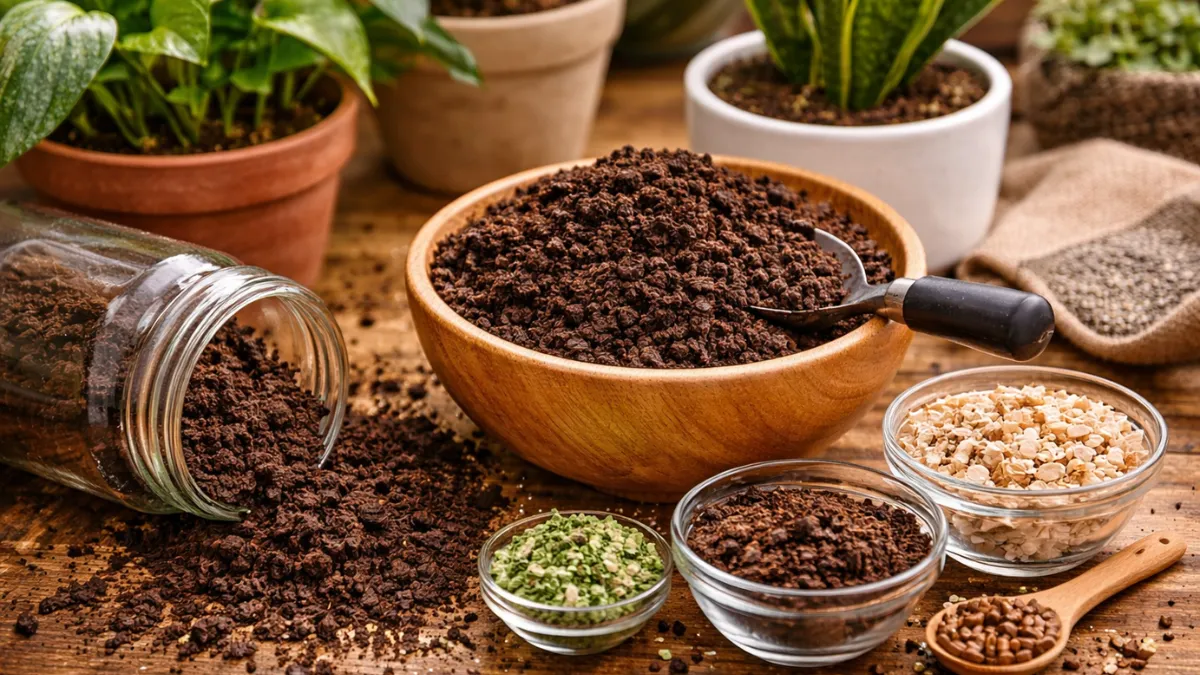
Coffee grounds contain many nutrients that indoor plants need for healthy growth. Do coffee grounds add nutrients to indoor plants?
| Nutrient | Benefit to Indoor Plants |
|---|---|
| Nitrogen | Supports leaf growth |
| Potassium | Improves plant strength |
| Phosphorus | Helps root development |
| Organic matter | Improves soil texture |
| Trace minerals | Supports overall plant health |
However, coffee grounds are not a complete fertilizer. They work best as a supplement, not a replacement.
In my experience, sometimes my pothos leaves started to look a little greener after using them, but the effect was gradual, not immediate.
Used vs. Fresh Coffee Grounds: Which is Better?
Always use used coffee grounds, never fresh. Are fresh coffee grounds harmful to indoor plants?
Fresh grounds are acidic and can damage roots. Used grounds are safer because brewing removes most of the acidity.
Benefits of used coffee grounds:
• Low acidity
• Safe for roots
• Easier for soil microbes to break down
On the other hand, fresh grounds can create an unhealthy indoor soil environment.
Best Ways to Use Coffee Grounds for Indoor Plants
Using coffee grounds correctly is more important than reusing them repeatedly. How to Use Coffee Grounds Safely for Indoor Plants:
Method 1: Mix with Soil (Safest Method)
Mix a small amount with potting soil.
Proportion:
• 1 part coffee grounds
• 4 parts potting soil
This prevents the soil from clumping and improves the soil's texture.
This method worked best for my rubber plant, which showed consistent growth without soil problems.
Method 2: Compost First (Recommended Method)
Composting coffee grounds before use is the safest option. Should coffee grounds be composted before indoor use?
Composting helps break down organic matter and prevents mold problems.
Benefits include:
• Balanced nutrients
• Improved microbial activity
• Reduced risk of root damage
Method 3: Liquid coffee fertilizer (use occasionally)
You can make a diluted coffee fertilizer. Can coffee water be used for indoor plants?
Steps:
• Mix 1 teaspoon of used coffee grounds with 1 liter of water.
• Let it steep overnight.
• Strain and use once a month.
This provides a gentle nutrient boost without harming the roots.
Indoor Plants That Benefit Most From Coffee Grounds
Some indoor plants respond better than others. Which indoor plants like coffee grounds the most?
Plants That May Benefit:
• Pothos
• Philodendron
• Snake Plant
• ZZ Plant
• Peace Lily
These plants tolerate light organic supplements well.
My peace lily responded positively, sometimes producing healthier leaves after occasional use.
Indoor Plants That May Not Respond Well
Not all indoor plants like coffee grounds. Which houseplants should avoid coffee grounds?
Sensitive plants include:
• Succulents
• Cacti
• Orchids
These plants prefer dry, fast-draining soil. Coffee grounds can retain too much moisture.
I once tried coffee grounds on a succulent, and it slowed growth. It didn't work well and confirmed that some plants prefer simple soil.
Major Dangers of Using Coffee Grounds Indoors
If used improperly, coffee grounds can cause problems. Why can coffee grounds harm indoor plants?
1. Soil Clogged
Coffee grounds can form a dense layer that blocks airflow.
This reduces oxygen supply to the roots.
2. Mold Growth
Poorly ventilated indoor environments increase the risk of mold. Do coffee grounds cause mold in indoor pots?
This is especially common when the grounds are placed on top of the soil.
3. Overfeeding Plants
Too much nitrogen can upset the plant's balance. How often should you use coffee grounds on indoor plants?
Indoor plants require fewer nutrients than outdoor plants.
How often should you use coffee grounds?
Frequency matters more than quantity. How often should you use coffee grounds on indoor plants?
Safe guidelines:
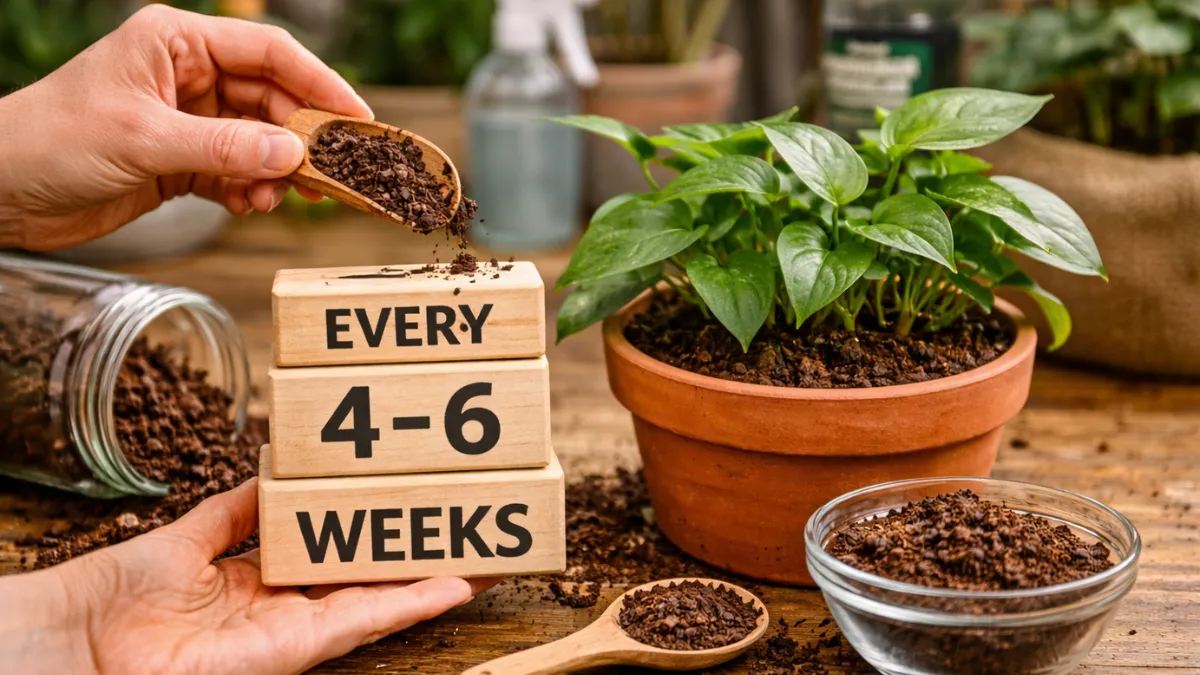
• Once every 4–6 weeks
• Only a small amount
• Never apply weekly
Indoor plants grow slowly, so they require fewer nutrients.
Signs that coffee grounds are helping your plant
Positive signs include : How to know if coffee grounds are helping indoor plants
• Green leaves
• Regular growth
• Healthy soil texture
These signs appear gradually over weeks.
Signs that coffee grounds are causing problems
Stop using coffee grounds if you notice these symptoms: Signs of too much coffee grounds on indoor plants
• Mold on the soil
• Slow growth
• Hard soil surface
• Fungus gnats
These indicate overuse or improper use.
Limitations of coffee grounds for indoor plants
Coffee grounds are helpful but not perfect. They release nutrients slowly and cannot completely replace a balanced fertilizer. Are coffee grounds a good fertilizer for indoor plants?
Indoor plants benefit from proper light, water, and occasional balanced fertilizer.
A Better Option : Balanced Indoor Plant Fertilizer
Coffee grounds work best as a supplement, not as a primary fertilizer. What's Better Than Coffee Grounds for Indoor Plants?
Balanced fertilizers provide complete nutrition and predictable results.
Coffee grounds are beneficial for improving soil health, but they are not enough alone.
Final Verdict : Should you use coffee grounds on indoor plants?
Yes, coffee grounds can benefit indoor plants when used correctly and occasionally. They improve soil quality, provide light nutrients, and support plant health. However, improper use can lead to mold, compaction, and slow growth.
The safest approach is to use small amounts, preferably composted, and only occasionally. Coffee grounds are a helpful supplement, but they are not a complete solution to plant care.
Related Helpful Articles:
Are Coffee Grounds Good for Indoor Plants? Right Way to Use Them
The Viral Spoon of Rice Water Hack : Thats Making Indoor Plants Grow Faster in 2025!
Easy Indoor Gardening Hacks for Faster Plant Growth
I myself occasionally use coffee grounds on pothos and peace lilies, and they work well when applied carefully and in small amounts.
Written for IndoorPlantify from real experience caring for indoor plants.