

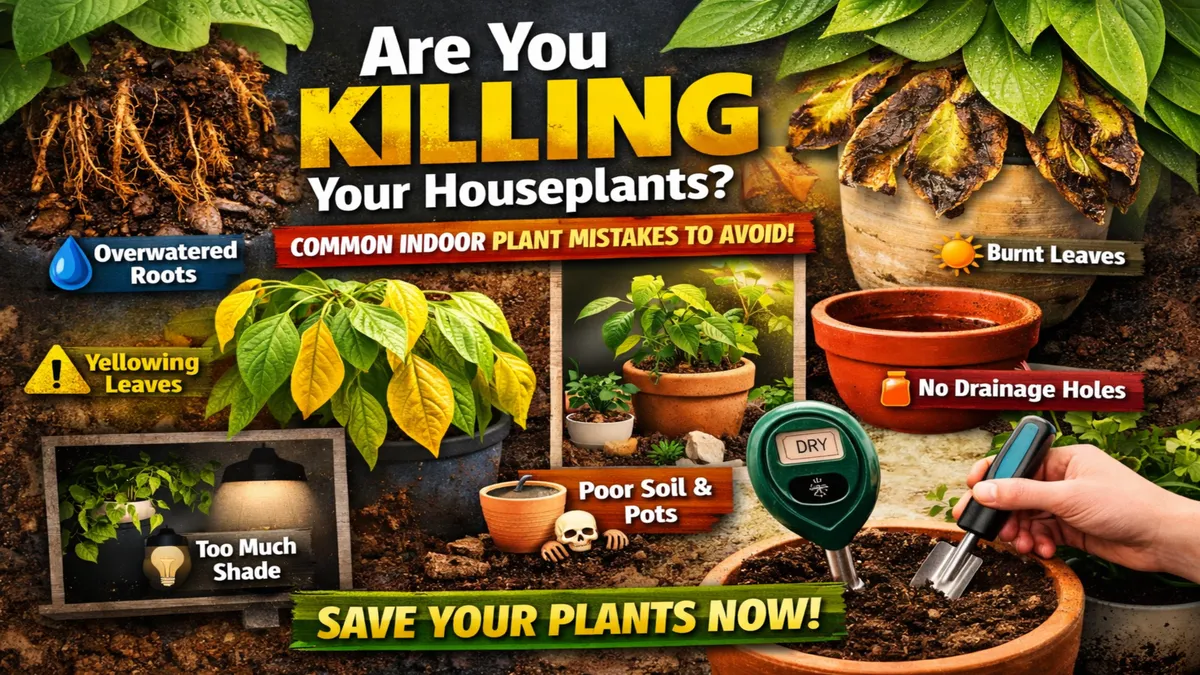
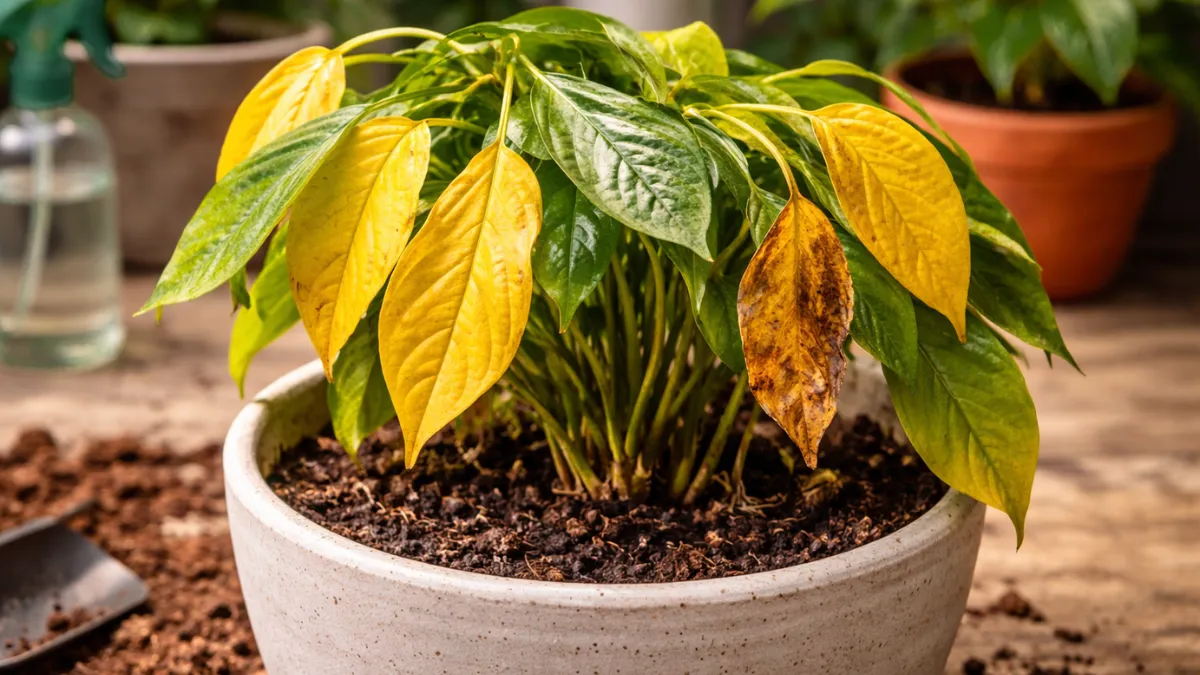
Many people say, "My houseplants die even when I water them." I used to say the same thing about my plants. But gradually, I learned that plants don't die suddenly. They suffer silently due to our small, everyday mistakes. Things like improper watering, poor lighting, and unsuitable pots slowly kill them. If your plants look wilted, yellow, or weak, these common indoor plant mistakes might be the real reason.
Overwatering is the biggest silent killer
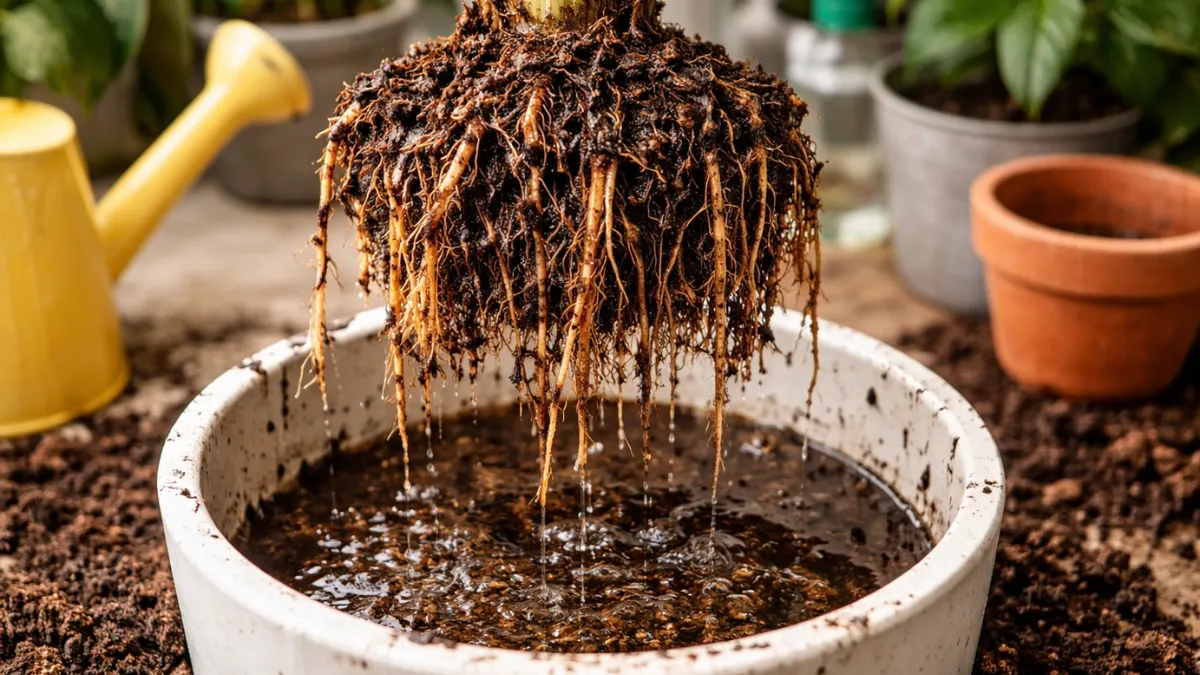
Overwatering remains the most common mistake in most homes. Many people think that more water means more care. But indoor plants need air around their roots. Too much water blocks oxygen and slowly rots the roots.
Related News

Watering daily without checking the soil moisture leads to yellowing leaves and fungal growth. Always check the soil before watering. If the topsoil feels moist, wait another day.
Wrong lighting confuses plants
Low light doesn't mean darkness
Many people keep their plants away from windows, thinking that indoor plants don't need sunlight. But this is wrong. Because low light means indirect light, not complete darkness.
Indoor plants kept in dark corners often become weak and yellow. For better growth, it's essential to keep them near windows with soft daylight.
Direct sunlight can burn the leaves
Placing indoor plants in direct afternoon sun can burn their leaves. This is because direct sunlight is very intense, especially during the summer.
Use curtains or keep the plants a few feet away from the window. Morning light is always safer than afternoon sun.
Using the wrong pots and soil mix
Lack of drainage holes is a major mistake
Decorative pots without drainage holes trap water inside. This leads to root rot and a foul smell from the soil.
Always use pots with drainage holes at the bottom. If using decorative pots, place a plastic pot inside them.
Garden soil is not suitable for indoor plants
Using heavy garden soil indoors restricts airflow. This causes the roots to become compacted and unhealthy.
Use a light potting mix with coco peat, compost, and sand. This allows for proper drainage and keeps the roots healthy.
Ignoring dusty leaves and air quality
Indoor plants breathe through their leaves. However, in many homes, fans and open windows cause dust to accumulate quickly on their leaves.
Dusty leaves block sunlight and slow down growth. Gently wipe the leaves with a damp cloth every two weeks. Also, avoid placing plants near AC vents or in the kitchen where hot air and fumes can damage the leaves.
Fertilizing without understanding the plant's needs
Too much fertilizer burns the roots
Many people fertilize their plants every week, thinking it will make them grow faster. But this burns the roots and causes the leaves to drop.
Indoor plants always need a light fertilizer. Once a month during their growing season is sufficient.
Fertilizing at the wrong time harms the plants
Never fertilize weak or newly planted plants. Let them establish themselves first.
Always water the soil lightly before fertilizing to prevent shock.
Mistakes vs. Solutions Table (Quick Help Guide)
| Common Mistake | What Happens | Easy Fix |
|---|---|---|
| Daily watering | Root rot, yellow leaves | Check soil before watering |
| No drainage holes | Water stays trapped | Use pots with holes |
| Dark room placement | Slow growth | Move near window |
| Direct afternoon sun | Burnt leaves | Use indirect light |
| Heavy garden soil | Poor roots | Use light potting mix |
Ignoring Early Warning Signs
Plants always show some signs before they die. Yellowing leaves, drooping branches, and slow growth are early warning signs.
Many people often ignore these signs, thinking the plants will recover on their own. If you take action in time, the plants can be saved. Check on your plants every week. Small changes in care can make a big difference.
Related Article:
[Overwatering Is not the Problem : The Real Reason Your Plants Are Dying]
Related Article:
[Hard-to-Kill Indoor Plants for Indian Homes | Easy Care Guide]
Related Article:
[Is Keeping Snake Plant Near a Window a Big Mistake? Light Truth]
Final Tip from Real Home Experience
Indoor plants don't need perfect care. They just need understanding. Never rush when it comes to watering, fertilizing, or sunlight. Observe your plant, feel the soil, and make gradual changes. Most plants die from over-care, not neglect. When you keep things simple and patient, indoor plants thrive and live longer in your homes.