

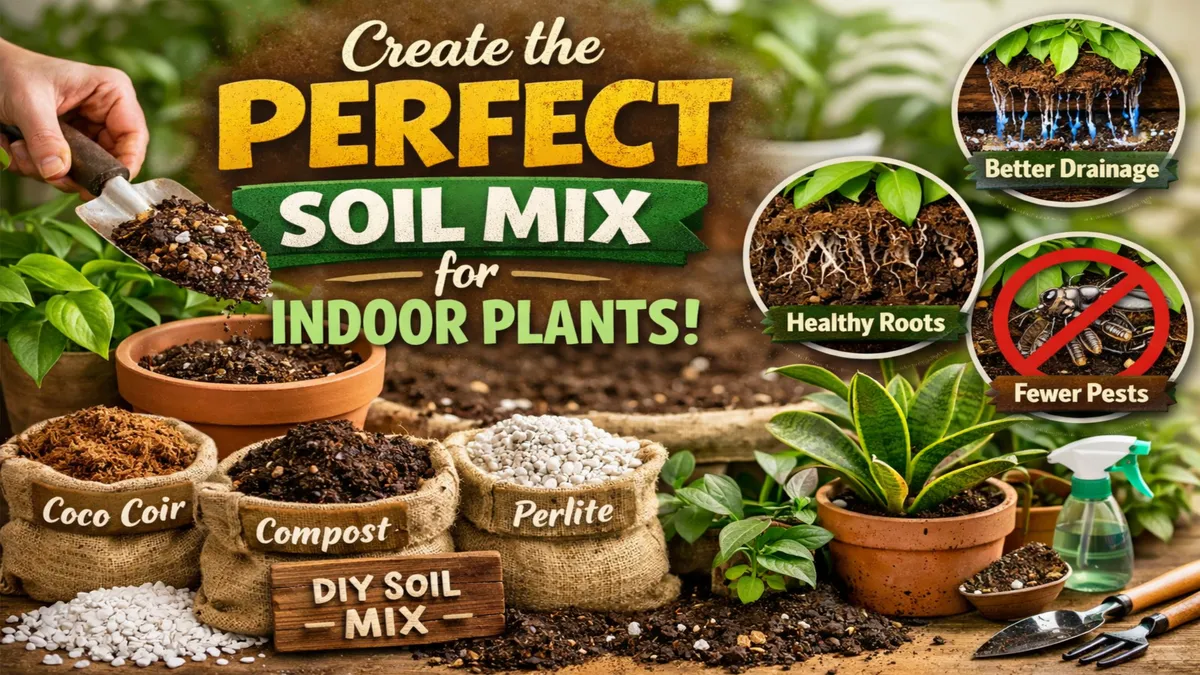
Indoor plants often fail not due to lack of light or water, but because of poor soil. I learned this firsthand when I noticed healthy plants from the store slowly declining in store-bought mixes that either stayed too wet or dried out too quickly. Making your own soil mix at home gives you control over drainage, moisture retention, and root health. It's easy, cost-effective, and, when done correctly, works better for most indoor plants.
Quick Comparison:
• Best for low light : Coco coir-based soil mix
• Best for fast growth : Compost-rich soil mix
• Best for beginners : Balanced all-purpose soil mix
• Best for aeration : Perlite-heavy soil mix
Related News
Why Indoor Plants Need Different Soil Mixes
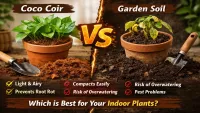
Indoor plants live in pots, not open ground. This limits air circulation and water movement around the roots. As a result, regular garden soil compacts in pots, blocking oxygen and retaining too much water. The roots gradually weaken, even if the plant initially looks fine. A proper indoor soil mix remains light and airy while still retaining enough moisture for consistent growth.

Good indoor soil also helps prevent common problems like fungus gnats, root rot, and yellowing leaves. When water drains properly and air reaches the roots, plants can focus their energy on healthy foliage instead of just surviving. This is why homemade mixes often outperform bagged soil over time.
Basic Ingredients Used in DIY Indoor Soil Mixes
Most indoor soil mixes use a few simple ingredients. Coco coir or peat moss provides a base that retains moisture without becoming waterlogged. Compost adds nutrients and supports consistent growth. Perlite or sand improves drainage and prevents compaction. Each ingredient plays a distinct role, and omitting any one can alter the soil's behavior.
You don't need expensive or rare materials. These ingredients are readily available and easy to store. Just be mindful that too much compost makes the soil heavy. Too much perlite causes it to dry out too quickly. Mixing them correctly creates a soil that supports roots rather than stressing them.
All-Purpose DIY Soil Mix for Most Indoor Plants
This mix works well for pothos, snake plants, spider plants, philodendrons, and many common indoor plants. It's simple and easy to maintain.
Mix Ratio:
40% Coco Coir or Peat Moss
40% Compost or Vermicompost
20% Perlite or Coarse Sand
Mix all ingredients thoroughly before use. The soil should be light, not sticky, and crumble easily in your hand. This mix retains moisture for several days while allowing excess water to drain away.
Adjusting Soil Mixes for Different Plant Needs
Not all indoor plants prefer the same soil. Succulents and cacti prefer fast-draining soil, so increase the perlite to about 40% and reduce the compost. Peace lilies and ferns prefer more moisture, so slightly increase the coco coir and decrease the perlite.
If your plant wilts even after watering, the soil may be drying out too quickly. If the leaves turn yellow and the stems feel soft, the soil may be retaining too much water. By making small adjustments to your mix, you can fix these problems without changing your care routine.

Related Articles:
Best Soil Mix for Indoor Plants (DIY Recipe + Expert Tips)
Common DIY Soil Mistakes and How to Fix Them
Many people believe that richer soil means better growth. But in containers, this often backfires. That's because heavy soil suffocates roots and traps moisture. Another mistake is using straight garden soil, which compacts quickly and attracts pests.
Mistake Why it causes problems Easy Solution
| Mistake | Why it causes problems | Simple fix |
|---|---|---|
| Using garden soil | Compacts and blocks airflow | Replace with coco peat base |
| Too much compost | Holds excess water | Add more perlite |
| No drainage material | Leads to root rot | Mix in sand or perlite |
| Reusing old soil | Lacks nutrients | Refresh with compost |
How Often Should You Change Your DIY Soil Mix?
Homemade soil doesn't last forever. Over time, the particles break down and drainage slows. For most indoor plants, refreshing the soil every 12 to 18 months works well. You don't always need a complete repotting. Replacing the top layer and loosening the soil can restore airflow.
If growth slows down, water lingers longer than usual, or the roots become tightly bound and circling, it might be time to change the potting mix. Fresh soil often shows results in a few weeks, not overnight.
How to Store Leftover Potting Mix at Home
Leftover potting mix can be easily stored if kept dry. Use a breathable bag or a container with small air holes for storage. Avoid sealing wet soil, as this can lead to mold. Keep it away from direct sunlight and moisture.
Before reusing, check the texture and smell. Healthy soil smells earthy, not sour. If it feels compacted, add a small amount of perlite to restore its lightness.
Final Tips
A homemade potting mix provides a stable foundation for indoor plants rather than a quick fix. When the soil drains well and remains aerated, watering becomes easier, and plants grow more predictably. Start with a simple mix, observe how your plants respond, and make gradual adjustments. Good soil doesn't force growth; it quietly supports it every day.