

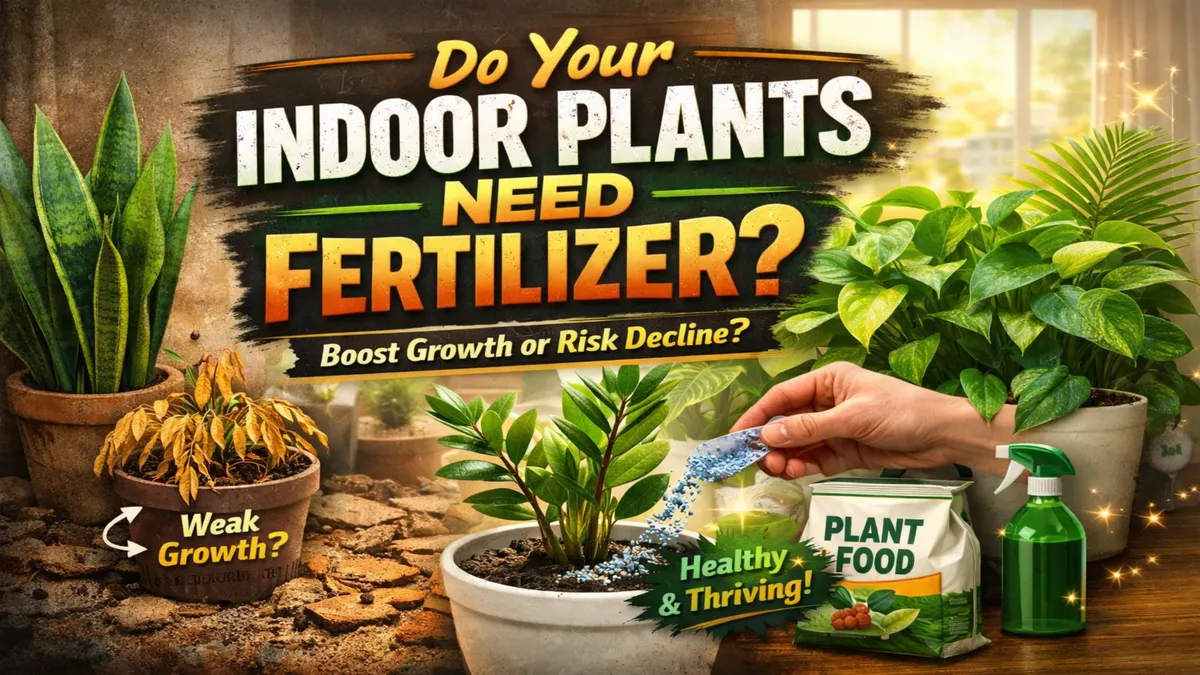
Many indoor plant owners find that their plants thrive in a particular spot and then hesitate to move them. This raises a common question: Do indoor plants get attached to a specific location? The short answer is yes, but only to specific conditions, not the location itself. Understanding how plants respond to light, airflow, and gravity helps you avoid stress and long-term growth problems when caring for them indoors.
Quick Comparison:
• Best for low light : Snake Plant
• Best for fast growth : Pothos
• Best for beginners : ZZ Plant
• Best for air circulation : Areca Palm
Related News



What Does Getting Attached to a Location Really Mean?
Indoor plants don't recognize rooms or corners. They respond to environmental cues such as light direction, air movement, temperature stability, and gravity. When these factors remain consistent, the plant adjusts its growth patterns accordingly and becomes comfortable in that spot.

Roots grow towards moist areas, leaves bend towards the light, and stems strengthen based on exposure to airflow. This adjustment takes time, which is why sudden changes can shock the plant, even if basic care like watering is consistent.
How Light Direction Trains Plant Growth
Light is the strongest factor that makes a plant feel attached to a location. Leaves gradually turn towards the brightest source and thicken on that side. Over weeks, the plant structures itself around the direction of the light, not the position of the pot.
If you suddenly rotate or move the plant, the leaves may droop or growth may stall. This doesn't mean damage, but it shows the plant needs time to readjust its energy towards the new light source.
Airflow and temperature stability matter more than you think.
Consistent airflow helps strengthen stems and prevent fungal problems. A plant placed in a still corner adapts to lower air movement, while one near a window or fan develops stronger growth. Sudden changes in airflow can cause their leaves to curl or dry out.
Temperature stability works similarly. Plants adjust their internal water use to a stable range. Moving them near heat sources or drafts forces them to adjust quickly, often showing stress before recovering.
Do roots adapt to a specific location within the pot?
Roots aren't affected by the room's conditions, but they do adapt to moisture patterns within the pot. If one side dries out faster due to light or airflow, the roots will migrate to the other side. Moving the plant changes the way water evaporates, temporarily confusing the roots' behavior.
This is why plants sometimes show stress after being moved, even if watering remains the same. The roots need time to re-balance their growth underground.
When moving an indoor plant is beneficial
Moving a plant can be beneficial when growth becomes uneven, its leaves start leaning towards the light, or the soil stays wet for too long. Gradually improving the conditions often leads to healthier growth than staying in a poor but familiar location.
Related article:
Why Indoor Plant Leaves Turn Yellow : The Updated 2025 Guide to Fixing It Fast
Small changes, such as moving it closer to indirect light or slightly improving airflow, help plants adjust without shock. Sudden, drastic changes usually do more harm than good.
When Moving a Plant Won't Solve the Problem
If a plant is struggling due to poor soil, root-bound conditions, or overwatering, simply moving it won't fix the issue. Many owners confuse location problems with care problems, or vice versa.
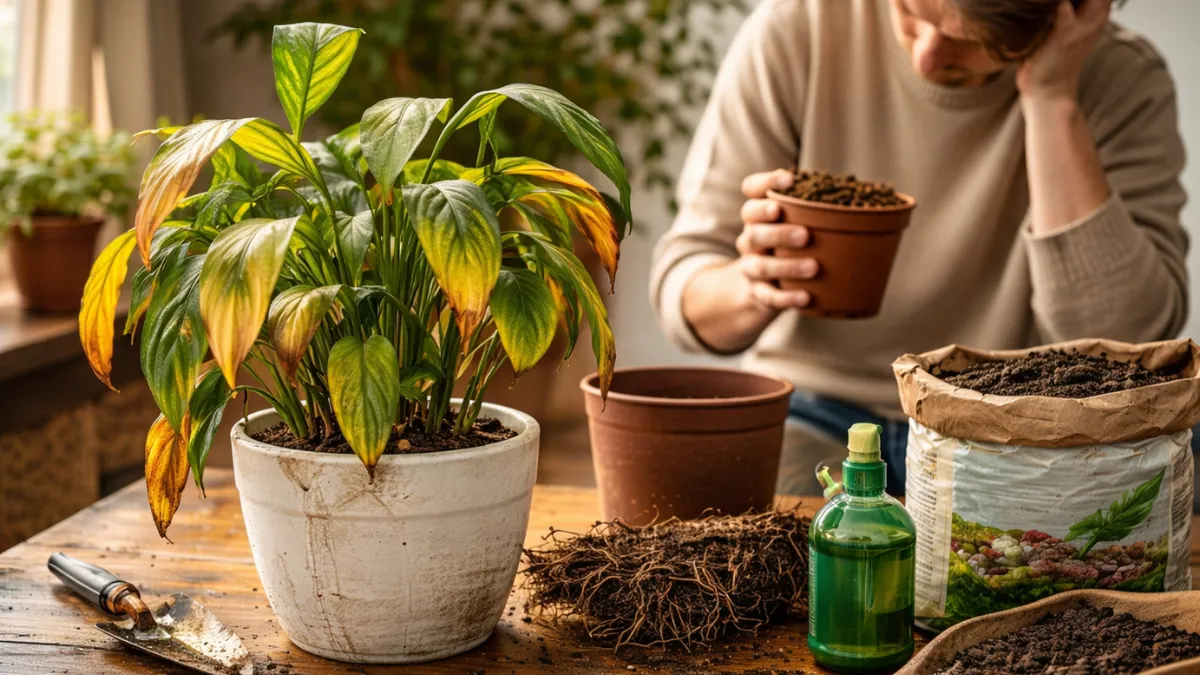
Understanding the real cause prevents unnecessary moving that only adds stress without addressing the root problem.
Moving a Plant: Do's and Don'ts Table
| Situation | Do | Don’t |
|---|---|---|
| Uneven growth | Rotate slowly every 2–3 weeks | Turn daily |
| Low light stress | Move closer gradually | Shift from shade to sun |
| Temperature issues | Choose stable zones | Place near heaters |
| Recovery phase | Keep location consistent | Move repeatedly |
How Long Does It Take for Plants to Adjust to a New Location?
Most indoor plants take two to four weeks to adjust to a new location. During this time, their growth may slow down as the roots and leaves readjust. This pause is normal and not a sign of failure.
Related Articles:
Why Indoor Plant Leaves Turn Yellow (Real Fixes)
Fast-growing plants adjust more quickly, while slow-growing plants may show a delayed response. Patience is more important than intervention during this period.
Final thoughts on plant placement
Indoor plants aren't tied to a single spot, but they do thrive on stable conditions. Once they've adjusted to the light, airflow, and temperature, frequent moving tends to cause confusion rather than benefit. If a plant looks healthy, consistency is often best. When adjustments are needed, small, gradual changes work better than sudden relocations, allowing the plants to adapt without unnecessary stress.
Related article:
Yellow Leaves on Indoor Plants? Heres What Experts Say