

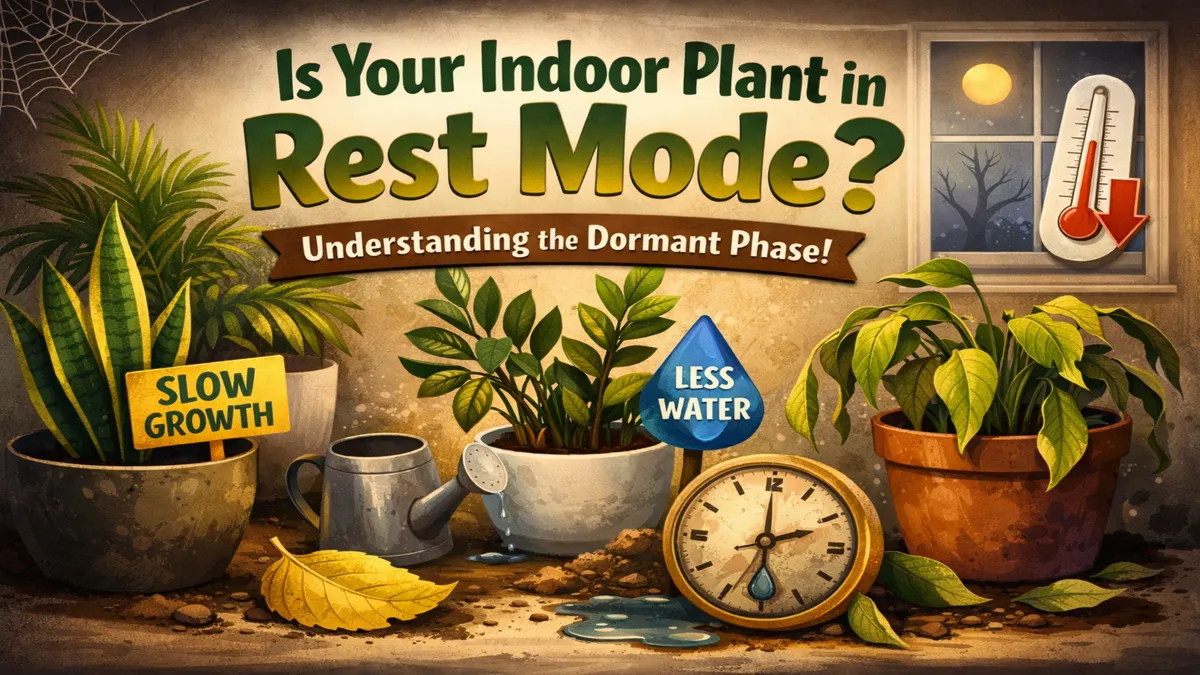
Indoor plants often live in stable environments where light and temperature remain consistent, leading many to wonder if they need a rest period like outdoor plants. I used to think rest was only necessary for outdoor plants, but over time I've learned that even indoor plants experience periods of slower growth, reduced leaf production, and decreased water needs. Understanding this dormant period helps prevent overwatering, stress, and long-term damage, especially during the darker months.
Quick Comparison:
• Best for low light : Snake Plant
• Best for fast growth : Pothos
• Best for beginners : ZZ Plant
• Best for air purification : Areca Palm
Related News



What a Rest Period Actually Means for Indoor Plants
An indoor plant's rest period isn't the same as complete dormancy like outdoor plants. Instead, it's a time of slowed growth where the plant conserves energy. For indoor plants, light, heat, and watering habits have a greater influence than the calendar.
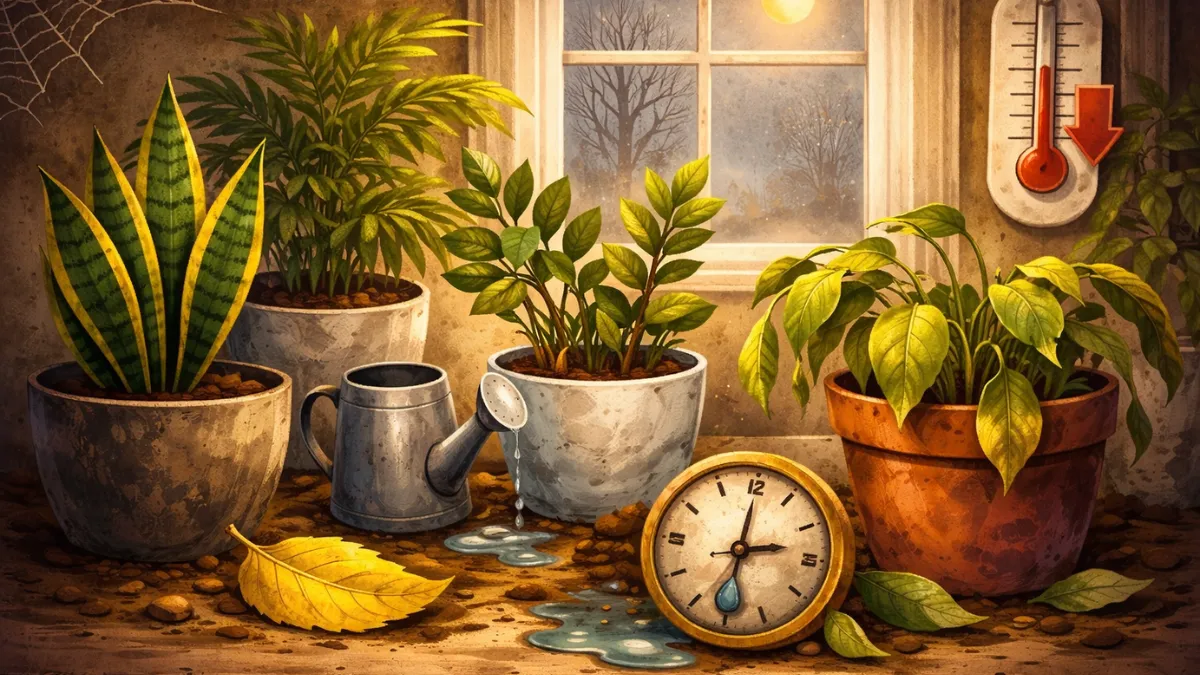
During this time, leaves grow more slowly, roots stop expanding, and water requirements decrease. The plant is still alive and healthy, just less active. Gentle care during this period helps prevent root rot and leaf stress.
Why Indoor Plants Slow Down Even Without Seasonal Changes
Even indoors, light levels naturally fluctuate throughout the year. Shorter daylight hours and less intense sunlight reduce photosynthesis. Plants respond by slowing their growth, even if the room temperature remains constant.
Heating systems can also dry out the air, disrupting the moisture balance. This causes the plant to adjust internally, focusing on survival rather than new growth. This response is natural and shouldn't be forced with excessive care.
Signs Your Indoor Plant Is Entering a Dormant Period
Slow growth is the most common sign. You may notice fewer new leaves or smaller leaf size. Water stays in the soil longer than usual.
Their leaves may remain healthy but stop growing. This is often mistaken for a problem, but the plant is simply adjusting its energy use.
Common Signs of Dormancy vs. What They Actually Mean
| Sign | What It Actually Means |
|---|---|
| No new leaves | Energy conservation |
| Soil stays wet longer | Reduced root activity |
| Pale older leaves | Lower light absorption |
| No flowering | Growth pause, not illness |
Should Watering Change During Plant Dormancy?
Yes, watering habits should change. Continuing the same schedule often leads to root problems. During dormancy, plants need less frequent watering because they use moisture more slowly.
Always check soil dryness rather than relying on a routine schedule. Dry topsoil is more reliable than a calendar. Overwatering during dormancy is more harmful than underwatering.
Fertilizing Indoor Plants During Dormancy
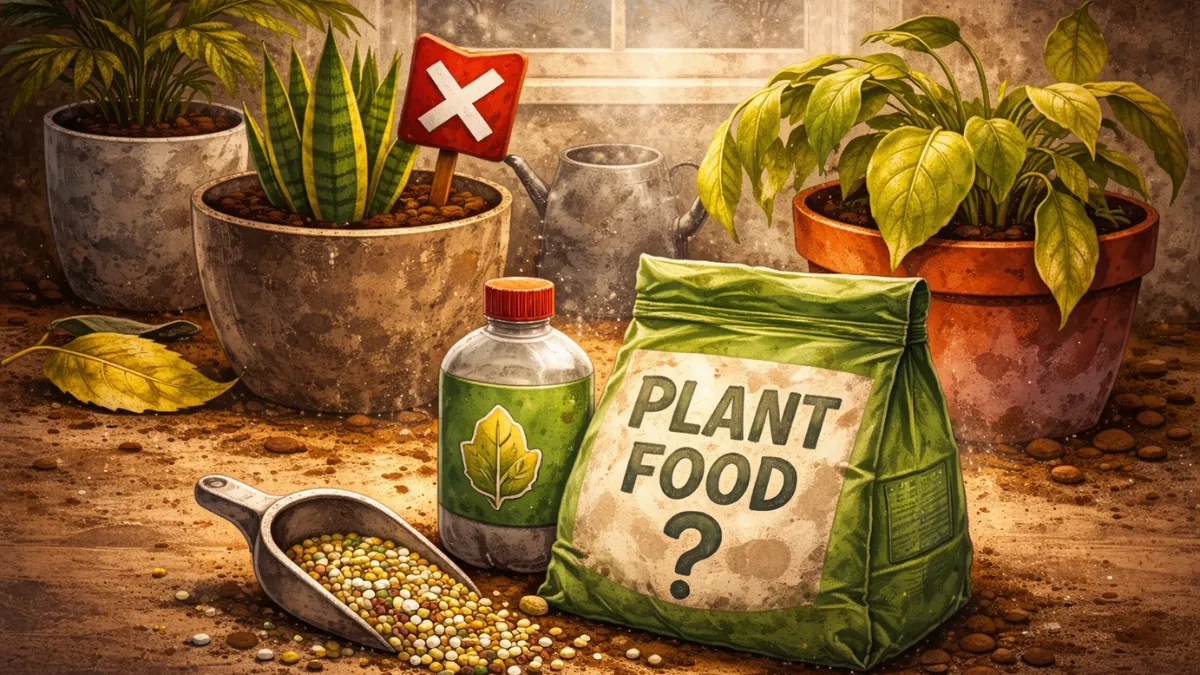
Fertilizer is generally not needed during dormancy. Because the plants aren't actively growing, the nutrients aren't used and can burn the roots if you fertilize anyway.
If growth has clearly stopped, discontinue fertilizing altogether. Only resume fertilizing when new leaves reappear. This protects the roots and maintains soil balance.
Why Indoor Plants Stop Growing : The 2025 Google-Trending Night Guide to Restarting Growth Fast[Link to related article here]
Do All Indoor Plants Need a Dormant Period?
Not all plants behave the same way. Tropical foliage plants slow down but don't completely stop. Succulents and cacti have a more pronounced dormancy and require very little water.
Plants kept under bright grow lights may continue to grow slowly. The key is to observe the plant, not to apply the same rules to all species.
What won't help during dormancy
Overwatering won't restart growth. Over-fertilizing won't wake the plant up. Frequent repotting will only stress the roots.
Plants go dormant for internal balance, not because something is lacking. Trying to force growth often leads to a prolonged decline rather than a quick recovery.
Related article:
Spider Plant Benefits for Indoor Air (Proven & Practical)
When Indoor Plants Resume Growth
Growth typically resumes when the light improves or the plant adjusts to its environment. New leaves then appear gradually, not overnight.
Once active growth returns, you can gradually return to your normal watering and fertilizing schedule. There's no need for sudden changes. Gradual adjustments work best.
Related article:
Spider Plant vs Snake Plant for Asthma : Which Is Safer?
Final Thoughts
Indoor plants don't go dormant in the same way outdoor plants do, but they still naturally slow down their growth. Respecting this phase prevents overwatering, root damage, and stress. Observing growth patterns and calmly adjusting care accordingly keeps plants healthy throughout the year, without resorting to unnatural growth stimulants or quick fixes.