

Quick Answer
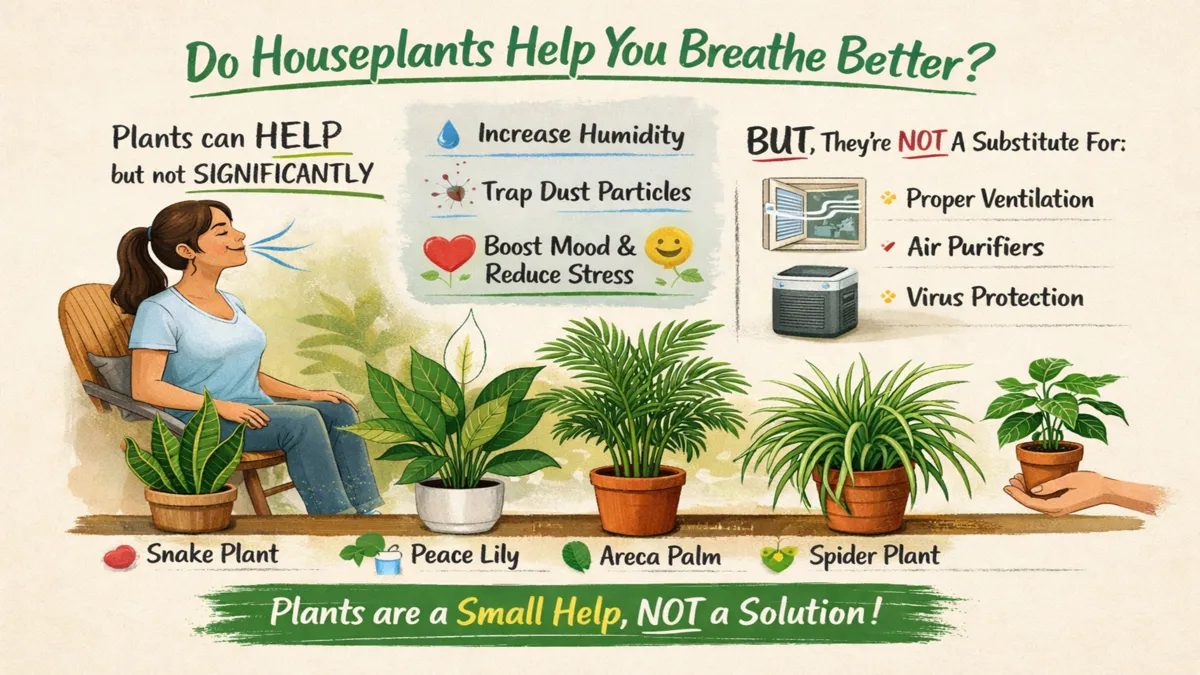
Indoor plants can help improve the air inside a home slightly, but on their own, they do not significantly purify the air or bring about any major improvements in breathing. Plants can increase air humidity, trap some dust particles, and create a fresher atmosphere, which in some cases may make breathing feel more comfortable.
However, ventilation, fresh airflow, and air filtration systems play a far greater role in indoor air quality than houseplants do.
Related News



Do Houseplants Help You Breathe Better?
Many people ask: Do houseplants help you breathe better?
The honest answer is : sometimes, but not significantly.
Plants interact with the air in several small ways:
• They release oxygen during photosynthesis.
• Some leaves trap dust particles.
• Plants can slightly increase indoor humidity.
• Microbes present in the soil can help break down certain types of pollutants.
These factors can make a room feel fresher, especially in dry indoor environments.
Based on my own experience of keeping dozens of plants at home, I have observed that rooms containing many plants often feel less stuffy particularly in winter when the windows remain closed. However, this difference is quite subtle, not substantial.
Therefore, while plants can contribute to creating a healthier environment, they cannot serve as a substitute for proper ventilation or air purifiers.
What Does NASA Say About Houseplants?
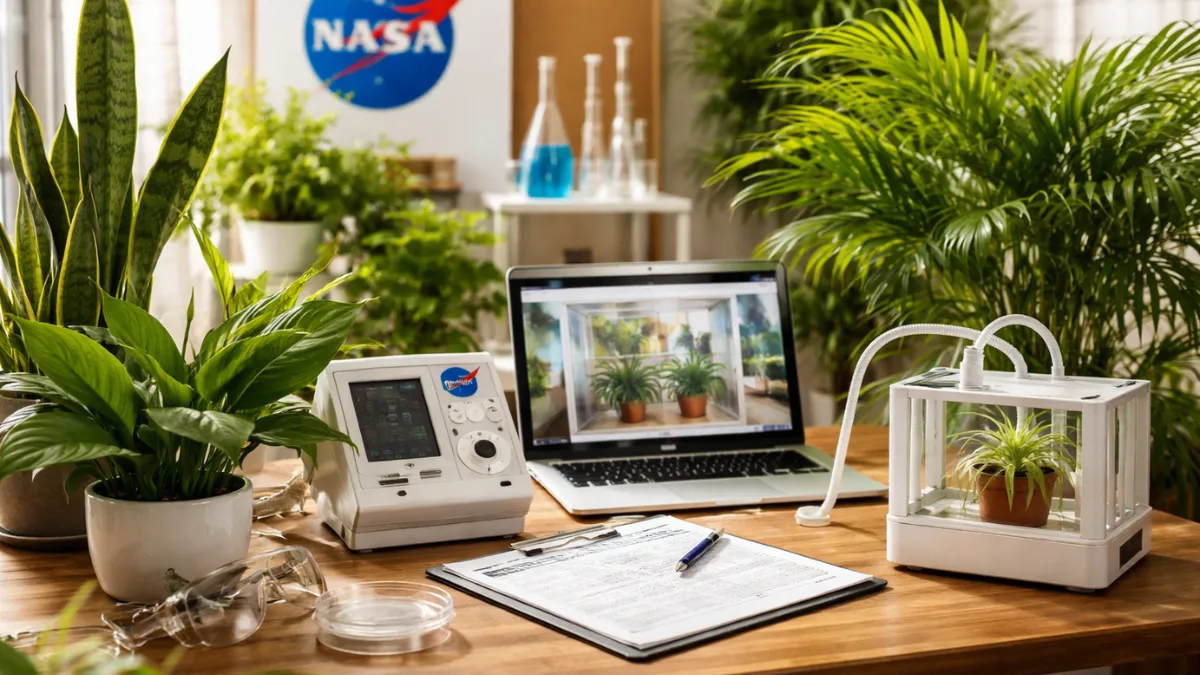
One famous experiment frequently cited online is NASA's Clean Air Study (1989). NASA researchers conducted experiments on plants to determine whether they could remove harmful chemicals such as:
• Benzene
• Formaldehyde
• Trichloroethylene
In sealed laboratory chambers, certain plants succeeded in absorbing small quantities of these pollutants.
However, modern scientists later pointed out a significant limitation
This experiment was conducted in a sealed laboratory environment, not in actual homes.
Actual homes feature the following conditions:
• Open airflow
• Ventilation
• Varying levels of pollution
Studies suggest that to achieve the same air-purifying capacity observed in NASA's tests, a room would require hundreds of plants a scenario that is impractical for most households.
Therefore, while NASA's study demonstrates that plants can remove specific chemicals, their impact on air quality within typical homes is minimal.
Do plants improve indoor air quality?
Indoor plants can contribute to slightly improving indoor air quality in several ways.
Trapping Dust
Leaves naturally collect dust particles present in the air.
This means that plants can help slightly reduce the amount of airborne dust. However, the dust remains on the leaves, making it necessary to clean the leaves regularly.
Moisture Balance
Plants release moisture through a process known as transpiration.
This can result in:
• A reduction in dry indoor air
• Easier breathing for some individuals
• Reduced irritation of the throat or nose
Psychological Benefits
Research consistently demonstrates that plants can improve mood, reduce stress levels, and enhance relaxation.
When people feel relaxed, breathing often feels easier and deeper; This may be one reason why people believe that plants aid in breathing.
The Best Indoor Plants for Respiratory Health
While no single plant can magically purify all the air inside a home, certain indoor plants are frequently recommended for creating a healthier indoor environment.
1. Snake Plant (Sansevieria)
Snake plants are popular because they:
• Release oxygen at night
• Are very easy to care for
• Can thrive even in low-light conditions
They are often recommended for bedrooms.
2. Peace Lily
Peace Lilies can help absorb certain indoor chemicals and increase humidity levels.
They also produce beautiful white flowers that brighten up indoor spaces.
3. Areca Palm
Areca Palms are known for their high transpiration rate, which means they release more moisture into the air.
This can help alleviate dry indoor air, particularly in air-conditioned rooms.
4. Spider Plant
Spider plants are easy for beginners to care for and are excellent for:
• Trapping dust on their leaves
• Adapting to various lighting conditions
• Producing numerous small new plantlets
• Do plants help remove dust?
Plants can trap dust, but they do not remove it permanently.
Dust accumulates on leaves, which means you should:
• Wipe the leaves with a damp cloth
• Occasionally rinse the plants
• Prevent a thick layer of dust from settling
If leaves remain dusty, plants actually lose their ability to interact effectively with the air.
Early in my plant care journey, I made a mistake I never cleaned the leaves of my plants. Months later, the leaves looked lifeless and dusty. Once I started cleaning them, the plants appeared much healthier, and the room felt fresher, too.

Also Read: Spider Plant vs Snake Plant for Asthma : Which Is Safer?
Do Indoor Plants Help with Breathing During COVID?
During the COVID pandemic, many people searched for this:
Do indoor plants help with breathing during COVID?
Plants do not provide protection against viruses, including COVID-19.
They cannot do the following:
• Kill airborne viruses
• Prevent infection
• Replace medical ventilation systems
Nevertheless, plants can offer assistance in certain indirect ways:
• Improving mental well-being
• Reducing stress
• Creating a calming indoor atmosphere
For respiratory health, proper ventilation, air filtration, and cleanliness are far more critical.
Fact Check: Misconceptions vs. Reality
Misconception: Plants significantly purify indoor air.
Reality: In typical homes, their impact on air purification is minimal.
Misconception: Certain plants can serve as substitutes for air purifiers.
Reality: You would need hundreds of plants to achieve the same effect as a filtration system.
Misconception: Plants remove viruses from the air.
Reality: Plants do not completely eliminate airborne viruses.
Reality: Plants can offer some relief.
Plants can help maintain humidity levels, trap dust particles, and improve mental well-being.
Simple Ways to Improve Indoor Air Quality Using Plants
If you want plants to play a positive role in enhancing your home's indoor environment:
1. Keep plenty of plants
A single small plant won't make much of a difference.
2. Clean the plant leaves regularly
Dust clogs the pores on the leaves.
3. Pay attention to ventilation alongside your plants
The circulation of fresh air is crucial.
4. Avoid overwatering your plants
Damp soil can lead to mold growth.
5. Choose hardy and easy-to-maintain plants
Healthy plants interact with the air much more effectively.
How Do Plants Clean the Air? (In Simple Terms)
Plants interact with the air through three natural processes:
1. Photosynthesis – Plants absorb carbon dioxide and release oxygen.
2.Transpiration – Leaves release water vapor into the air.
3. Microbial Activity in the Soil – Certain beneficial microorganisms can break down and eliminate specific types of pollutants.
These processes occur very slowly; consequently, plants can only bring about a very modest improvement in indoor air quality.
Conclusion
Indoor plants do not significantly improve breathability, nor do they completely purify the indoor air; nevertheless, they can still play a small, positive role.
They can help in the following ways:
• Increasing humidity levels in the air
• Trapping dust particles
• Making the indoor environment feel fresher and more serene
Based on my own years of experience keeping indoor plants, I have learned that their greatest benefit lies not in purifying the air, but rather in creating a healthier and more peaceful living environment. Consider plants as natural companions for your indoor space, rather than as a substitute for proper ventilation or air purifiers.
Written from real indoor plant care experience for IndoorPlantify.