


Indoor plants make the bedroom feel calm, fresh, and vibrant. I personally started keeping plants near my bed during a stressful time, when I was experiencing light and restless sleep. Within a few weeks, the room felt more peaceful—but I also wondered: Was I really sleeping better, or was it just feeling that way? Let's see what science says about whether plants actually improve sleep quality.
Quick Answer:
Related News


Indoor plants may indirectly improve sleep by reducing stress, slightly increasing humidity, and improving air freshness. However, scientific evidence suggests that they don't significantly increase oxygen levels or directly address sleep problems.
How Plants Can Affect Sleep
When people ask if indoor plants really improve sleep, they usually think about oxygen and air purification. But sleep is affected by many factors:
• Stress level
• Air quality
• Humidity
• Light exposure
• Psychological comfort
Plants may impact some of these, but not all.
Do plants increase oxygen at night?
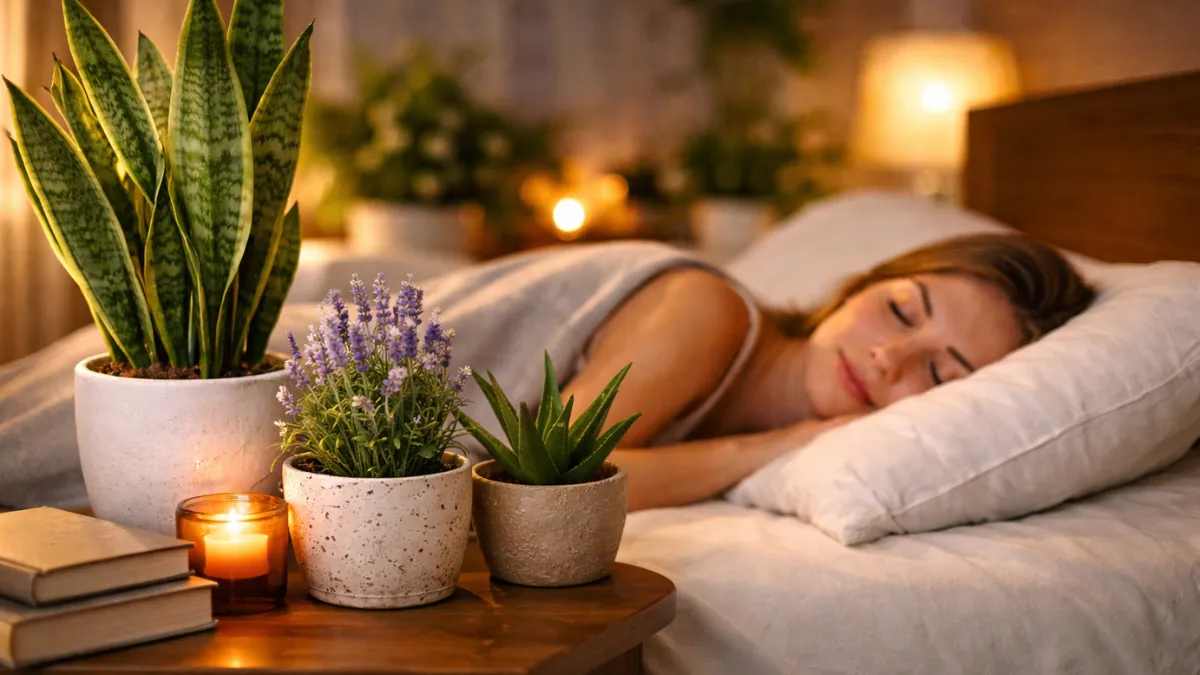
A common misconception is that bedroom plants release oxygen while you sleep. Most plants actually release oxygen during the day and absorb oxygen at night.
However, some plants, like the snake plant, use a process called CAM photosynthesis, allowing them to release small amounts of oxygen at night.
But the truth is:
The oxygen released by one or two plants is so small that it won't significantly affect bedroom oxygen levels.
If you're wondering which indoor plants release oxygen for a good night's sleep, the answer is the snake plant and aloe vera, but their effects are very minor.
Can plants improve air quality enough to help with sleep?
You've probably heard about NASA's famous study on air-purifying plants. The NASA Clean Air Study showed that some plants can remove toxins under controlled lab conditions.
However, real bedrooms are different from sealed lab chambers.
Research shows that you'd need several plants in a small room to make a measurable difference in air cleanliness.
So if you're asking whether air-purifying plants help you sleep better, the answer is: maybe indirectly, but not by much.
Stress Reduction : The Strongest Scientific Link
This is where plants really shine.
Numerous studies show that being around greenery lowers heart rate and cortisol (the stress hormone). Reduced stress directly improves sleep quality.
When I placed a small lavender plant near my bed, I found its scent to be calming at night. Scientific studies show that the scent of lavender can improve relaxation and sleep onset.

So if you're wondering if indoor plants can reduce anxiety at night, this is where the evidence is strongest.
Plants help by calming your nervous system.
Humidity and Breathing Comfort
Plants release moisture through transpiration. In dry climates or air-conditioned rooms, this can slightly improve humidity.
Improved humidity can reduce:
• Dry throat
• Sinus irritation
• Nighttime cough
People often ask if indoor plants are good for dry air in the bedroom. The answer is yes, but only moderately. A few small plants can't replace a humidifier.
Psychological Comfort and Sleep Quality
There's a psychological component to this as well.
When your room feels natural and cozy, your brain associates it with safety and comfort. This can make it easier to fall asleep.
If you're asking why plants make bedrooms more cozy, it's partly due to biophilia, our natural connection to living things.
Seeing greenery before bed can also gradually reduce mental stress.
The Best Plants Commonly Used for Sleep
Here's a comparison of popular bedroom plants:
| Plant | Oxygen at Night | Aroma Benefit | Low Maintenance | Sleep Impact Level |
|---|---|---|---|---|
| Snake Plant | Small amount | No | Very easy | Mild |
| Lavender | Minimal | Strong calming scent | Moderate | Moderate |
| Peace Lily | No | No | Moderate | Mild |
| Aloe Vera | Small amount | No | Easy | Mild |
Many readers search for the best indoor plants for sleep quality, and while these are popular, expectations should be realistic.
What Didn't Work (My Own Experience)
There was a time when I planted six plants in my small bedroom, thinking that more plants would help me sleep more deeply.
It didn't.:
The room felt stuffy, and I started focusing more on maintenance than on relaxation. That's when I realized that balance matters.
If you're wondering how many plants to keep in a bedroom for good sleep, 1–3 medium-sized plants are usually enough for relaxation without unnecessary clutter.
Do plants release carbon dioxide at night?
Another common question is whether plants release carbon dioxide during sleep. Most plants actually release a small amount of CO₂ at night. This amount is very small and harmless, but they don't filter the air at night.
Ventilation is more important than the number of plants.
Limitations You Should Know
Plants Can't:
• Cure insomnia
• Replace good sleep hygiene
• Remedy sleep apnea
• Replace medical treatment
If you're wondering if bedroom plants can naturally treat insomnia, the answer is no.
They're supportive tools, not a medical solution.
Who benefits most from bedroom plants?
Plants can help people who:
• Feel stressed before bed
• Enjoy natural decor
• Live in a slightly dry environment
• Prefer inexpensive relaxation methods
If you're asking whether indoor plants are worth keeping in the bedroom for sleep, they're worth keeping for ambiance and stress reduction, not for the miracle of oxygen production.
Internal Links
To learn more about oxygen misconceptions, read:
Do Indoor Plants Give Oxygen at Night? Myth vs Fact Explained
For air-quality comparisons, read:
How Many Plants Do You Need in a Bedroom for Noticeable Air Improvement?
Final Thoughts
Indoor plants don't magically change sleep chemistry. But they can reduce stress, improve the feeling of freshness, and make the bedroom feel calmer.
This alone can contribute to better rest.
In my own experience, a calming plant near the bed has more impact than filling the entire room. Your sleep improves when your mind feels safe and relaxed—and plants gently support that atmosphere.
Written for IndoorPlantify from real experience with indoor plant care.