

Living with dogs means being extra careful about what comes into your home, especially when it comes to plants. Many popular indoor plants can cause vomiting, irritation, or even worse problems if ingested. The good news is that many beautiful indoor plants are perfectly safe for dogs and are also easy to care for. This guide focuses exclusively on non-toxic indoor plants that won't put your dog at risk, even if they occasionally chew on leaves or knock over pots while playing.
Short Answer:
Related News



Spider plants, Areca palms, Calathea, Boston ferns, and Bamboo palms are some of the best indoor plants that are safe for dogs, as they contain no toxic compounds and are widely recommended for homes with pets.
Why Safe Indoor Plants for Dogs are Important
Many dog owners wonder if indoor plants are dangerous for dogs after unexpected vet visits. Because dogs explore things with their mouths, even a single leaf from a toxic plant can cause digestive problems. Choosing non-toxic plants eliminates this constant worry and allows you to decorate your home stress-free.
Best Indoor Plants Safe for Dogs
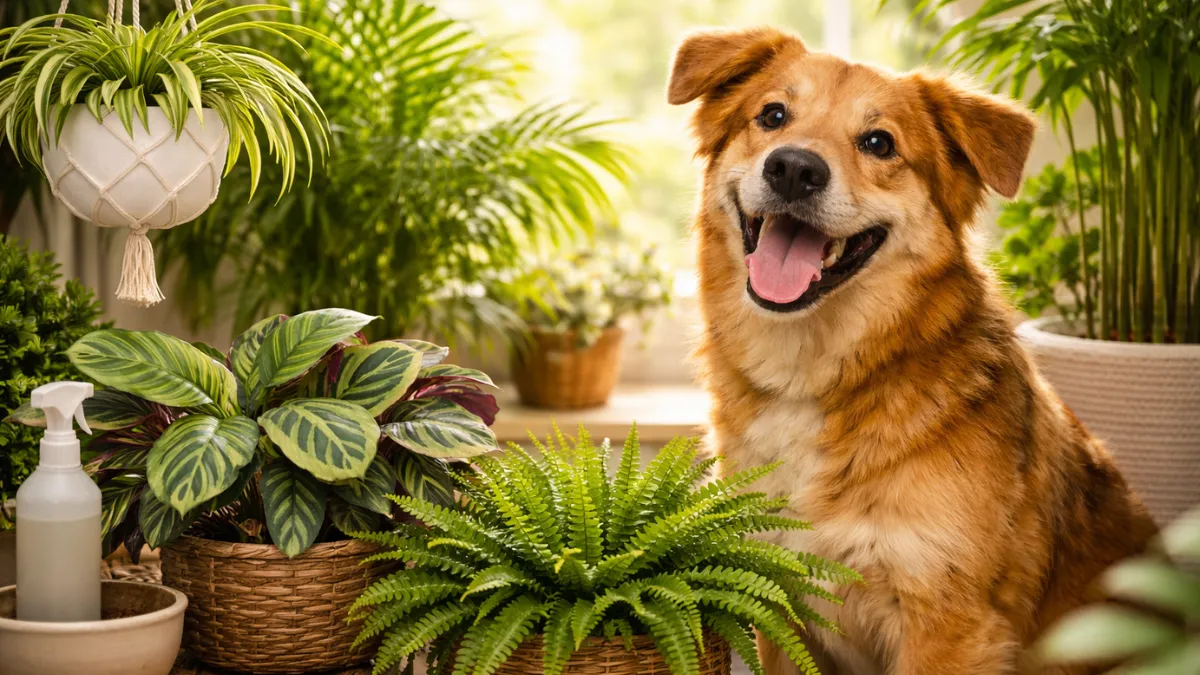
1. Spider Plant (Chlorophytum comosum)
The spider plant is one of the safest and most robust options. If you're wondering if dogs can safely chew on spider plant leaves, the answer is yes, as this plant is non-toxic and easy to grow.
How they work:
• Bright but indirect sunlight
• Helps improve indoor air quality
• Ideal for hanging baskets
2. Areca Palm
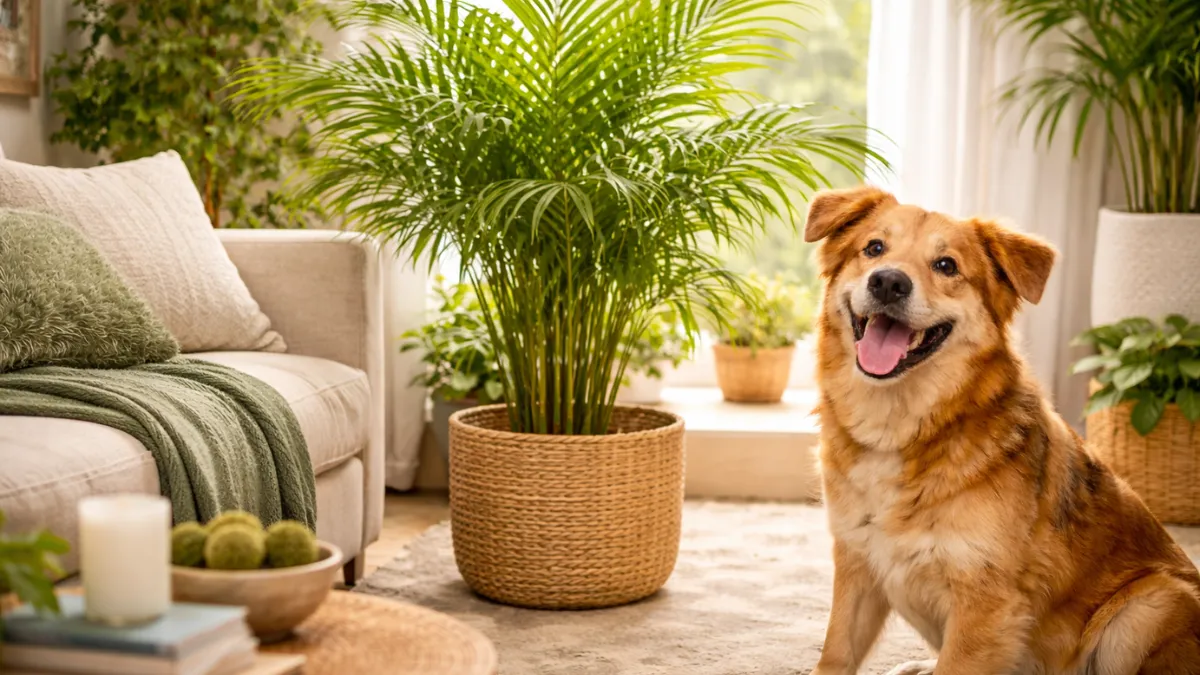
The Areca palm adds height and elegance without any risk. Many pet owners ask which indoor palms are safe for dogs, and this is one of the best.
How they work:
• Non-toxic for dogs
• Thrives in bright rooms
• Great for living spaces
3. Calathea (Prayer Plant Family)
Calatheas are known for their patterned leaves and movement. If you're looking for pet-safe plants with decorative foliage, Calathea is a perfect fit.
How they work:
• Safe for dogs and cats
• Prefers low to medium light
• Requires consistent moisture
4. Boston Fern
The Boston Fern is completely safe for dogs and lush. People often ask if ferns are poisonous to dogs indoors, and the answer is no.
How they work:
• High humidity lover
• Works well in bathrooms
• Soft, non-irritating leaves
5. Bamboo Palm
The Bamboo Palm is another non-toxic option for homes with dogs. For those wondering which floor plants are safe for dogs, this is a great choice.
How they work:
• Pet-safe and air-purifying
• Slow-growing
• Good for corners
Comparison Table : Safe Indoor Plants for Dogs
| Plant Name | Toxic to Dogs | Light Needed | Best Placement |
|---|---|---|---|
| Spider Plant | No | Bright indirect | Hanging pots |
| Areca Palm | No | Bright filtered | Living room |
| Calathea | No | Low–medium | Bedroom |
| Boston Fern | No | Indirect + humidity | Bathroom |
| Bamboo Palm | No | Medium light | Floor corners |
Real-Life Dog-Friendly Home Experience
I have kept Spider Plants and Calatheas in a home with a playful dog who chews on everything within reach. Even after occasionally chewing on the leaves, there have been no health issues or behavioral changes. However, one thing that didn't work was placing plants directly on the floor; digging in the soil became a bigger problem than toxicity.
Important Limitations to Know
Even non-toxic plants can cause mild stomach upset if ingested in large quantities. If you're asking whether non-toxic plants are completely safe for dogs, the honest answer is: safer, but not chew-proof. Training and proper placement still matter.
Where to Place Dog-Safe Plants
For homes with energetic dogs, tall stands or hanging planters work best. If you're looking for how to stop dogs from damaging indoor plants, height is often more effective than deterrent sprays.
Also Read : Pet-Safe Indoor Plants for Dogs (Real Household Guide)
Purpose Clarity
This article is intended to help dog owners confidently choose indoor plants without risking their pet's health.
Written from real indoor plant care experience for IndoorPlantify.