

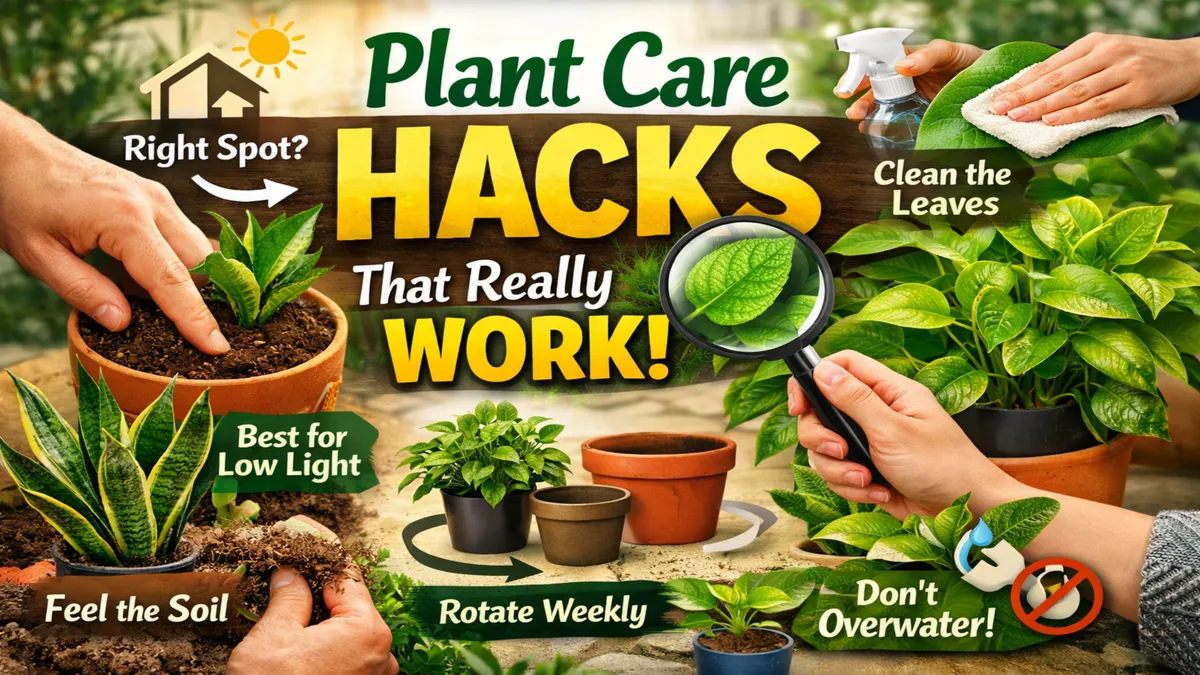
Many people find indoor gardening easy, but many others struggle with problems like yellowing leaves, slow growth, or sudden plant death. Over the years, experts and seasoned plant lovers have learned some simple tricks that actually work. These aren't fancy methods or expensive tools; just honest, tried-and-true hacks that quietly help keep plants healthy. If you want stress-free indoor plants, these tips can truly transform your daily plant care routine.
Quick Comparison :
Best for Low Light : Snake Plant
Best for Fast Growth : Money Plant
Best for Beginners : Pothos
Best for Air Purification : Areca Palm
Related News
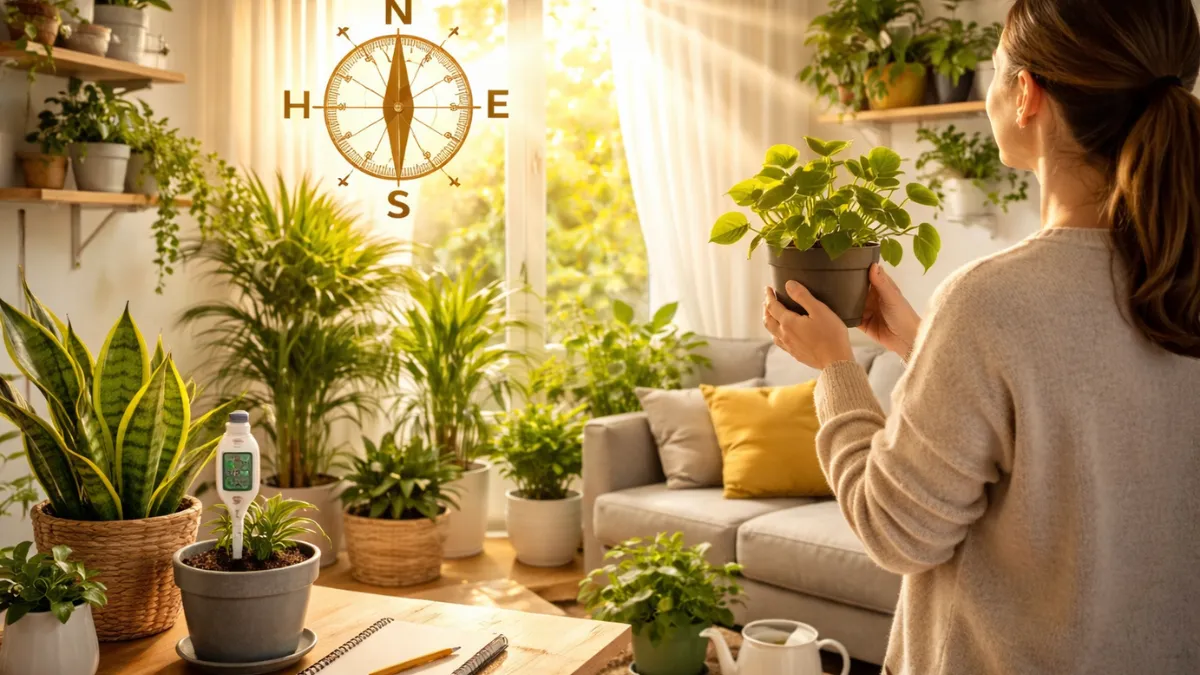
Understand Your Home Before Buying Plants
Many indoor plant problems begin even before the plant enters your home. That's because the direction of light, room temperature, and daily activity matter more than people realize. Experts always recommend observing your space for a few days before choosing plants that will naturally thrive in that environment.
Plants get stressed when placed in the wrong spot. A high-light plant in low light or a shade-loving plant in direct sunlight will simply struggle. Choosing plants suited to your home saves effort, money, and frustration.
Stop Watering on Fixed Days
This is one hack that most experts strictly follow. Plants don't understand calendars; they only respond to the moisture level in the soil. Watering every Sunday sounds good, but if the soil remains wet, it slowly damages the roots.
Instead, feel the soil. If the top inch of soil feels dry, water gently. If it feels cool and moist, wait. This simple habit prevents root rot and keeps plants strong for longer.
How Experts Check for Daily Watering Needs
Experts gently press the soil near the edge of the pot, not the center. This is because the edges dry out faster and give a better indication of moisture levels. They also lift the pots. A light pot means it's time to water.
Use the Right Size Pot, Not Oversized Ones
Many beginners think larger pots help plants grow faster. However, experts avoid this mistake. Larger pots retain more water, which can suffocate the roots. Plants thrive best when their roots feel slightly snug.
A good rule of thumb is to increase pot size gradually. Only go up one size at a time. This keeps the roots active and prevents fungal problems in the soil.
Pot Size Guide for Indoor Plants
| Plant Size | Ideal Pot Size | Common Mistake | Expert Fix |
|---|---|---|---|
| Small cutting | 4–5 inch | Large decorative pot | Start small |
| Medium plant | 6–8 inch | Deep pot | Use wide pot |
| Mature plant | 10–12 inch | Frequent repotting | Repot yearly |
Clean Leaves Like You Clean Furniture
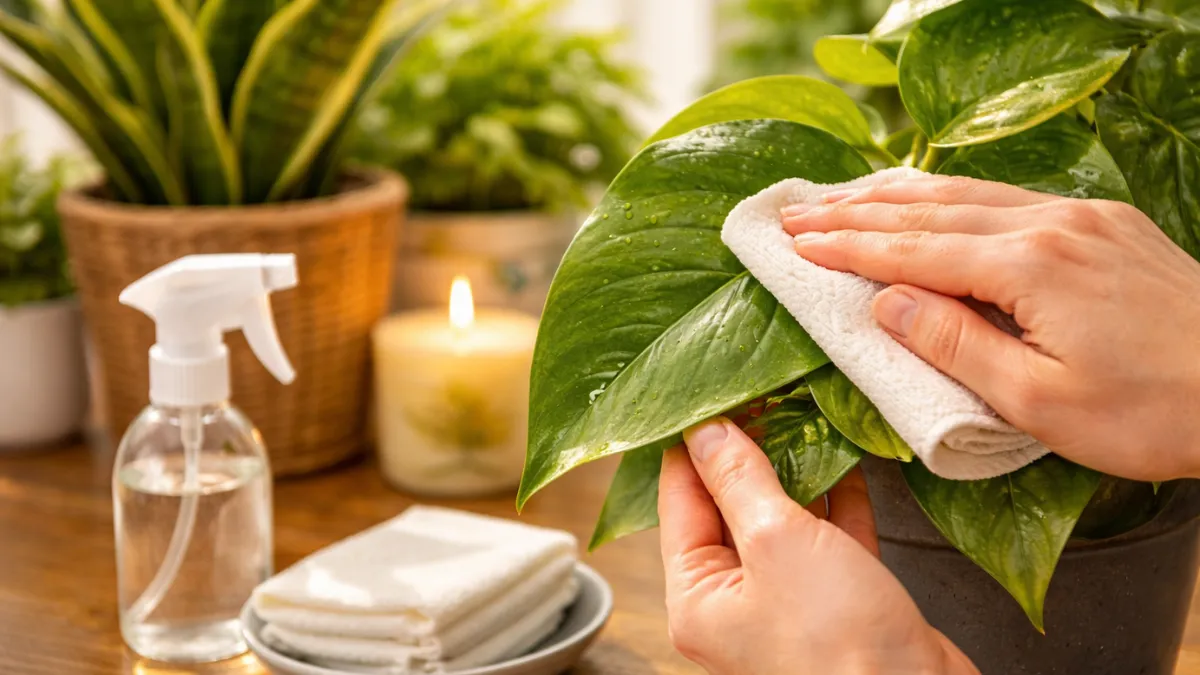
Dusty leaves often can't breathe properly or absorb light effectively. Experts gently wipe the leaves every two weeks. This improves the plant's shine, growth, and resistance to pests.
Use a soft cloth and plain water to clean the leaves. Avoid milk, oil, or chemical sprays. Clean leaves show that the plant is being cared for and naturally reduces pest infestations.
Related articles :
Best Indoor Plants for Beginners (No Gardening Experience Needed)
Related articles:
Best Indoor Plants for Self-Watering Pots (Smart Gardening)
Related articles:
Bur Ka Potato Benefits, Uses & Side Effects (2026 Tested)
Rotate plants gradually for balanced growth
Indoor plants always lean towards the light. Experts rotate pots slightly each week, not daily. Sudden rotations confuse plants and can cause leaves to drop.
Gradual rotation ensures even growth on all sides. Plants remain balanced, bushy, and strong without stress.
Use kitchen waste cautiously
Experts sometimes reuse kitchen waste, but in moderation. Banana peels, tea water, or rice water should be diluted and used sparingly. Overuse leads to fungus and
unpleasant odors.
The safest method is compost tea made from well-rotted compost. Even this is used only once a month. Underfeeding keeps roots healthier.
Air circulation matters more than you think
Stagnant air encourages pests and fungi. Experts place plants where there's natural airflow, such as near windows or open spaces. Fans can help, but shouldn't be directed straight at the plants.
Good airflow keeps leaves dry and reduces disease without chemicals.
Don't panic at a single yellow leaf
Experts don't panic when a single leaf turns yellow. Plants naturally shed older leaves. Panicking and cutting, moving, or overwatering does more harm than good.
Instead, look for patterns. Multiple yellow leaves indicate a care issue. A single yellow leaf usually means a normal growth cycle.
Final Tips
Indoor gardening becomes easier when you stop striving for perfection with your plants. Experts rely on working slowly, providing gentle care, and having patience. Observe your plants daily, feel the soil, clean the leaves, and make gradual adjustments. Plants communicate slowly, but once you understand their signals, they will reward you with continuous growth and calming green energy in your home.