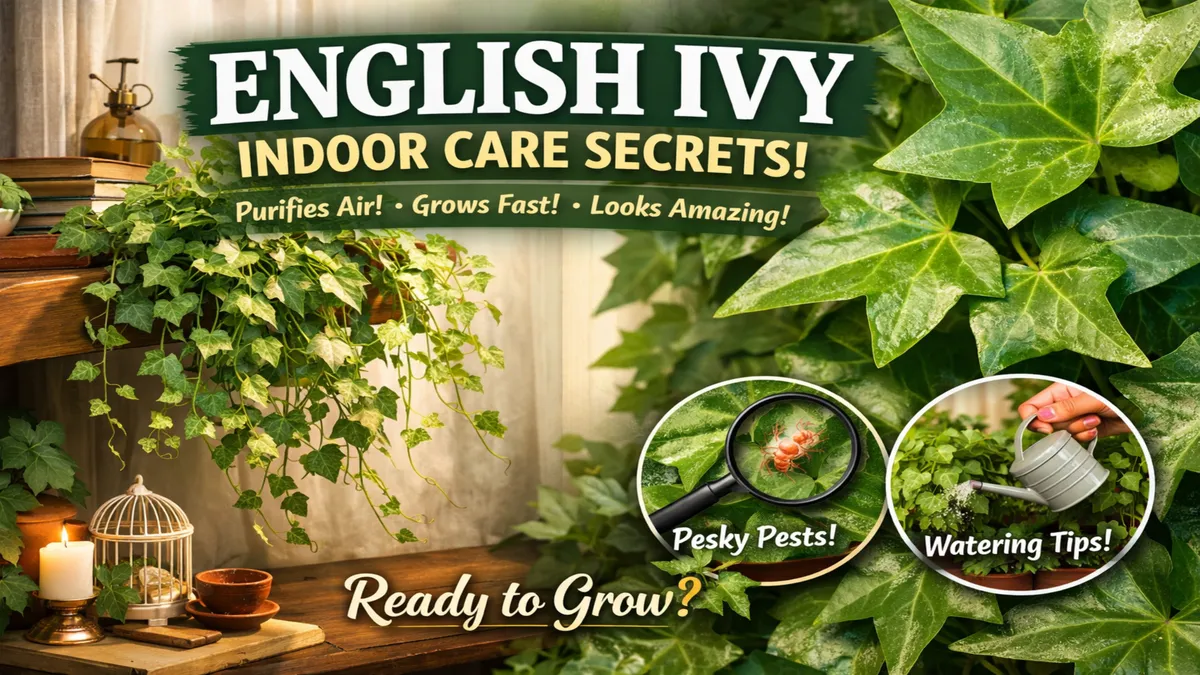
English ivy has become one of the most popular indoor plants due to its air-purifying reputation, trailing beauty, and adaptability. This guide explains real care needs and trends.
✨
AI summarized this news · Reviewed by Indoor Plantify
English ivy is quietly making a comeback as a favorite indoor plant – and not just because it looks beautiful trailing from a shelf. Many plant enthusiasts are rediscovering its air-purifying qualities, rapid growth, and classic charm. However, growing English ivy indoors isn't as easy as social media might suggest. With the right setup and realistic expectations, it can thrive. This comprehensive guide explains how to care for English ivy indoors and why it's suddenly trending again among houseplant lovers.
Yes, English ivy can grow well indoors if it receives bright, indirect light, cool temperatures, consistent moisture, and good air circulation. It's not a low-maintenance plant, but with proper care, it will produce lush, trailing growth.
Why is English ivy trending again indoors?
English ivy is trending because it fits into modern indoor aesthetics while also offering practical benefits.
People are looking for plants that:
• Naturally trail from shelves and walls
• Have a vintage yet minimalist look
• Are associated with purifying indoor air
English ivy checks all these boxes. It's also frequently featured in apartment tours, plant reels, and "European-style home" decor trends.
However, its trending popularity doesn't mean it's entirely foolproof.
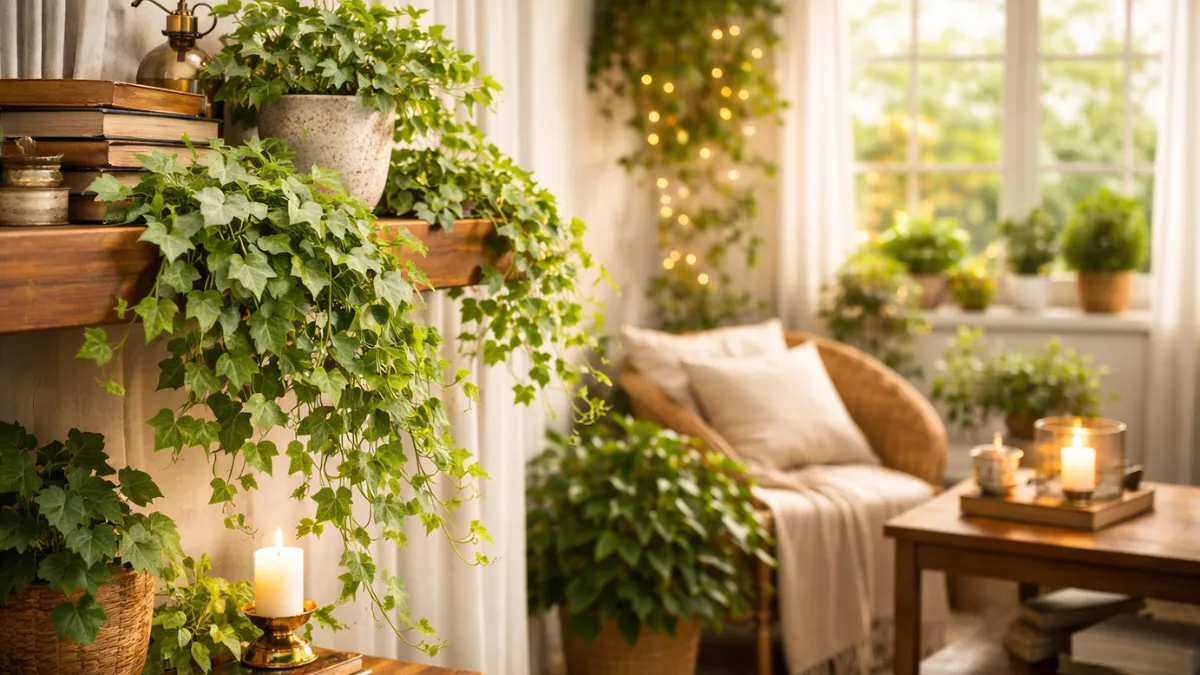
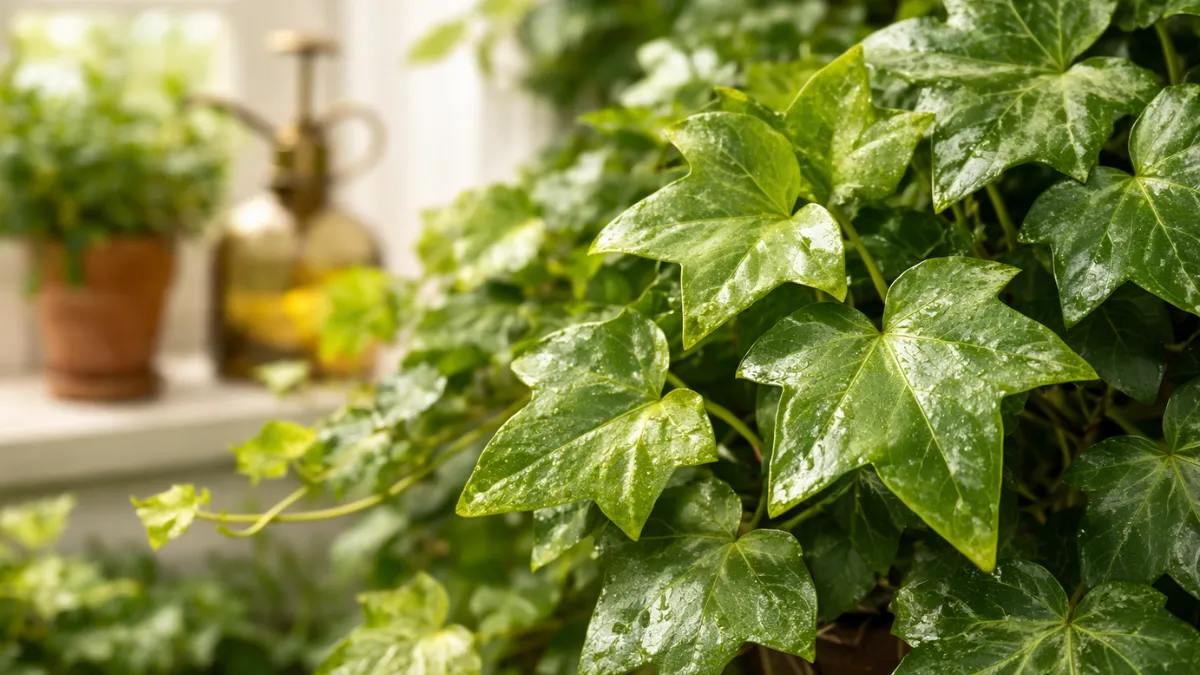
File Photo : Decorative indoor setup showcasing English ivy as a stylish houseplant choice.
Indoor Light Requirements for English Ivy
English ivy prefers bright, indirect light.
Best location : Near an east- or north-facing window
• Can tolerate low light but growth will be slower
• Low light can cause leggy growth and yellowing leaves
• Direct sunlight can scorch the leaves, especially through glass.
My Own Experience:
I once placed my ivy too close to a sunny window, thinking more light would encourage faster growth. But the leaves scorched within days, and simply moving it back solved the problem.
How Often to Water English Ivy Indoors
Watering is where most problems begin.
• Keep the soil lightly moist, never soggy.
• Water when the top inch of soil feels dry.
• Water less frequently in winter.
Signs of Watering Problems:
Problem
What It Means
Yellow leaves
Overwatering
Dry, crispy edges
Underwatering
Wilting despite wet soil
Root stress
What Didn't Work for Me:
Placing the pot inside a decorative planter led to root rot within a few weeks. Proper drainage is crucial.
Ideal Temperature and Humidity
English ivy prefers cool indoor conditions.
Ideal temperature : 55–70°F (13–21°C)
• It doesn't like hot, dry rooms.
• Benefits from higher humidity.
Tips:
• Keep away from heaters.
• Mist lightly or use a pebble tray.
• Bathrooms with indirect light are ideal.
Best Soil and Pot for English Ivy
Use a well-draining potting mix.
• Standard indoor mix + perlite
• Pots must have drainage holes.
• Repot every 1-2 years.
Heavy soil will always compact the roots, even with proper watering.
File Photo : Glossy, vibrant ivy leaves indicating proper indoor care and ideal growing conditions.
Does English Ivy Really Purify the Air?
English ivy gained popularity after early NASA studies. While it can't replace ventilation, it can help improve indoor air quality in small ways.
Limitations:
Its air-purifying benefits are modest and only noticeable with many healthy plants – not just one pot. Common Indoor English Ivy Problems
This guide was written to help indoor plant owners understand the benefits and realistic care requirements of English Ivy. Without exaggeration or shortcuts.
Written for IndoorPlantify from real indoor plant care experience.
Follow Us On Social Media
Join the Discussion
No discussions yet. Be the first to start one!
Expert FAQs
Is English ivy easy to grow indoors?
English ivy can grow successfully indoors when placed in bright, indirect light and watered only after the top inch of soil dries. Overwatering and low light are among the most common causes of plant stress.
How often should you water English ivy indoors?
Water when the top inch of soil feels dry and ensure excess water drains properly, as soggy soil can quickly lead to root rot.
Why are my English ivy leaves turning yellow?
Yellow leaves often signal overwatering or excessive direct sunlight, both of which can damage the plant if not corrected early.
What is the best light for English ivy indoors?
English ivy prefers bright, indirect light. Too little light can produce weak, stretched growth, while direct sun may scorch the leaves.
What temperature does English ivy prefer indoors?
The plant thrives in cooler indoor conditions, typically around 50–70°F (10–21°C), making it suitable for moderately cool rooms.
Why does indoor English ivy get brown leaf edges?
Dry indoor air can cause leaf edges to brown or curl, so increasing humidity with misting or a tray of water can help maintain healthy foliage.
What pests commonly affect English ivy indoors?
Spider mites, aphids, and mealybugs are frequent pests, especially when indoor air is dry. Regular inspection helps prevent severe infestations.
Can English ivy tolerate low light indoors?
It can tolerate lower light but will grow slower and may become leggy, so filtered brightness is recommended for fuller growth.