

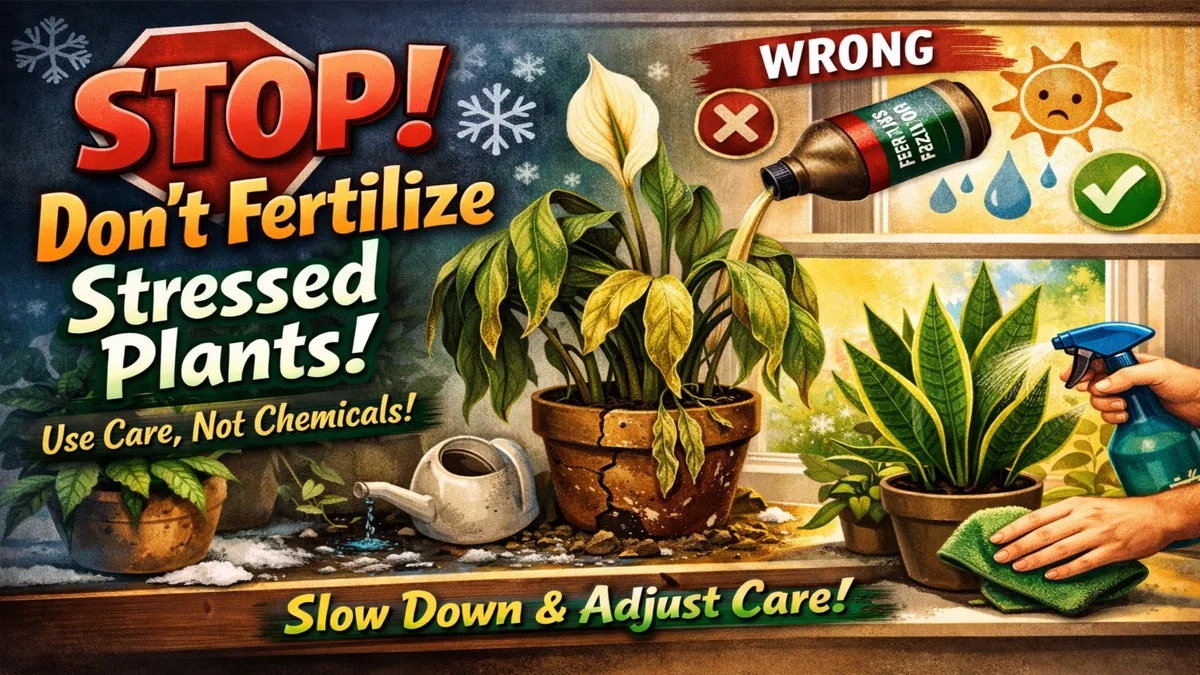
The growth of indoor plants often slows down during winter or periods of stress. Many gardeners wonder whether fertilizing at this time is beneficial or harmful. In my experience, indiscriminate fertilizing during these periods can actually stress the plant further. Their slower growth is normal, and the plant is still utilizing stored nutrients. Careful observation and gentle care make a big difference. With a few simple adjustments, your plants can remain healthy without forced growth.
Why This Problem Occurs
Plants enter a period of slower growth for several reasons. Changes in weather, especially reduced light and cooler temperatures, decrease their energy levels. The need for fertilizer decreases because the roots absorb less.
Related News
Another cause is stress from repotting or pest infestations. Fertilizing in these situations can burn the roots or cause yellowing leaves. Understanding the root cause helps you provide the right care without over-fertilizing.
Signs Your Plant Is Stressed
Some signs are subtle, but they clearly indicate your plant is stressed. Look for yellowing leaves, drooping stems, or dry soil. These often indicate nutrient or water issues, not always a lack of fertilizer.
Also read : Why Indoor Plants Look Healthy but Stay Dormant
Examples
• A peace lily with drooping leaves recovered after adjusting its watering and light exposure.
• A snake plant had yellowing leaves, but when we stopped fertilizing and increased indirect sunlight, it began to thrive.
What Actually Works in Real Homes
During periods of slow growth, it's best to take a less-is-more approach. Reduce fertilizing and focus on proper watering, light, and humidity. Use a diluted fertilizer solution only when necessary.
Small changes that help a lot
• Rotate plants for even light exposure.
• Clean leaves to improve photosynthesis.
• Keep soil slightly moist but not wet.
| Mistake vs Correct Action | Why It Matters | Quick Fix |
|---|---|---|
| Fertilizing heavily in winter | Can burn roots and stress plant | Skip or dilute fertilizer 50% |
| Ignoring slow growth signs | Leaves may yellow or drop | Adjust water, light, and humidity first |
| Using wrong fertilizer | Nutrient imbalance | Match fertilizer to plant type |
| Fertilizing dry soil | Nutrients can shock roots | Water lightly before fertilizing |
| Overwatering while fertilizing | Root rot risk | Water moderately, then apply diluted fertilizer |
Also read : Overwatering Is not the Problem : The Real Reason Your Plants Are Dying
Common Mistakes People Make
Many gardeners over-fertilize, thinking it will accelerate plant growth. Others overlook problems with light, water, or soil. Applying fertilizer during periods of slow growth without first assessing the plant's needs often backfires. Remember, plants require patience, not quick fixes.
Conclusion
In my experience, slow growth is a natural phase. Gentle care, proper watering, and occasional diluted fertilizer work best. Forcing growth with excessive fertilizer usually harms the plants. Observe carefully, make small adjustments, and enjoy consistent, healthy growth over time. Patience pays off more than hasty methods.