

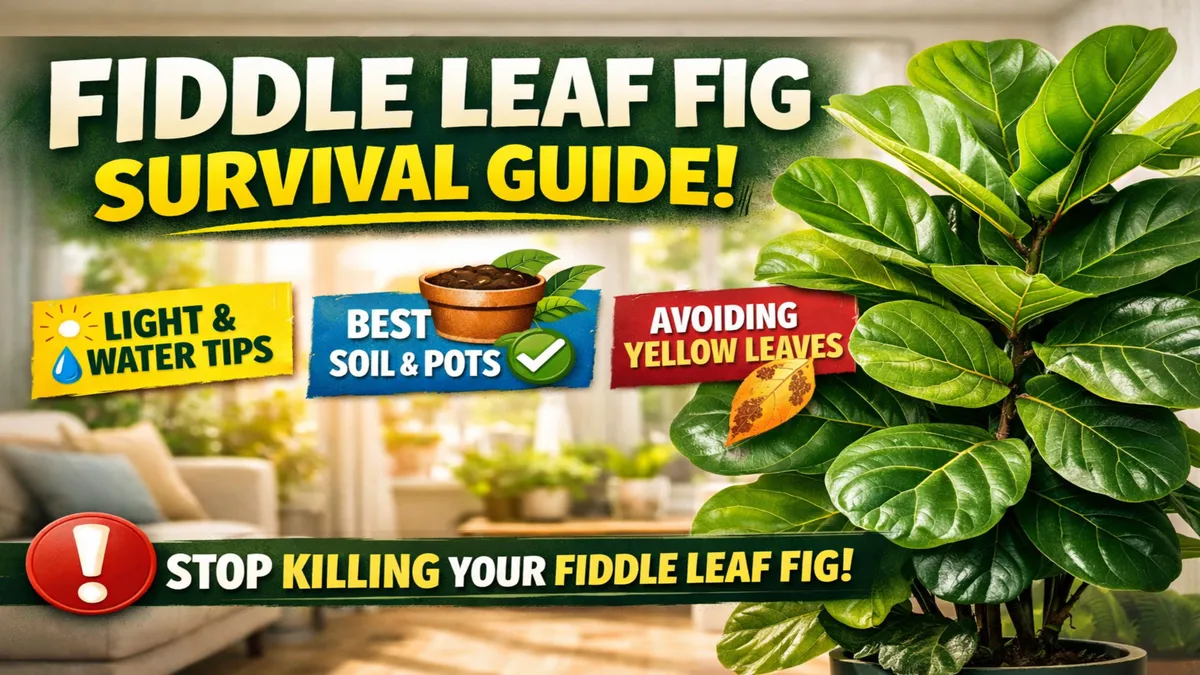
The fiddle leaf fig has become one of the most talked-about indoor plants in recent years and for good reason: its large, glossy leaves instantly elevate the look of any room. But behind the Instagram fame lies a plant that requires a certain understanding. Many people bring one home only to become frustrated within a few weeks. This guide explains why fiddle leaf figs are trending, how to successfully grow them indoors, and what actually works in real homes not just theory.
Quick Answer Box :
Is a fiddle leaf fig difficult to care for indoors?
No, if you meet its basic needs. Fiddle leaf figs need bright but indirect light, consistent watering (but not too much), well-draining soil, and a stable location. Most problems stem from overwatering or moving it around too much.
Related News
Why is the fiddle leaf fig so trendy?
The fiddle leaf fig's popularity isn't accidental.
1. Stunning Foliage
Its large, violin-shaped leaves make it a designer plant, even in simple spaces.
2. Minimalist Interior Design Trend
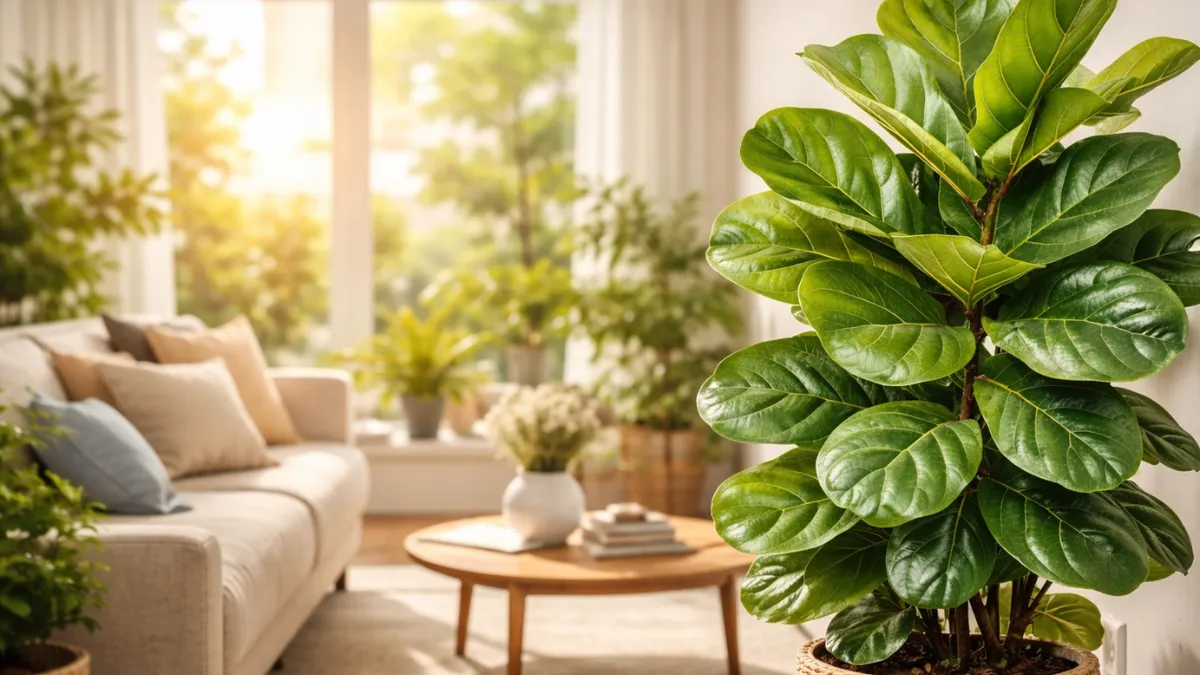
Modern homes favor fewer but bolder plants. A tall fiddle leaf fig replaces the need for several smaller potted plants.
3. Social Media Influence
Interior designers and plant influencers have helped make it a must-have indoor plant.
• Why is the fiddle leaf fig popular
• Fiddle leaf fig interior design plant
Ideal Indoor Conditions for Fiddle Leaf Figs
Light Requirements
Fiddle leaf figs do not like bright, direct sunlight. Best location: Near an east- or south-facing window
• Avoid harsh, direct afternoon sun
• Low light will slow growth and cause leaf drop
• Fiddle leaf fig light requirements indoors
Temperature and Humidity
• Ideal temperature: 65–80°F (18–27°C)
• Avoid cold drafts and AC vents
• Normal household humidity is fine, but dry air can cause brown edges on the leaves
In my experience, keeping it away from the air conditioner made a significant difference in leaf health.
How to Water a Fiddle Leaf Fig (The Most Common Mistake)
Overwatering kills more fiddle leaf figs than anything else.
The Right Way to Water
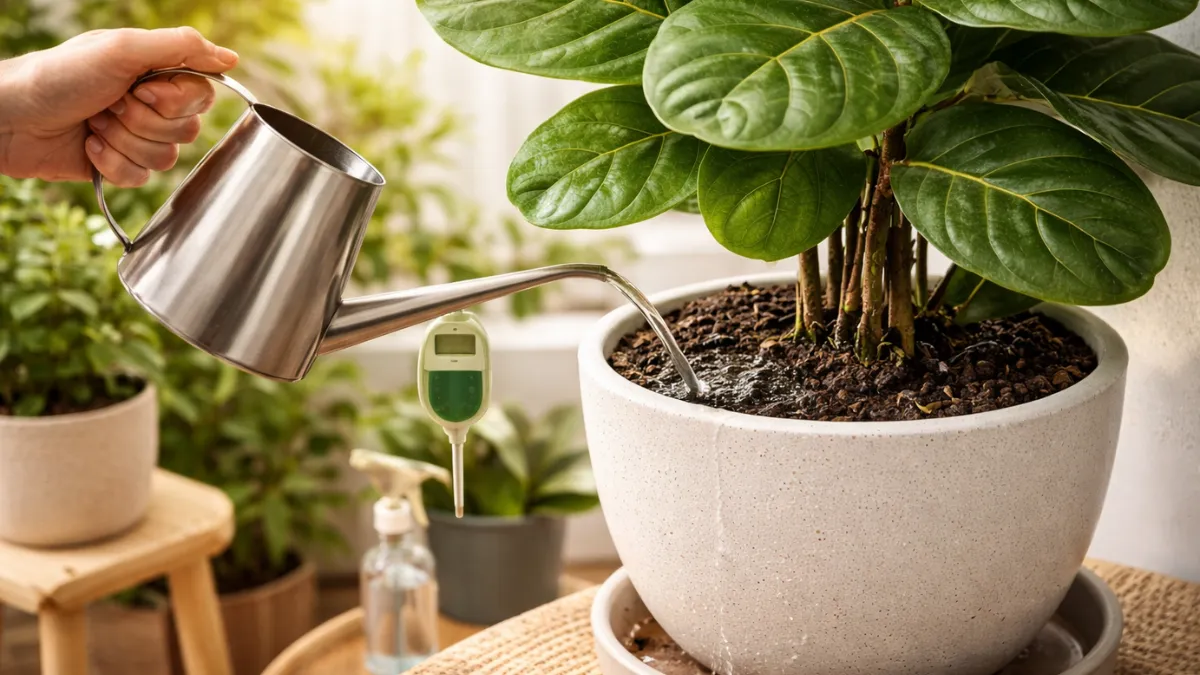
• Water only when the top 2–3 inches of soil are dry
• Water thoroughly until excess water drains from the drainage holes
• Never let it sit in standing water
What didn't work for me:
Watering on a fixed schedule every week caused yellowing leaves and stressed the roots.
• How often should you water a fiddle leaf fig indoors?
Best soil and pot for healthy growth
Soil type
Use a well-draining potting mix:
• Potting soil for indoor plants
• Perlite or sand for drainage
• Avoid heavy garden soil
Pot selection
• Drainage holes are essential
• Slightly smaller pots are always better than larger ones
| Factor | Best Choice |
|---|---|
| Soil | Fast-draining indoor mix |
| Pot | Drainage hole pot |
| Repotting | Every 1–2 years |
• Best soil for fiddle leaf fig
Common Fiddle Leaf Fig Problems and Solutions
Yellow leaves
• Usually caused by overwatering
Brown spots
• Root rot or inconsistent watering
Leaf drop
• Sudden temperature changes or moving the plant
Limitation :
This plant doesn't adjust well to frequent changes in location. Once you find a good spot for it, leave it there.
• Reasons for yellowing leaves on a fiddle leaf fig
Fertilizer and Maintenance Tips
• Fertilize only once a month during spring and summer
• Use a balanced liquid fertilizer
Gently wipe the leaves to remove dust
Since I started regularly cleaning the leaves, I've noticed the leaves are even shinier and the growth is better. Image Suggestions (for publication)
Related Article:
Top Indoor Plants for Apartments in 2026 – Trending List
Related Article:
Top Trending Indoor Plants of 2025–26 for Health & Wellness
Related Article:
Why Indoor Plants Are Getting Brown Tips : The Updated 2025 Google Trending Guide
Final Thoughts
The fiddle leaf fig isn't difficult it's just misunderstood. When you address its light, water, and consistency needs, it transforms from a short-lived decorative item into a long-term companion. This guide is here to help you grow it confidently, without any stress or guesswork.
Written for IndoorPlantify from real indoor plant care experience.