

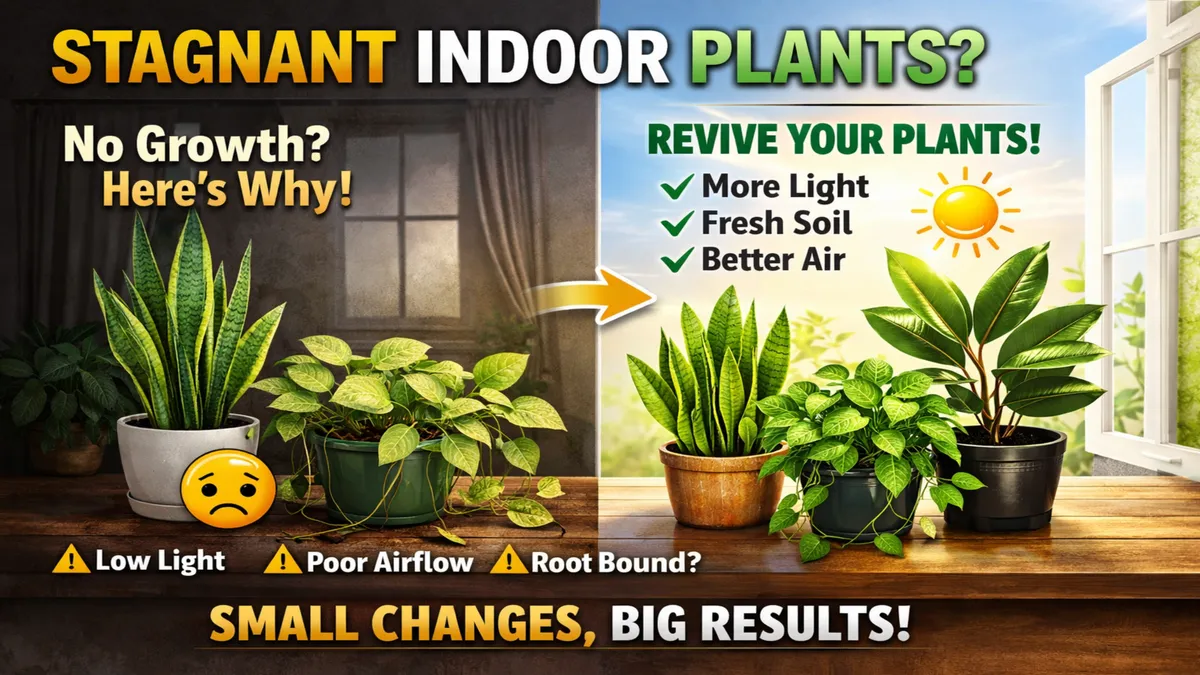
Many indoor plants often look green, fresh, and healthy, but they don't grow for months. No new leaves appear. There's no change in height. This is very common in Indian homes. I often see this problem with my money plant, snake plant, and rubber plant – the plant is alive, but its growth has stalled. This confuses many people because they water the plant, clean the leaves, and still see no progress. This happens due to indoor conditions, not because the plant is weak or dying.
Why does this problem actually occur?
Indoor plants slow down their growth when their basic needs are only "adequate," but not perfect. They often receive insufficient light, even near windows. Air circulation is poor. The temperature remains constant throughout the day. The plant feels safe but not stimulated. Therefore, instead of growing, it becomes stagnant.
Related News
Another reason is root complacency. When the roots feel constricted or the soil remains unchanged for a long time, the plant often stops producing new growth. It conserves energy. But this is a natural reaction. Your plant isn't sick. It's simply resting because the home environment doesn't signal the need for growth.
Signs that your plant is struggling
Your plant may look healthy, but some subtle signs indicate stagnation. The leaves remain the same size. No new shoots emerge. Their color remains green but lighter. Growth stops for several weeks.
Also Read : Roots Are Healthy but Plant Isnt Growing? Real 2025 Fixes
Examples
• The snake plant stands upright but produces no new shoots.
• The money plant vines remain the same length.
• The rubber plant leaves are glossy but no new leaves unfurl.
What actually works in real homes?
Most indoor plants respond to small, consistent changes. You don't need to fertilize every week, nor do you need to overwater. You simply need balance. Because light, space, and fresh soil matter more than anything else.
Some small changes that make a big difference.
| Problem at Home | What Actually Helps |
|---|---|
| Plant gets light only from one side | Rotate pot every 7–10 days |
| Soil never changed for months | Top up soil or repot once a year |
| Same watering routine always | Water only when top soil feels dry |
| No air movement indoors | Open window or fan nearby daily |
| Plant kept too deep inside room | Move closer to window, not direct sun |
Common Mistakes People Make
People often think that green leaves mean perfect plant health. They overwater. They keep the plant in the same spot for years. They fertilize too frequently. This puts a lot of stress on the roots. Stagnant plants need gentle care, not aggressive intervention. Growth happens when conditions gradually improve, not suddenly.
Also Read : Snake Plant Stalled? Why Your Plant Isnt Growing For Months
My Personal Experience and Conclusion
Stagnant indoor plants are not a failure. They are simply waiting. In your homes, light and air are more crucial than water for plant growth. Observe your plant carefully. Make small changes. Give it time. When the plant feels ready, it will grow on its own. Patience works better than any quick fix.