

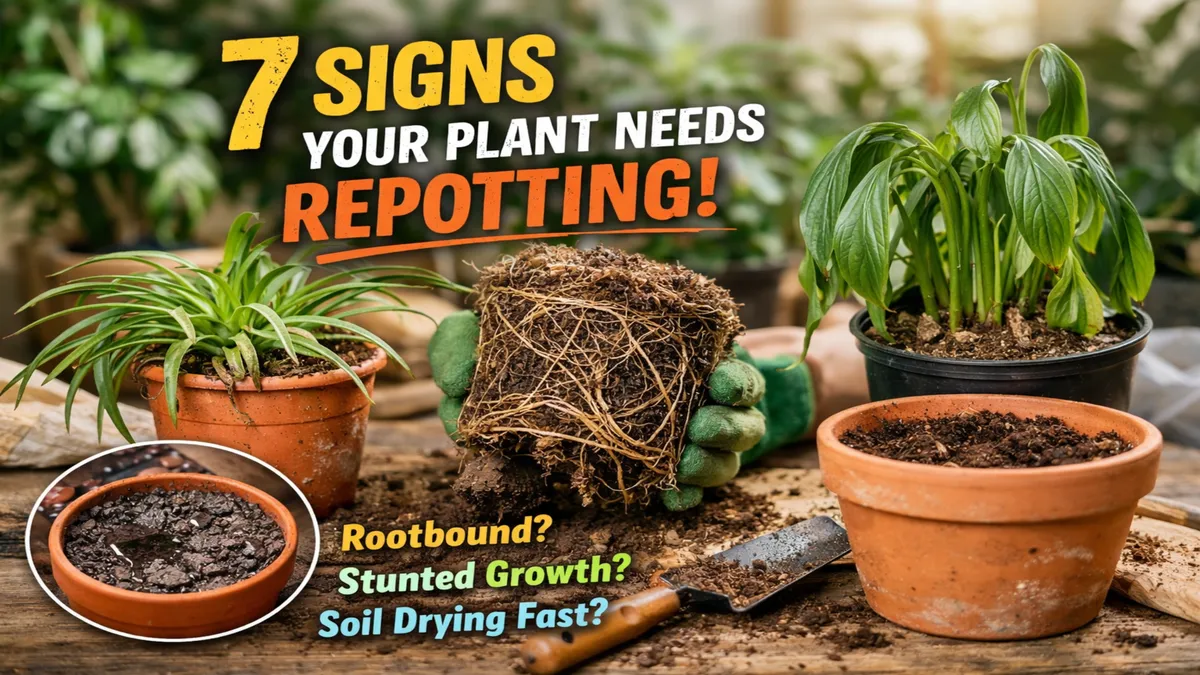
Indoor plants don't need frequent repotting, but neglecting the right timing can gradually slow their growth. I've seen some plants remain healthy for years, while others suddenly stop growing for no apparent reason. Repotting provides roots with more space, fresh nutrients, and improved airflow. However, doing it too early or too late can stress the plant. Understanding the right timing and warning signs helps you avoid common mistakes and maintain long-term plant health.
Quick Answer:
Related News

How often should you repot indoor plants?
Most indoor plants should be repotted every 12 to 24 months, depending on their growth rate, root size, and pot conditions.
| Plant Growth Type | Repotting Frequency |
|---|---|
| Fast-growing plants | Every 12 months |
| Moderate growers | Every 18–24 months |
| Slow-growing plants | Every 2–3 years |
| Newly bought plants | After 3–6 months |
| Mature large plants | Every 2–4 years |
If you're wondering how often indoor plants should be repotted for optimal growth, the answer depends more on the condition of the roots than just the timing.
7 Warning Signs That Your Indoor Plant Needs Repotting
Many indoor plants show mild signs before serious problems develop.
1. Roots Protruding from the Drainage Holes
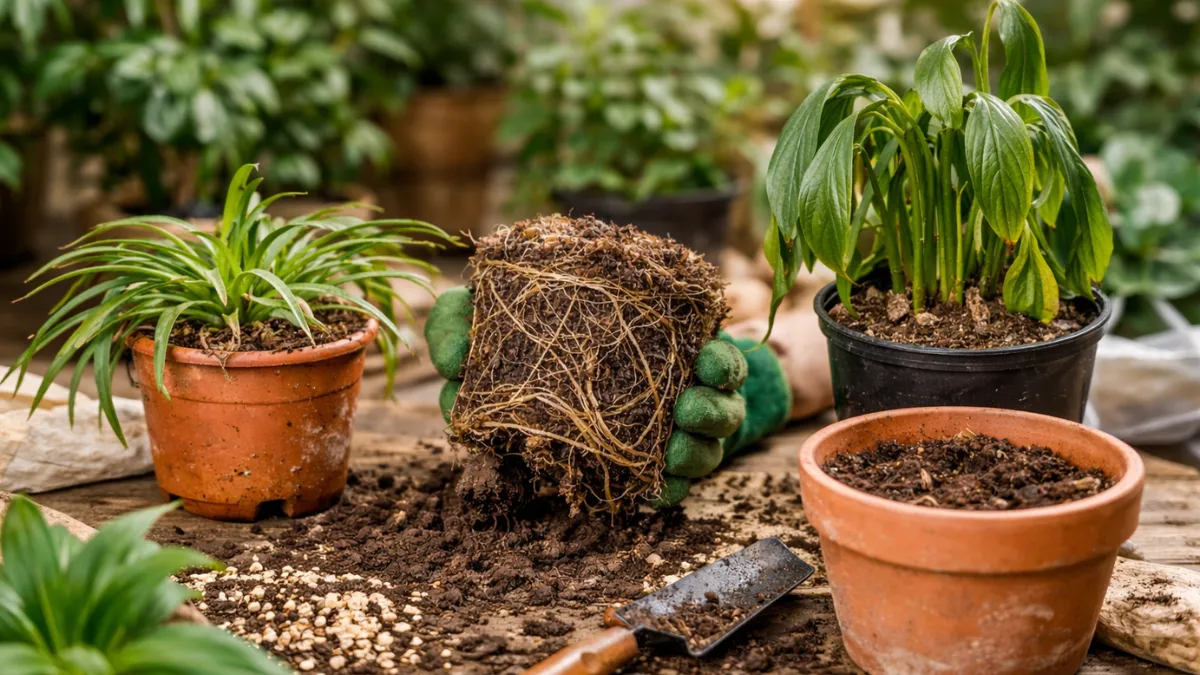
One of the most obvious signs is roots protruding from the bottom holes. This indicates that the plant has used up all the available space.
This is often the first clue that people miss when asking what are the early signs that a plant is root-bound.
I once ignored this sign with my Peace Lily, and its growth stopped completely until I repotted it.
2. The Soil Dries Out Too Quickly
If water drains quickly and the soil dries out within 1-2 days, the roots have taken over most of the pot.
This happens because there is less soil left to retain moisture, which explains why indoor plant soil dries out quickly after a sudden watering.
Fresh soil retains water well.
3. The Plant Has Stunted Growth
Healthy plants tend to grow leaves or stems slowly. If growth stops during the active season, the roots may be damaged.
This often alleviates concerns about why indoor plants stop growing despite proper care.
Repotting usually resumes growth within a few weeks.
4. Roots Form a Tight Circle
When removing the plant, you may notice that the roots are tightly wrapped around the soil.
This condition directly confirms how to identify root-bound plants without damaging the roots.
Root-bound plants find it difficult to absorb nutrients properly.
5. Water Remains on the Surface
If water remains on the surface instead of being absorbed, compressed roots may be preventing water absorption.
This explains why the soil of indoor plants is no longer absorbing water properly.
Repotting loosens the root system and improves water drainage.
6. The Plant Appears Unsteady or Top-Heavy
Tall plants in small pots often become unstable or fall over easily.
This happens because the roots don't have enough room to grow, which is why people ask if repotting helps keep tall indoor plants securely stable.
A larger pot improves stability.
7. Soil looks old, hard, or compacted
Over time, soil loses nutrients and texture.
This explains how old soil affects indoor plant health and root growth.
Fresh soil restores the nutrient balance.
The best time of year to repot indoor plants
The best time is during spring and early summer, when plants are growing rapidly.
This is important if you're unsure about the safest season to repot indoor plants.
When plants are growing rapidly, they recover faster and adapt more easily.
Avoid repotting in winter unless absolutely necessary.
How to Know If Your Plant Doesn't Need Repotting
Unnecessary repotting can stress healthy plants.
Avoid repotting if the following conditions are present:
• The plant is growing normally
• The soil is draining well
• The roots aren't overcrowded
The plant appears healthy overall
Many people ask if frequent repotting can harm indoor plants, and the answer is yes. Overpotting can affect root strength.
I made the mistake of repotting a healthy snake plant too early. The undue stress caused it to stop growing for months.
How to Safely Repot Indoor Plants (Step-by-Step)
Step 1: Choose the Right Pot Size
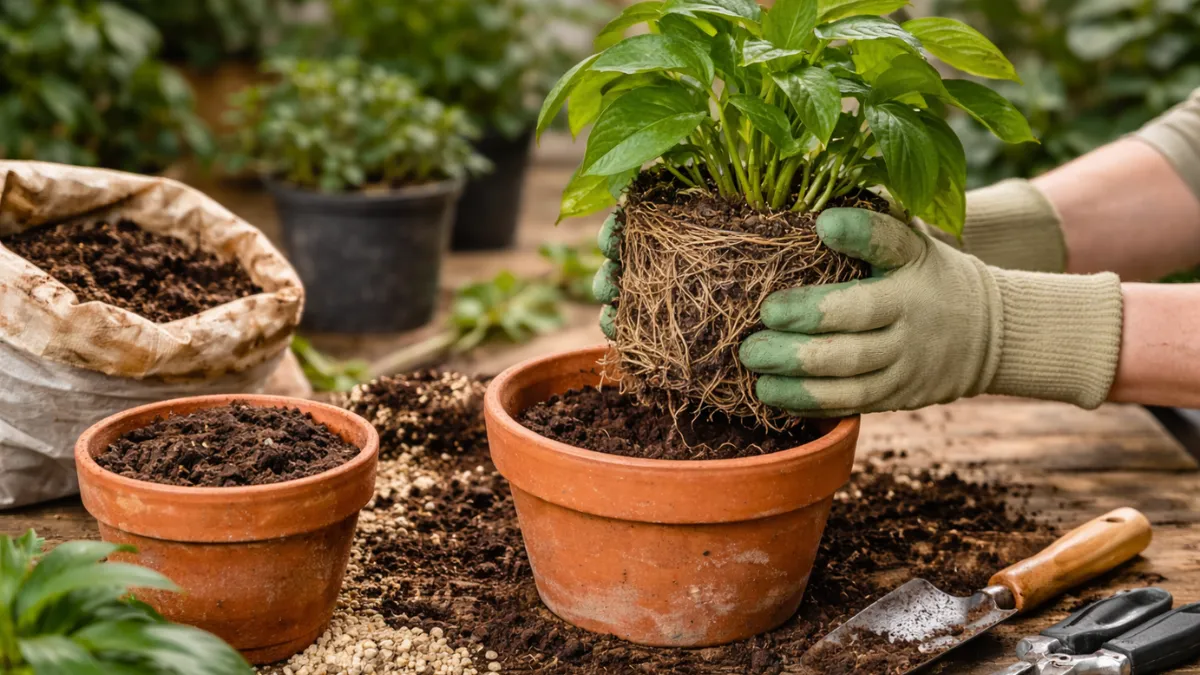
Choose a pot that's only 1–2 inches larger than the current pot.
This prevents overwatering and answers the question of what size pot is best when safely repotting indoor plants.
Step 2: Remove Plant Gently
Hold the plant at the base and loosen it carefully.
Avoid pulling harshly to prevent root damage.
Step 3: Loosen Roots Slightly
If roots are tightly wrapped, gently loosen them.
This improves new root expansion and helps those wondering should you loosen roots when repotting indoor plants or not.
Step 4: Add Fresh Soil and Position Plant
Place fresh soil at the base and center the plant.
Ensure proper height and support.
Step 5: Water Lightly After Repotting
Water moderately to help roots settle.
Many people wonder how much water to give indoor plants after repotting safely — avoid overwatering initially.
How Repotting Improves Indoor Plant Health
Repotting provides several benefits:
• More space for root growth
• Better nutrient availability
• Improved water absorption
• Faster leaf and stem growth
• Reduced stress and disease risk
This explains does repotting help indoor plants grow faster and healthier.
I’ve personally seen dramatic growth improvement in pothos plants within 2–3 weeks after repotting.
When You Should NOT Repot Immediately
Avoid repotting if:
• Plant is already stressed
• Recently transplanted
• During dormancy period
• Immediately after purchase
This is important if you're wondering should you repot indoor plants immediately after buying them.
Wait until the plant adapts first.
Limitations of Repotting
Repotting improves growth conditions but does not fix all problems.
If lighting, watering, or humidity are incorrect, repotting alone won’t solve the issue.
This is important because people often assume why repotting alone does not fix unhealthy indoor plants.
Repotting supports growth but must be combined with proper care.
Related Helpful Articles:
How to Tell If Indoor Plant Roots Are Damaged Without Repotting
Why Indoor Plants Stop Growing After Repotting (Big Mistake)
Best Indoor Plants for Small Apartments (Space-Saving Picks 2026)
Conclusion
Most indoor plants need repotting every 1–2 years, but the real indicator is root condition and plant behavior. Signs like slow growth, fast-drying soil, and visible roots should never be ignored. Repotting at the right time improves plant health, stability, and growth speed. Avoid unnecessary repotting and always choose the correct pot size. With proper timing and technique, your indoor plants will stay healthy and continue growing for years.
Written from real indoor plant care experience for IndoorPlantify.