


Indoor plants seem simple.
Water them. Place them near light. Done.
Related News



But in Indian homes, the weather changes everything.
Summer heat, monsoon's heavy humidity, winter's dry air—your plants experience it all. If you adjust your care according to the seasons, most plant problems simply disappear.
Let's put it simply.
Understanding Indian Weather Patterns
India has three main seasons that affect plants:
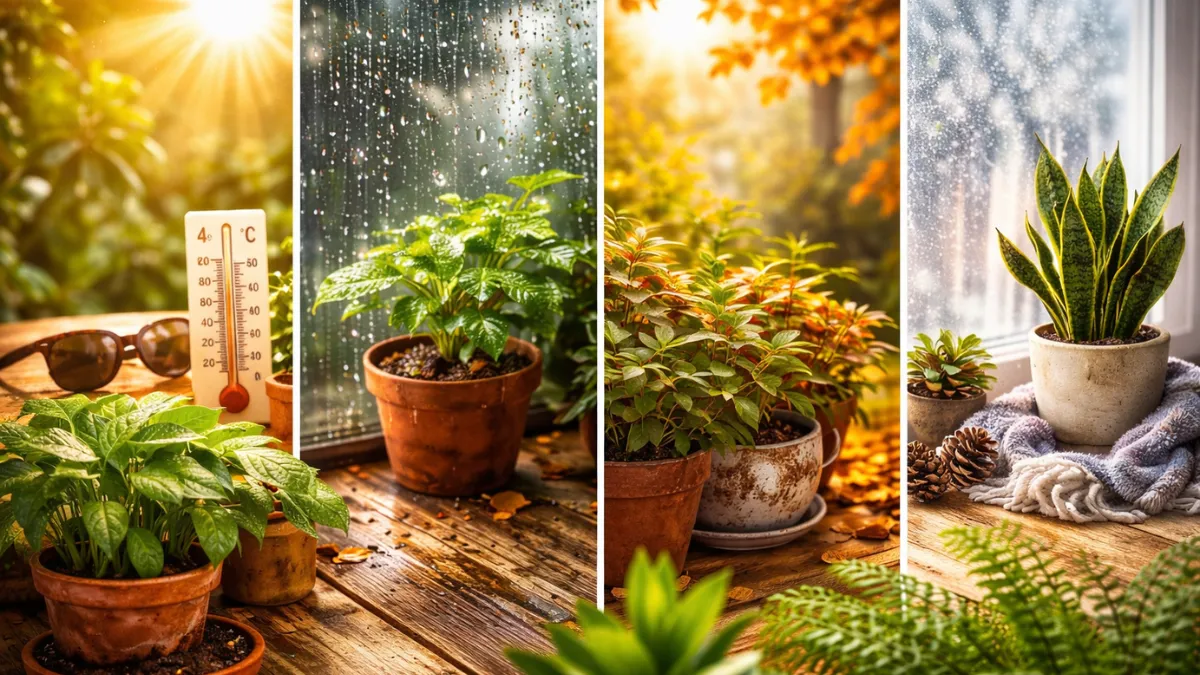
• Summer (March-June)
• Monsoon (July-September)
• Winter (October-February)
Winters are mild in some areas, while others are extremely hot. So always adjust your care based on your city.
In my own experience, plants suffer more from seasonal neglect than from a lack of fertilizer.
Plant Care in Summer (Heat Protection Mode)
Summer is the most stressful season for indoor plants.
Rooms get hotter than you think, especially near windows.
Be Careful With Watering
Plants drink more water in the summer. But that doesn't mean you need to water them every day.
Check the top 1–2 inches of soil. If it's dry, water.
I once overwatered my money plant, thinking that heat meant more water. Within a week, the roots became soft. Lesson learned.
Protect from the hot afternoon sun
Morning light is best.
The hot sun between 1–4 pm can burn the leaves.
Keep plants out of direct sunlight. Placing them 2–3 feet apart also helps.
Increase Humidity (Easy Trick)
A/C rooms dry out the air.
Keep a bowl of water near the plants. Or group them together. This automatically increases the humidity around them.
Caring for Plants in the Monsoon (Fungal Risk Season)
Monsoon feels refreshing to us. Plants don't always respond to this.
Too much moisture is dangerous.
Water less.
The soil stays wet for too long.
Always check the soil before watering. There are many cases of root rot during the monsoon.
In my home, I don't water for about 7–10 days during heavy rains.
Improve Air Circulation
Open windows when possible.
Stagnant air causes fungus to grow on the soil and leaves. If you see white mold on the topsoil, gently scrape it off and let the soil dry out a bit.
Don't repot during heavy rain.
Roots are sensitive to high humidity.
I once tried repotting during the monsoon. The plant struggled for weeks. Now I don't do this unless absolutely necessary.
Caring for Plants in Winter (Slow Growth Phase)
In many Indian homes, winter means slower plant growth.
Some plants almost stop.
Water less.
Soil dries out slowly.
Cold + wet soil = risk of root damage.
Tap the soil. If it's still damp, wait.
Get as much sunlight as possible.
Winter sunlight is soft.
Place plants near windows during this season.
Even low-light plants prefer a little more light in winter.
Don't over-fertilize.
Plants grow slowly now.
Too much fertilizer in winter can stress the roots. I usually reduce fertilizing to once every 6–8 weeks.
Seasonal Fertilizer Guide
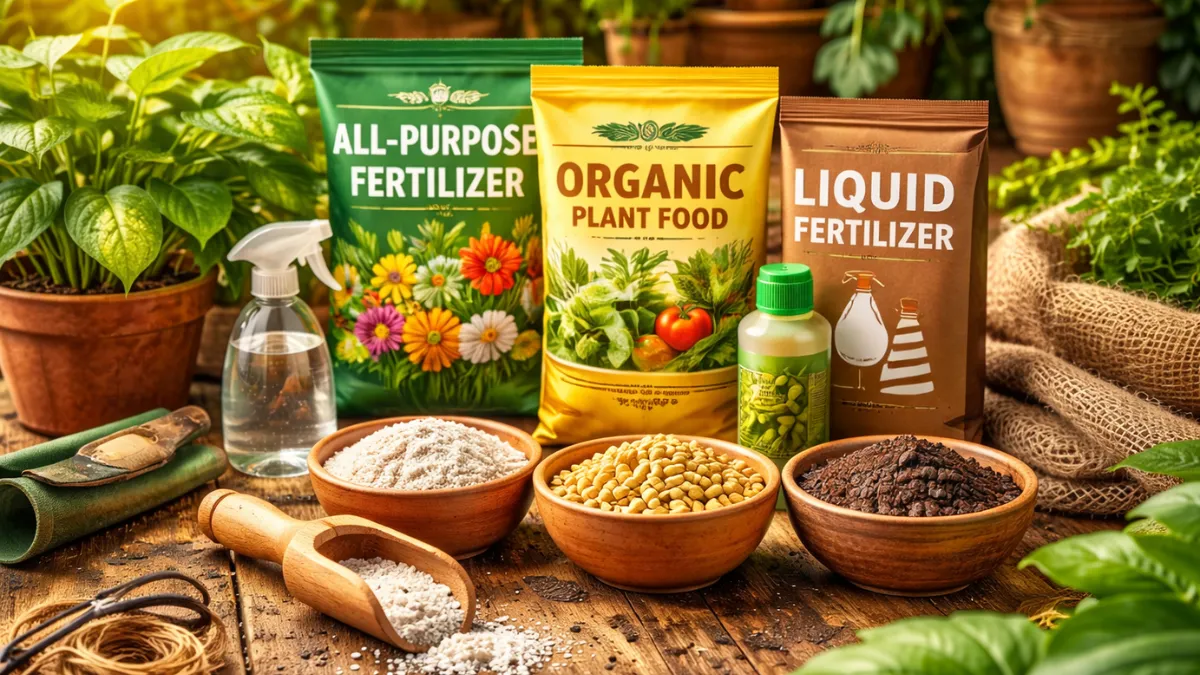
Keep it simple:
• Summer: Lightly fertilize every 3–4 weeks.
• Monsoon: Too little or if growth is slow, give up.
• Winter: Too little fertilizer.
Overfertilizing does more harm than underfertilizing.
I've seen "overcare" also cause leaves to burn.
Common Seasonal Mistakes in Indian Homes
To be honest, most problems stem from habits, not the plants themselves.
• Watering at a fixed time without checking the soil
• Keeping plants in the same spot year-round
• Ignoring ventilation during the monsoon
• Using the same fertilizer year-round
Plants don't follow calendar reminders. They follow seasonal cues.
A True Drawback
Not all Indian homes have proper lighting.
In apartments with very little natural light, even proper seasonal care can cause problems. In such cases, a small grow light can help.
But a change in season significantly improves plant health.
Handy Seasonal Checklist (Save This)
Summer:
• Check the soil before watering
• Keep out of direct sunlight
• Increase humidity
Monsoon:
• Water less
• Improve air circulation
• Watch for fungus
Winter:
• Water less
• Provide more sunlight
• Reduce fertilizer
Keep it simple. Observe your plant. Adjust gradually.
That's it.
Plants don't need a complex formula. They need attention that changes with the seasons.
When you start noticing small signs—drooping leaves, slow growth, or damp soil—you'll feel more confident.
And that confidence changes everything.
Related articles:
Best Indoor Plants for Modern Minimalist Homes – Expert Tips
Related articles:
How to Grow Indoor Plants Without Sunlight – Proven Tips
Related articles:
Best Soil Mix for Indoor Plants (DIY Recipe + Expert Tips)
Written from real indoor plant care experience for IndoorPlantify.