

Indoor plants always seem so calm and quiet, but they need to eat just like we do. I learned this the hard way while growing plants in my own home. Some fertilizers helped, some did nothing, and some even harmed the plants. This guide is based on real-world experience and advice from botanists. There's no complicated science involved. Just honest, easy help to keep your houseplants green, strong, and happy for a long time.
Quick Comparison:
Related News


Best for low light : Liquid Seaweed Fertilizer
Best for rapid growth : Balanced Liquid NPK Fertilizer
Best for beginners : Vermicompost Tea
Best for improved air circulation : Organic Compost-Based Fertilizer
Why Houseplants Need the Right Fertilizer
Houseplants are often confined to pots, not open soil. This means they quickly deplete the nutrients available to them. Water alone isn't enough. A good fertilizer helps keep leaves green, strengthens roots, and promotes balanced growth. Botanists agree that slow, consistent feeding works best for houseplants. Overfeeding is even worse than underfeeding, especially for indoor plants.
Choosing the right fertilizer also depends on light, plant type, and season. Summer plants need more food, while winter plants need very little. Once I understood this, my plants stopped dropping leaves and started growing evenly again.
Liquid Fertilizers Fast Help for Tired Plants
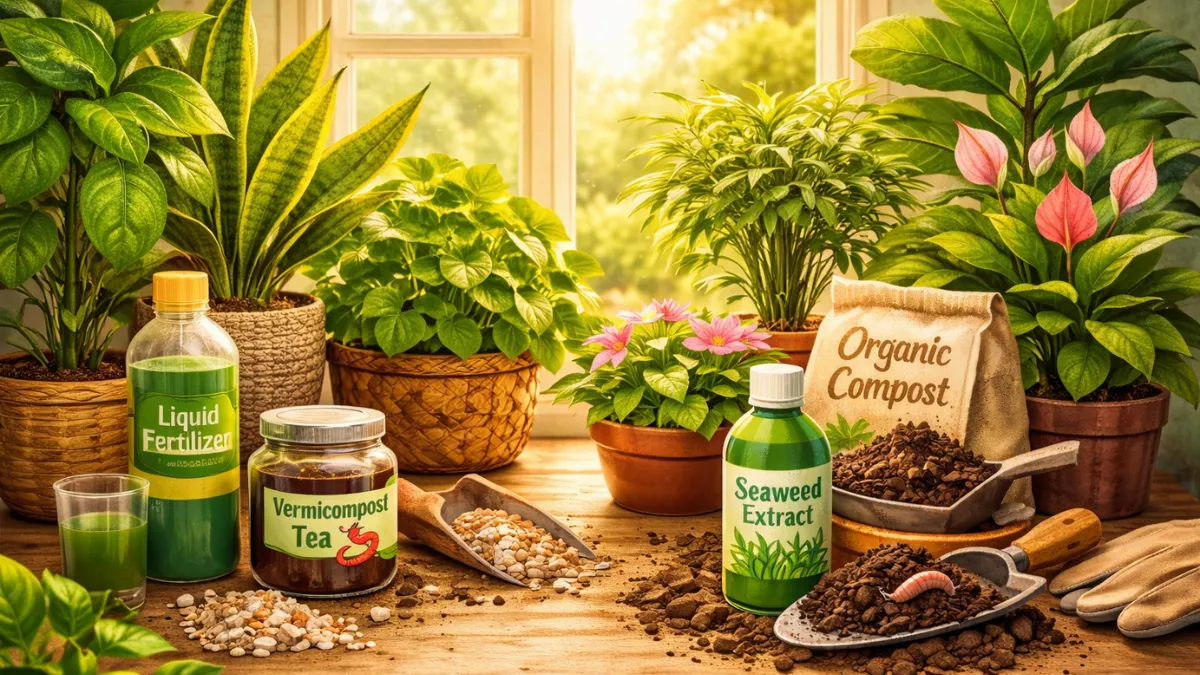
Liquid fertilizers are mixed with water and are quickly absorbed. Botanists often suggest these when plants look weak or wilted. I also use liquid fertilizer once every 15-20 days during the growing months. It provides quick results without stressing the plant.
The key is dilution. Always use less than what's recommended on the bottle. Houseplants grow slowly. Too much liquid fertilizer can burn their roots. When used sparingly, liquid fertilizers help new leaves grow healthier and shinier.
Organic Fertilizers Safe and Long-Lasting Support
Organic fertilizers work slowly but safely. These include vermicompost, compost tea, and seaweed extract. Botanists prefer organic options for houseplants because they improve not only plant growth but also soil health. After switching to organic feeding, I noticed a better soil smell and fewer pests.
Organic fertilizers are perfect for homes with pets or children because they don't shock the plants. Results take time, but the plants remain stable and stress-free. For beginners, this is the safest route.
Related Articles:
The Banana Peel Water Fertilizer Hack : Thats Reviving Indoor Plants in 2025!
Granular Fertilizers Use with Caution Indoors
Granular fertilizers release nutrients slowly. They are common for outdoor plants, but should be used with caution indoors. Botanists recommend using them only in large pots and in very small quantities. I personally avoid using them for smaller indoor plants.
If you do use them, gently mix the granules into the topsoil. Never let them touch the roots directly. Water thoroughly after application. Granular fertilizers aren't necessarily bad, but liquid and organic options are easier to use indoors.
Common Indoor Plant Fertilizing Mistakes
| Mistake | Simple Fix |
|---|---|
| Fertilizing dry soil | Water first, then fertilize |
| Using fertilizer in winter | Pause feeding in cold months |
| Overfeeding weekly | Feed once in 2–3 weeks |
| Using garden fertilizer indoors | Choose indoor-safe fertilizer |
This table initially helped me a lot in protecting my plants from harm. Most plant problems stem from good intentions, not neglect.
How Botanists Explain Fertilizing Indoor Plants
Botanists focus more on balance than speed. They advise observing plant cues such as leaf color and growth patterns. Yellowing leaves often indicate over-fertilization, not hunger. And slow growth indoors is normal.
They also recommend fertilizing according to the seasons. Fertilize more in spring and summer. Reduce or stop in winter. Following this advice has resulted in my plants becoming stronger each year, rather than growing rapidly and dying quickly.
Related Article:
The Coffee-Grounds Fertilizer Hack : Thats Making Houseplants Grow Twice as Fast in 2025!
Choosing the Right Fertilizer for Your Home
Every home is different. Low-light homes need lighter fertilizers. Rooms with more light can handle slightly more. Flowering plants need balanced nutrients, not heavy nitrogen. Foliage plants need a lighter, regular feeding.
I always recommend starting with a small amount. Observe for two weeks. If the plant looks happy, continue. Fertilizer should support plants, not control them.
Related Article:
Indoor Plants : Complete Beginner-to-Expert Guide (2026 Edition)
Final Tips from Real Home Experience
Fertilizing indoor plants works best when approached with patience. A simple organic or diluted liquid fertilizer is sufficient for most homes. Don't chase rapid growth. Healthy plants grow slowly and live longer. Observe your plants, make gradual changes, and rely on consistent care rather than shortcuts. This is the calm approach that both botanists and true plant lovers agree on.