

If your houseplant looks nearly dead with yellowing leaves, drooping stems, or dry soil you are not alone. I have been through this phase myself. The good news? Many plants that appear done for can actually recover with the right care. But here is the truth: not every plant can be saved, and recovery takes time and patience.
This is not a miracle cure. It is a practical and systematic approach to plant recovery, based on real-world experiences with houseplants.
Related News
The Answer in Brief: How to Revive a Dying Houseplant
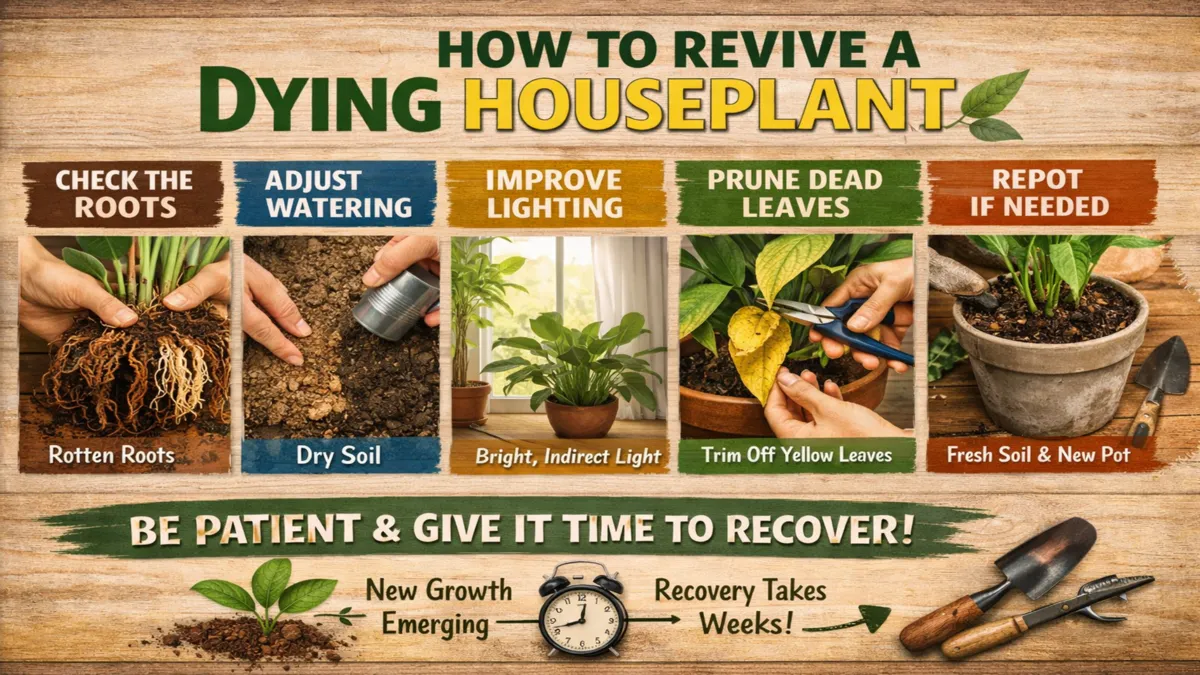
• First, check the condition of the roots.
• Adjust your watering habits (the most common problem).
• Correct the lighting conditions.
• Prune away dead or damaged parts.
• Repot the plant if necessary.
• Give it time to recover.
The Real Story of My Houseplant's Recovery
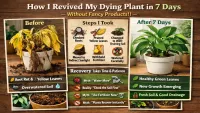
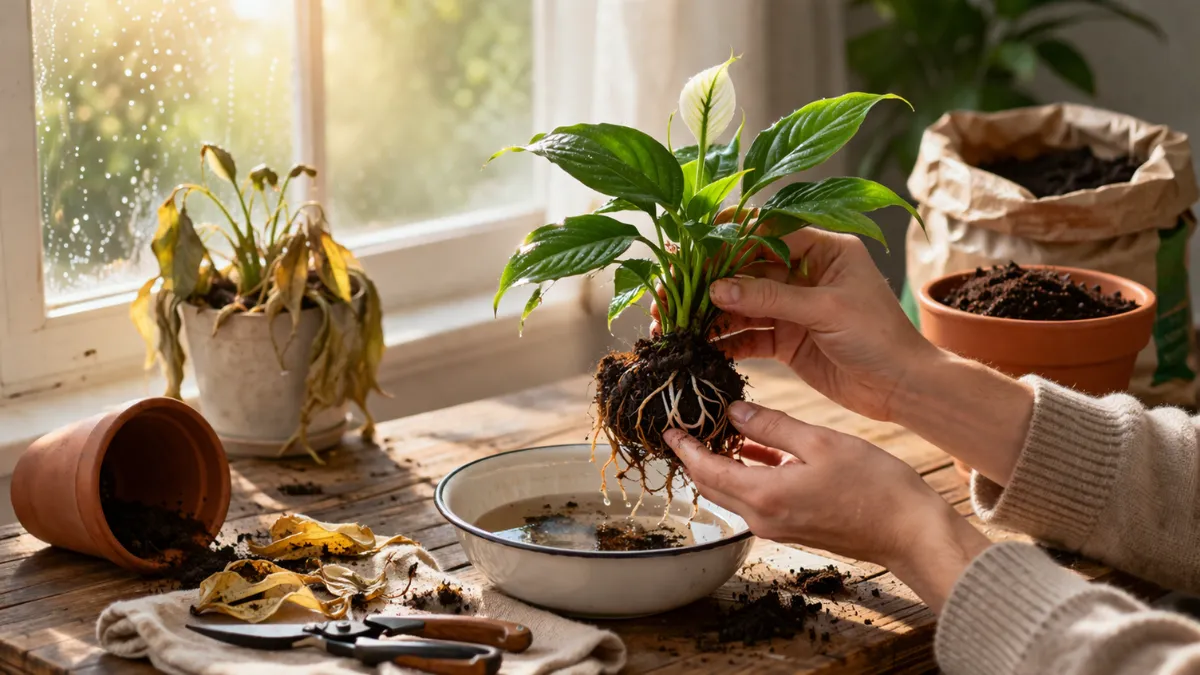
A few months ago, my Peace Lily looked completely lifeless. The leaves had turned yellow, the stems were drooping, and the soil had a slightly strange odor. To be honest, I thought it was dead.
Also Read : DIY Soil Mix for Indoor Plants at Home – Easy Recipe (2026)
Also Read : Overwatering Is not the Problem : The Real Reason Your Plants Are Dying
What I Did First
Instead of throwing it away, I inspected its roots. Some roots were soft and mushy (a sign of overwatering), but others were still firm and healthy. That was the turning point—the moment I realized there was still hope for the plant's survival.
A Mistake I Made
Instead of checking the soil moisture, I was watering the plant on a fixed schedule. This led to root rot. It is a very common mistake, especially among beginners.
A Step-by-Step Process for Reviving a Houseplant
1. Check if the Plant Is Truly Dead
Before doing anything else, verify whether the plant is actually still alive.
• Gently scratch the stem.
If green appears underneath = It may still be salvageable.
If it is completely brown and dry = The chances of recovery are slim.
Reality Check : Some plants may look dead, but they are actually just dormant or under stress.
2. Check the Roots (The Most Crucial Step)
Gently remove the plant from its pot.
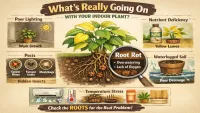
Healthy Roots: White or light-colored, firm.
Rotten Roots: Brown, soft, foul-smelling.
What to Do:
• Trim away the rotten roots.
• Keep only the healthy roots.
• Use clean scissors to prevent infection.
My Personal Experience : After removing the damaged roots, my plant actually looked worse for a few days; however, this is a normal occurrence before the recovery process begins.
3. Correct Watering Issues
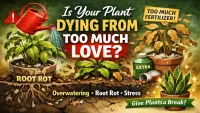
The leading cause (the 1 reason) for the demise of houseplants is overwatering.
Signs of Overwatering:
• Yellowing leaves.
• Soft, mushy stems.
• Soil remaining wet for several days.
Signs of Underwatering:
• Dry, crispy leaves.
• Soil pulling away from the edges of the pot.
Solution:
• Water only when the top 1–2 inches of the soil feel dry.
• Ensure proper drainage.
Important Note : There is no one-size-fits-all watering schedule. It depends on your specific environmental conditions.
4. Improve Lighting Conditions
Lighting plays a pivotal role in a plant's recovery.
Too Little Light = Slow growth, weak stems.
Too Much Direct Sunlight = Scorched or burnt leaves.
The Most Effective Approach:
• Bright, but indirect light.
• Near a window, but out of direct sunlight.
My Experience : Simply moving my plant a little closer to the window (but not into direct sunlight) made a noticeable difference within just 10 days. 5. Prune Away Dry or Damaged Parts
Remove these:
• Yellow leaves
• Brown stems
• Completely dried-out parts
What are the benefits?
• Conserves the plant's energy
• Promotes new growth
Tip : Do not over-prune. Leave the healthy parts as they are.
6. Repot When Necessary
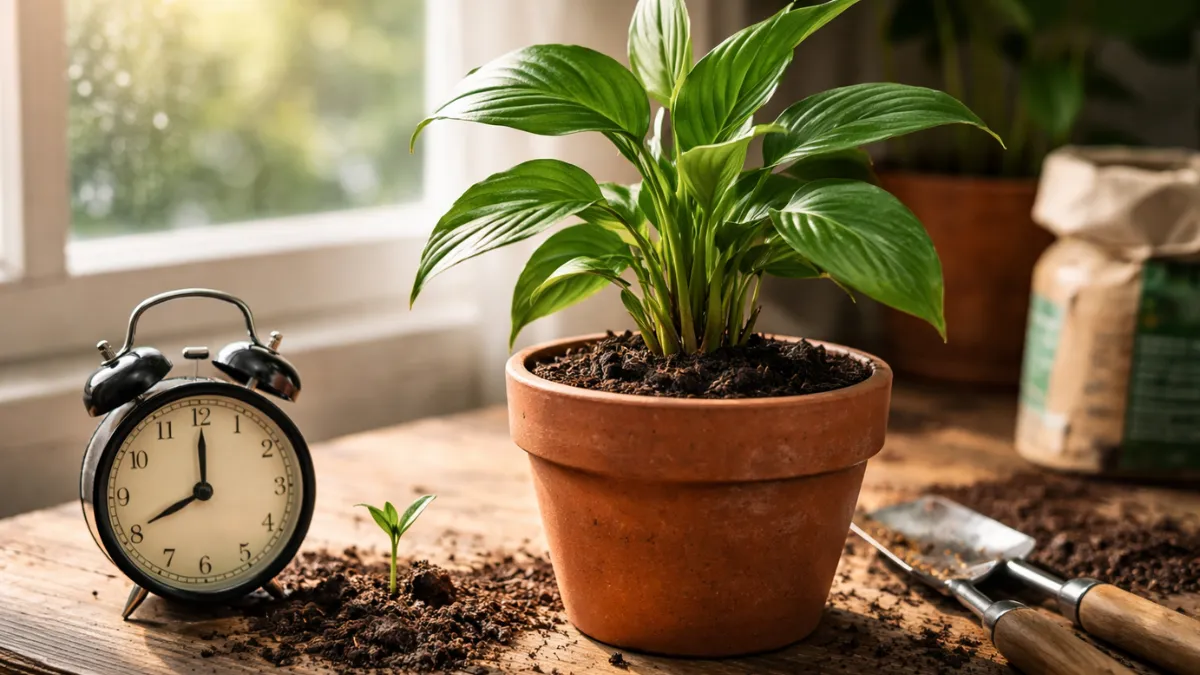
Repotting is beneficial if the soil is severely compacted or if it has developed a foul odor.
Use:
• Fresh, well-draining soil
• A pot with drainage holes
Limitation : Repotting can cause temporary stress to the plant, so do this only when absolutely necessary.
Also Read : Indoor Plant Watering Schedule Chart (Weekly & Seasonal Guide 2026)
7. Be Patient (The Most Important Point)
It takes time for a plant to recover.
First 1–2 weeks : No visible changes may be apparent
After 2–4 weeks : New growth may become visible
Reality : Some plants take several months to make a full recovery.
Reality Check: Myths vs. Facts
Myth: Plants that look dried out can always be revived.
Fact: If the roots are completely damaged, some plants cannot be saved.
Myth: Watering a plant heavily helps it recover faster.
Fact: Overwatering actually makes the situation worse.
Myth: Adding fertilizer fixes everything.
Fact: Do not fertilize a plant while it is recovering this can have a negative effect on it.
Effective Tips That Actually Work
Always check the soil moisture before watering.
Use only pots that have drainage holes.
Clean the leaves periodically to ensure better photosynthesis.
Keep plants away from air vents emitting air from ACs or heaters.
Avoid moving the plant frequently while it is in the process of recovering.
Conclusion
Bringing a plant back from the brink of death is, quite honestly, one of the most satisfying experiences in indoor gardening. It teaches us patience, the habit of close observation, and the value of nurturing.
Not every plant will survive and that is okay. Even experienced plant enthusiasts lose their plants from time to time. What truly matters is learning from the experience and refining your plant care techniques.
If your plant still retains even a single healthy root or a green shoot, there is always a possibility that it can be revived. Just provide it with the right environment—and a little time.
Written for IndoorPlantify, based on real-life experiences in caring for indoor plants.