

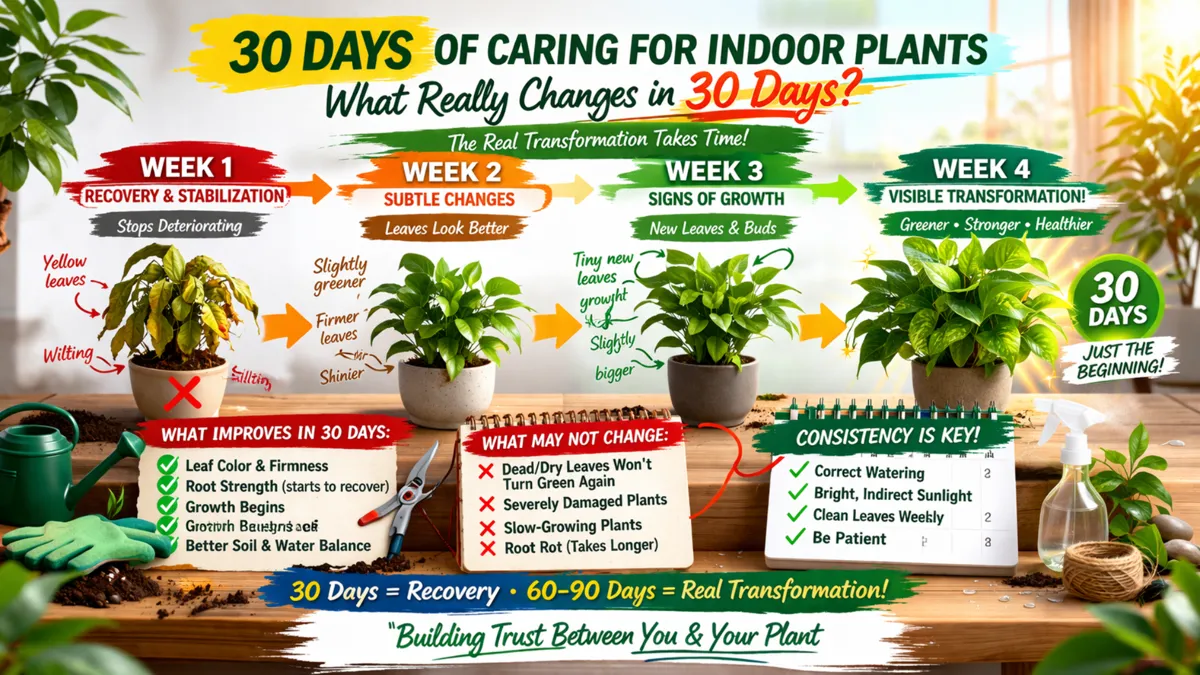
Many people expect immediate results after caring for indoor plants but real change takes time. In my experience, 30 days is sufficient to observe changes, but it is not enough for a complete transformation.
If your plant has been neglected in the past, the first month focuses more on recovery rather than rapid growth. Some plants respond quickly, while others take longer depending on their current condition, lighting exposure, and species.
Related News

The Answer in Brief (Summary of the 30-Day Transformation)
• Leaves may appear greener and healthier.
• New growth may begin in some plants.
• Proper watering improves soil quality.
• Root health stabilizes.
• Damage caused by overwatering may begin to heal.
• Some plants show very little change (particularly slow-growing varieties).
Week 1: The Recovery Phase Begins
The first 7 days are entirely focused on stabilizing your plant.
If you have been overwatering or underwatering your plant, correcting that habit is the most critical step.
The soil balance begins to restore itself, and the roots gradually adapt.
What You Might Observe:
• Leaf deterioration ceases (less yellowing or wilting).
• Soil moisture remains more consistent.
• The plant appears slightly less stressed.
Also Read : Low-Light Indoor Plants for North-Facing Rooms
Also Read : Why Your Indoor Plants Are Dying Even With Watering Correctly – Experts Explain
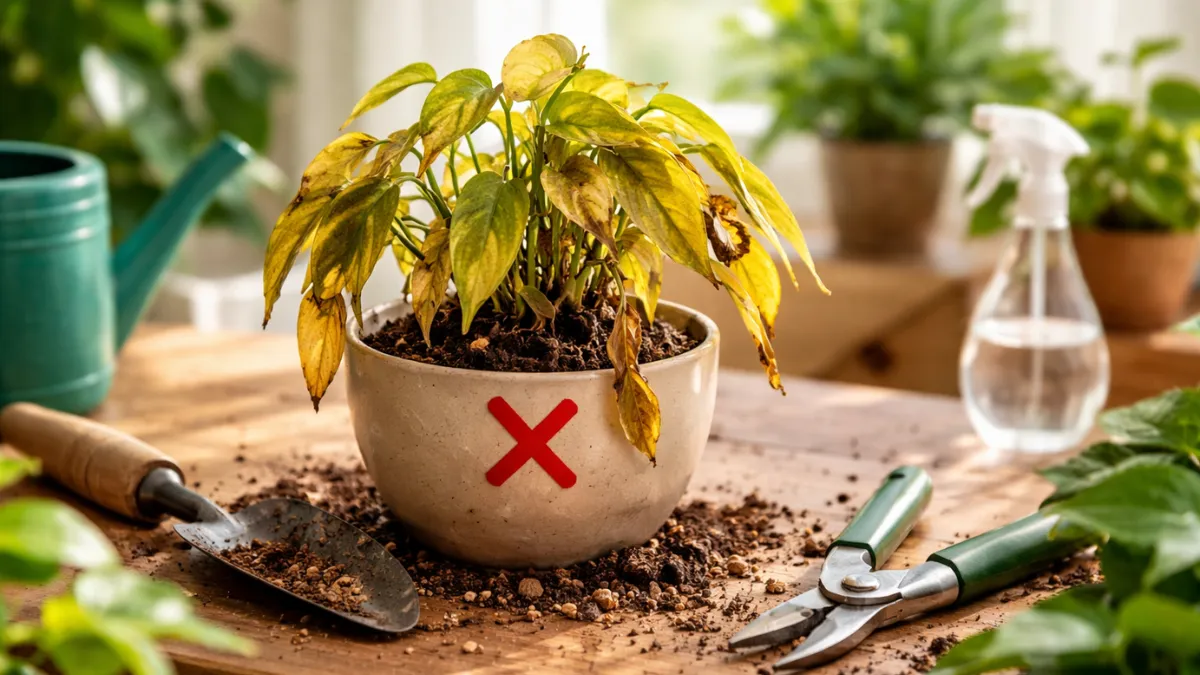
My Experience:
I once revived a dying Money Plant, and nothing particularly remarkable happened during the first week—however, it stopped deteriorating further, which was actually a very positive sign.
Week 2: Subtle Changes Begin to Appear
By the second week, your plant starts responding to proper care.
Potential Changes:
• A slight improvement in leaf color
• Leaves feel firmer (less limp)
• If dust is wiped off the leaves, they appear shinier
If you have moved the plant to a spot with better lighting, it begins to adapt to that environment at this stage.
However, do not expect to see new leaves on most plants just yet.
Week 3: Signs of Growth Emerge
This is where things get interesting.
Some indoor plants begin to show early signs of growth.
What you might observe:
• Tiny new leaves or buds
• Improvement in leaf structure (standing more upright)
• A slight increase in size
Fast-growing plants, such as Pothos or Spider Plants, may show distinct signs of growth by this time.
My Mistake:
Initially, I used to apply too much fertilizer at this stage, thinking it would accelerate the plant's growth. However, this had a negative effect on the plant. During the early stages of recovery, it is better to use less fertilizer.
Week 4: Visible Transformation
After 30 days of consistent care, most healthy indoor plants show clear signs of improvement.
Common Results:
• Greener and healthier leaves
• New growth (in plants that are actively growing)
• Stronger stems
• An overall improved appearance
But the truth is, this is just the beginning not the final result.
What actually improves within 30 days?
1. Leaf Health
If watering and lighting practices are corrected, the leaves often regain their vibrant color and firmness.
2. Root Strength
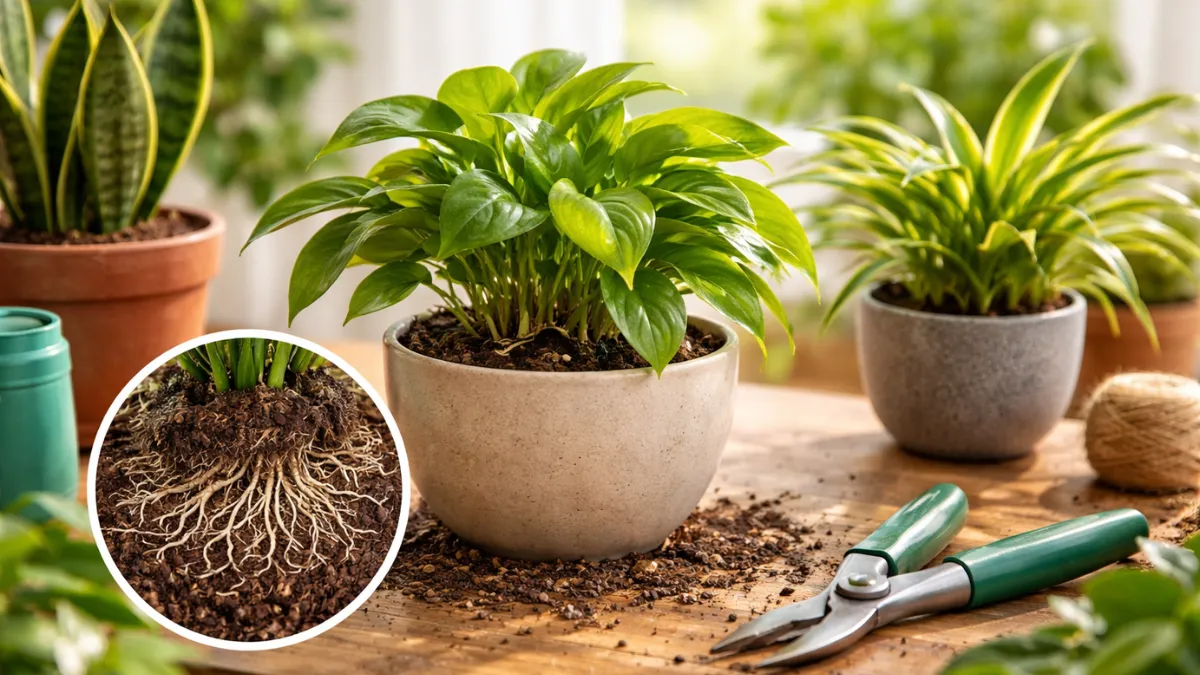
It takes time for roots to fully recover their health, but the recovery process begins within just a few weeks.
3. The Onset of Growth
Plants transition from a 'survival-only' mode into a growth mode.
4. Soil Condition
Proper watering improves the soil's structure and its oxygen levels.
Also Read : Best Soil Mix for Succulents vs Indoor Houseplants (2026)
Also Read : Common Soil Mistakes Killing Indoor Plants (And How to Fix Them) (2026)
What Might Not Change in 30 Days
To be honest, some expectations simply cannot be met.
• Completely dried-out leaves will not turn green again.
• Severely damaged plants may not fully recover.
• Slow-growing plants (such as Snake Plants or ZZ Plants) may show very little visible change.
• Recovery from root rot typically takes longer than one month.
Limitations:
If your plant was severely damaged, you may see only minor improvements within 30 days; a full recovery might not be achieved in that timeframe.
Reality Check: Myths vs. Facts
Myth: Plants undergo a complete transformation in 30 days.
Fact: They begin to show improvement, but a full transformation takes several months.
Myth: More water = Faster growth.
Fact: Overwatering is one of the leading causes of plant deterioration.
Myth: Fertilizing leads to immediate recovery.
Fact: Fertilizer is beneficial only when the plant is already in a healthy condition.
Practical Tips for Better Results in 30 Days
1. First, Correct Your Watering Habits
Check the soil moisture before watering. Do not blindly follow a fixed watering schedule.
2. Optimize Lighting Conditions
For best results, place your plants in a location where they receive bright, indirect sunlight.
3. Clean the Leaves
Dust accumulation prevents leaves from absorbing light effectively. Gently wipe down the leaves once a week.
Step 4: Be Patient
It can take 1–3 weeks for plants to adapt to their new environment.
5. Be Consistent
Consistency matters more than doing everything perfectly.
Conclusion
Taking care of indoor plants for 30 days can feel slow but small changes matter. The real transformation starts quietly: healthier roots, stable leaves, and gradual growth.
If you stay consistent, the results after 60–90 days will be far more rewarding.
Think of the first 30 days as building trust between you and your plant.
Written for IndoorPlantify, based on real-world indoor plant care experience.