

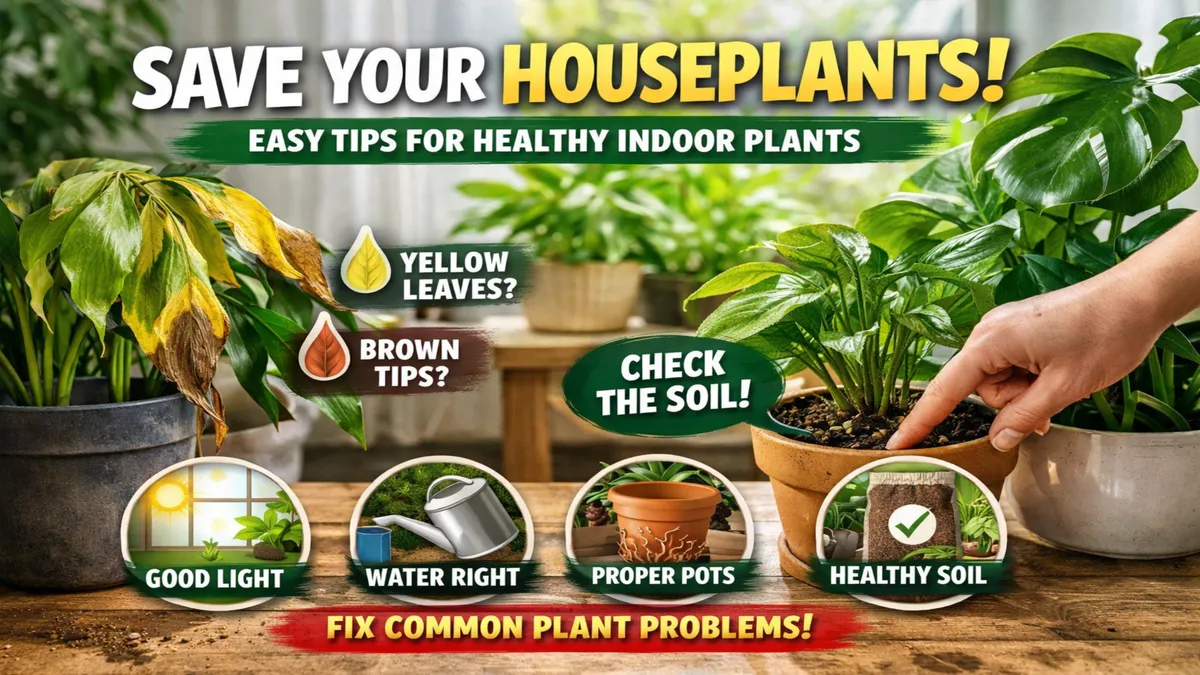
Indoor plants make any home feel calmer, fresher, and more vibrant. But most people struggle with the same problems—plants dying, leaves turning brown, confusion about watering, and not knowing which plant is right for which room. This guide is based on real-world houseplant experience, making it simple and practical.
Related News

Understanding Indoor Plants Before You Begin
Indoor plants aren't a "plant it and forget it" kind of thing. Like all living things, they react to light, water, and care. Once I learned to observe the soil, the leaves, and the room conditions, I found plant care wasn't difficult, and it gradually became second nature.
Most beginners think plants need "more water to be happy." But I learned the hard way that this is completely wrong. Indoor plants need balance. Good light, moderate watering, the right pot size, and simple daily care are what truly help them thrive.
Choosing the Right Indoor Plants for Your Home
Plants That Forgive Mistakes
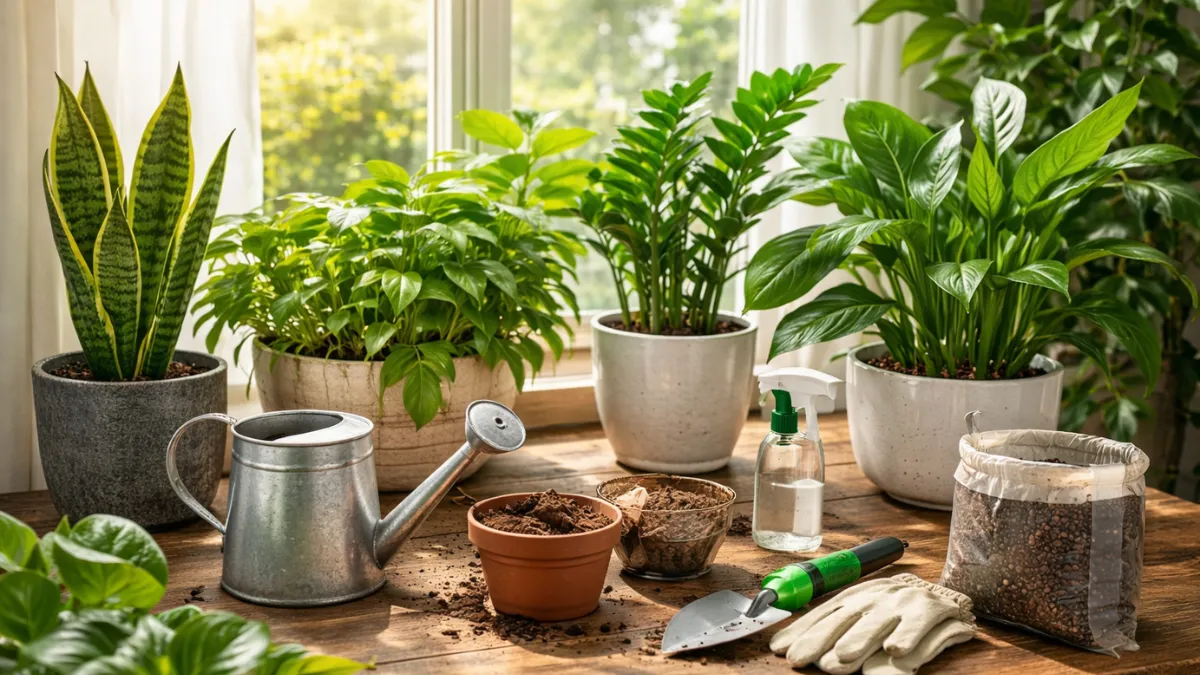
Smaller indoor plants are much easier to understand and manage. I always recommend starting with a snake plant, pothos, ZZ plant, Areca palm, or peace lily. These plants are forgiving of minor mistakes and teach you how houseplants behave indoors.
Plants That Require More Care
Once you gain confidence, try a fiddle leaf fig, Monstera, Calathea, or bonsai tree. These plants are beautiful but require better lighting, more precise watering, and a little patience. They react slowly, so observing them closely will teach you a lot about plant behavior. Getting the Lighting, Watering, Soil, and Pots Right
Lighting: The Biggest Killer of Plants
Indoor plants rarely die from lack of water first. They often die from poor lighting. A bright window with indirect sunlight works for most indoor plants. North or east-facing windows usually work best in the home.
Watering: An Easy Rule That Actually Works
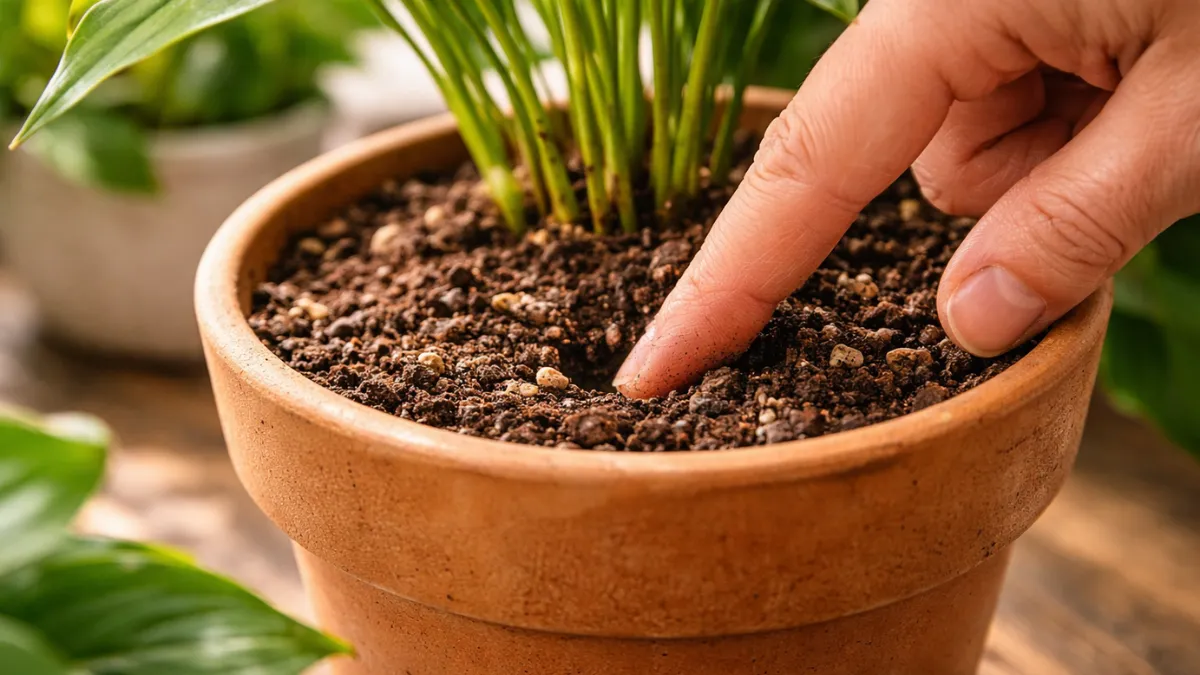
Forget complicated watering schedules. I only water when the top layer of soil feels dry to the touch. I use my finger to check the moisture level first. Overwatering leads to root rot, and underwatering causes leaves to dry and become crispy. Balance is more important than frequency for all these plants.
Real Problems Indoor Plant Owners Face Daily
Yellow leaves, brown tips, no growth – why does this happen?
When my plants first started showing yellow leaves, I thought they were dying. But usually, yellow leaves mean either too much water or not enough light. Brown tips often mean dry air or underwatering. And slow growth usually means insufficient light.
How I Fixed These Problems at Home
Instead of panicking, I moved my plants closer to the windows, watered them sparingly, and used well-draining soil. I stopped repotting them frequently, as plants need a stable environment to adjust. And after just a few weeks, they started to thrive again.
Practical Indoor Plant Care Routine for 2026 Homes
An Easy Weekly Routine Anyone Can Follow
I make sure to wipe the dust off the leaves once a week so they can breathe properly. I rotate the pots every few weeks so they grow evenly. I check the soil moisture before watering. I keep my plants away from air conditioning vents and direct heat from heaters, as both can stress them.
Fertilizing and repotting without confusion
I fertilize my plants every 2-3 months with a diluted liquid fertilizer. I only repot them when the roots start growing out of the pot or the plant looks too crowded. Repotting too frequently does more harm than good.
Quick Problem-Solving Table for Common Indoor Plant Problems
| Problem | Real Cause | Simple Home Solution |
|---|---|---|
| Yellow Leaves | Overwatering / Low light | Reduce watering, move near bright window |
| Brown Leaf Tips | Dry air / Irregular watering | Maintain steady watering, mist sometimes |
| No Growth | Low light / Wrong soil | Use brighter location, use well-draining soil |
| Drooping Plant | Thirsty or waterlogged | Check soil moisture first, then act |
| Soil Smell / Mold | Poor drainage | Use pot with holes, allow soil to dry |
Related Helpful Articles
• Best Indoor Plants for Beginners (No Gardening Experience Needed)
• Best Indoor Plants for Renters (No Damage, Low Care)
• Best Indoor Plants for Sleep, Stress Relief & Clean Air (2026 Guide)
Final Thoughts
Indoor plant care isn't about perfection. It's about gradual learning and gentle routines. Once you understand light, water, and patience, your plants will thrive even more. They'll still make mistakes, teach you lessons, and slowly but surely, they'll become a part of your home.