

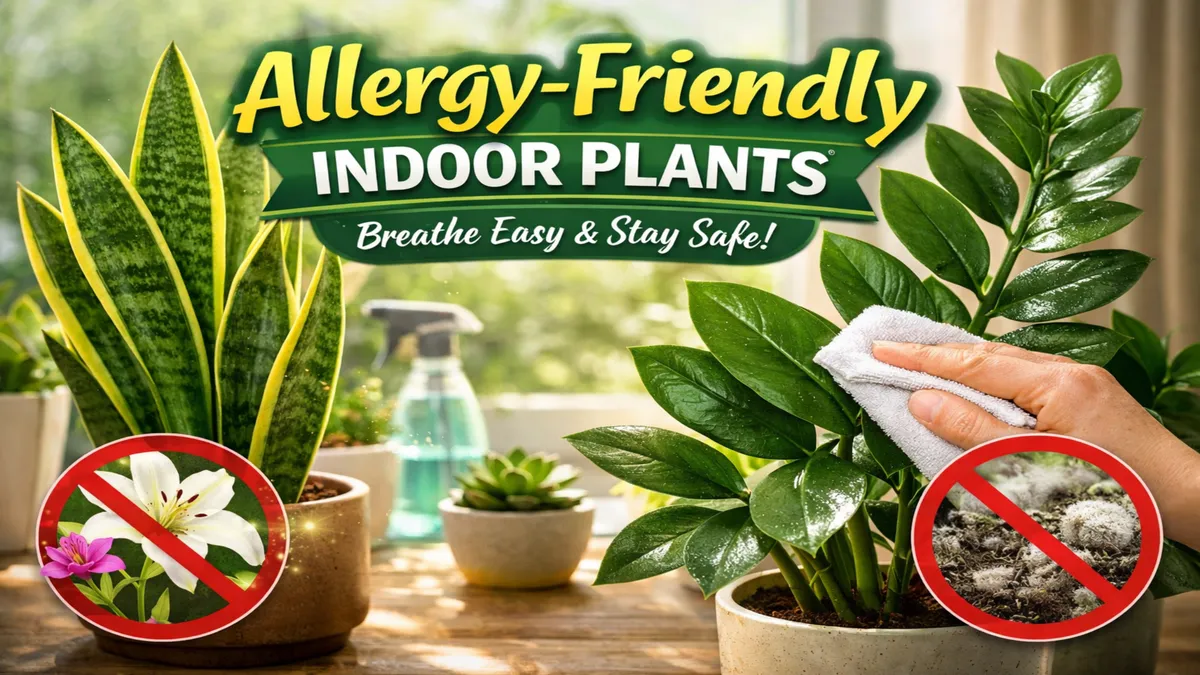
If you have any type of allergy, choosing indoor plants can feel very confusing. Some plants look beautiful but can trigger sneezing, itching, or breathing difficulties. The good news is that allergy-friendly plants do exist. With the right choices and easy care, your home can feel fresh and comfortable.
Indoor Plants for Allergy Sufferers – Choose Safely for Your Home
Most allergy sufferers have the same concern: that plants will spread pollen and dust. I felt the same way when I first started keeping plants indoors. But I later learned that choosing low-pollen plants and keeping them clean makes a big difference in everyday comfort.
Related News



Some plants cause problems simply because they collect dust, grow mold in damp soil, or produce sap that irritates the skin. After trying different plants in real-life home spaces like bedrooms, living rooms, and kitchens, I found some that stay cleaner, require less watering, and feel safer for allergy sufferers.
• Choose plants with smooth leaves
• Avoid flowering or fragrant plants
• Water only when needed to prevent mold
• Wipe the leaves every 7-10 days
Low-Allergy Plants That Are Generally Safe for the Home
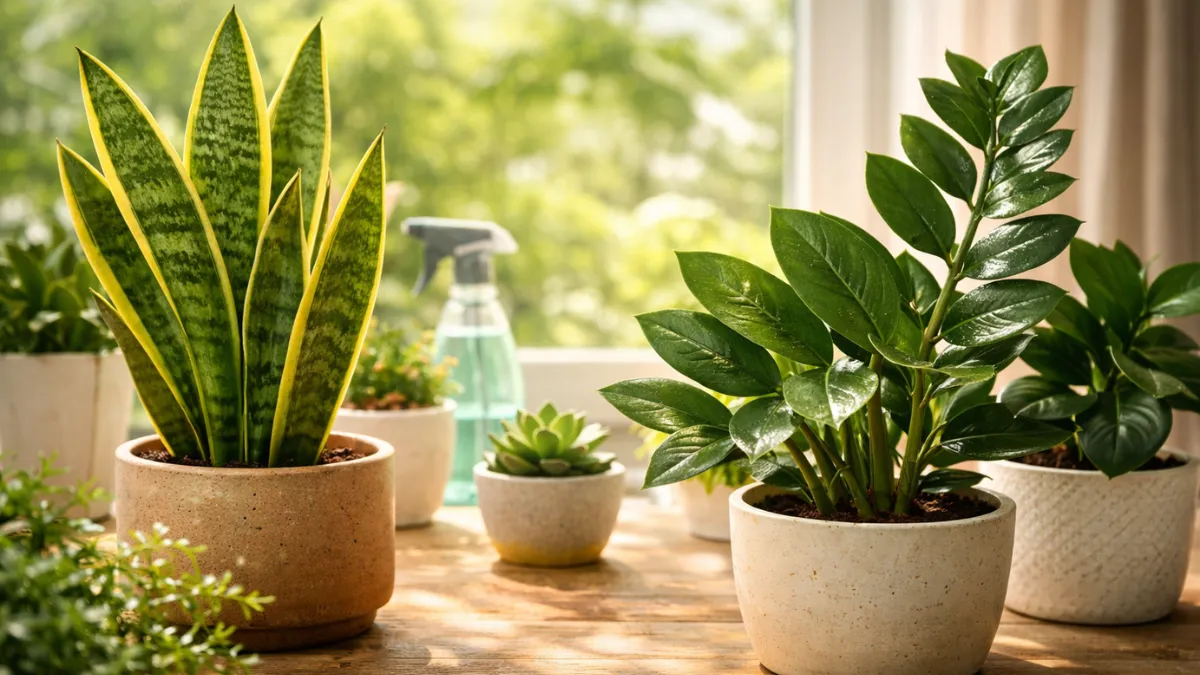
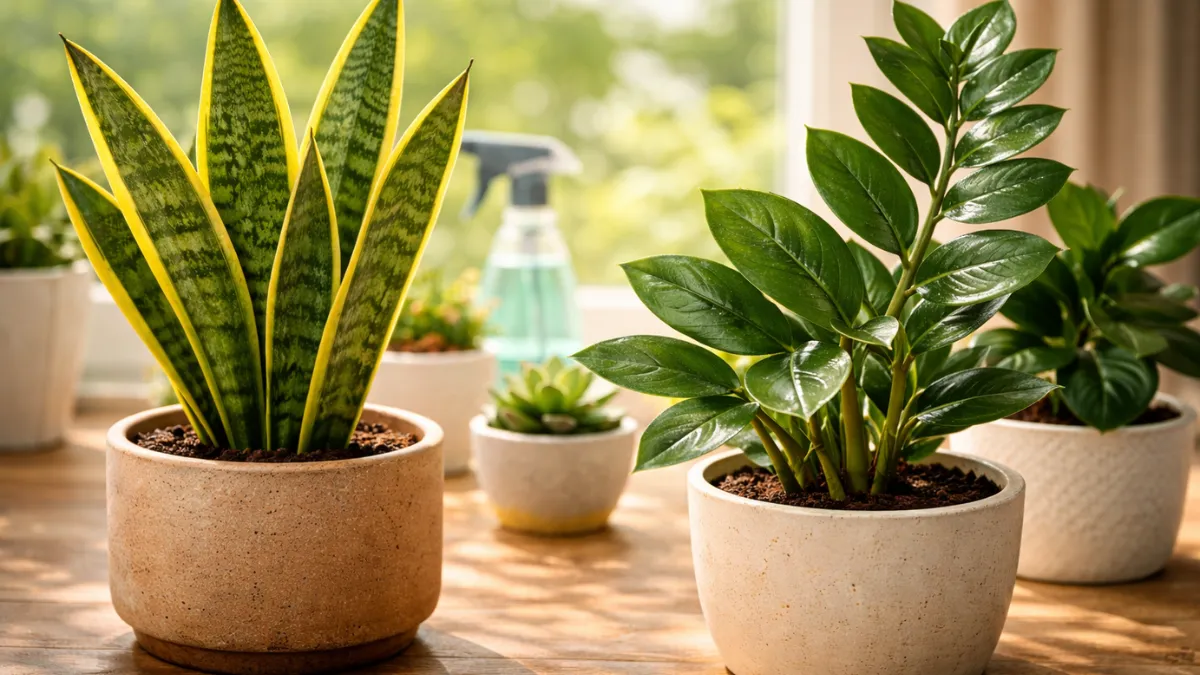
1. Snake Plant – Hardy, slow-growing, and clean
Snake plants have thick leaves and produce very little pollen. I have one in my bedroom, and it has never made me sneeze. It doesn't require much water, so the soil stays mostly dry, preventing mold growth.
2. ZZ Plant – Great for busy people
If you often forget to water your plants, the ZZ plant is perfect for you. Its leaves are glossy and easy to wipe clean. In my living room, dust settles on them, but it's easily removed. It also thrives in low light and rarely causes any irritation.
Avoid these plants if you are sensitive to allergies:
Flowering and fragrant plants
Plants with strong scents or pollen are not good for allergy sufferers. For example, lilies, jasmine, and chrysanthemums may look beautiful, but many people experience irritation around them.
Plants that produce a lot of moisture
Plants like ferns and mosses release moisture. And in enclosed rooms, this can lead to mold growth, which is a major cause of allergies.
Easy care tips to keep your plants safe
Keep dust away
I've learned that even safe plants can cause problems when their leaves are dusty. That's why wiping them down once a week with a soft, damp cloth helps a lot.
Proper watering technique
Don't keep the soil constantly wet. Overwatering is the biggest mistake. Water only when the top layer of soil is dry.
Good air circulation
Place plants near windows or in areas where there is natural airflow. Stagnant air can make a room feel stuffy.
Common Problems and Real Solutions at Home (Helpful Table)
| Problem | Why It Happens | Simple Home Fix |
|---|---|---|
| Sneezing near plants | Pollen or dust on leaves | Choose non-flowering plants and wipe leaves weekly |
| Musty smell | Overwatering causing mold | Water less, improve airflow |
| Itchy skin after touching | Plant sap irritation | Wear gloves, choose safer plants like Snake, ZZ |
| Dust everywhere | Plants not cleaned | Regular leaf cleaning routine |
| Breathing discomfort | Wrong plant selection | Pick allergy-friendly plants only |
Best Rooms for Allergy-Friendly Plants
Bedroom
Choose calm, non-flowering plants. Snake plants work well here because they stay clean and quiet.
Living Room
A ZZ plant or Peace Lily (only if you're not allergic to flowers) can be placed here. However, I personally avoid Peace Lilies for sensitive individuals.
Study Room or Office
Small succulents or a rubber plant are good options. They are clean and easy to maintain.
Related Helpful Articles
• Best Indoor Plants for Beginners (No Gardening Experience Needed)
• Best Indoor Plants for Renters (No Damage, Low Care)
• Best Indoor Plants for Sleep, Stress Relief & Clean Air (2026 Guide)
Final Advice Based on My Own Experience
Allergy-safe indoor gardening is possible with the right plants and simple care routines. Start slowly, try adding one plant to your room, and see how your body reacts. With thoughtful choices, plants can add beauty and tranquility without causing any problems.