


Seasonal allergies can make indoor living uncomfortable, even with your doors and windows closed. Dust, pollen, and dry air often get trapped indoors, prolonging symptoms. Over time, I've found that certain indoor plants have helped make my home feel fresher and easier to breathe in. They don't cure allergies, but when used correctly, they can help keep the indoor environment cleaner.
Quick Comparison:
• Best for Low Light : Snake Plant
• Best for Fast Growth : Areca Palm
• Best for Beginners : Spider Plant
• Best for Air Circulation : Peace Lily
Related News



How Indoor Plants Help with Indoor Allergy Relief
Indoor plants primarily help by improving air circulation and balancing humidity levels. Some plants even trap airborne particles on their leaves, while others add a touch of humidity, reducing irritation from dry air. This doesn't eliminate pollen entirely, but it can make the indoor air feel calmer and less harsh.
Plants should always be viewed as a supplementary tool, not a medical solution. If pollen is entering through clothing or windows, plants alone won't prevent symptoms. Good cleaning habits and ventilation are still crucial. Plants work best in conjunction with regular dusting and controlling airflow.
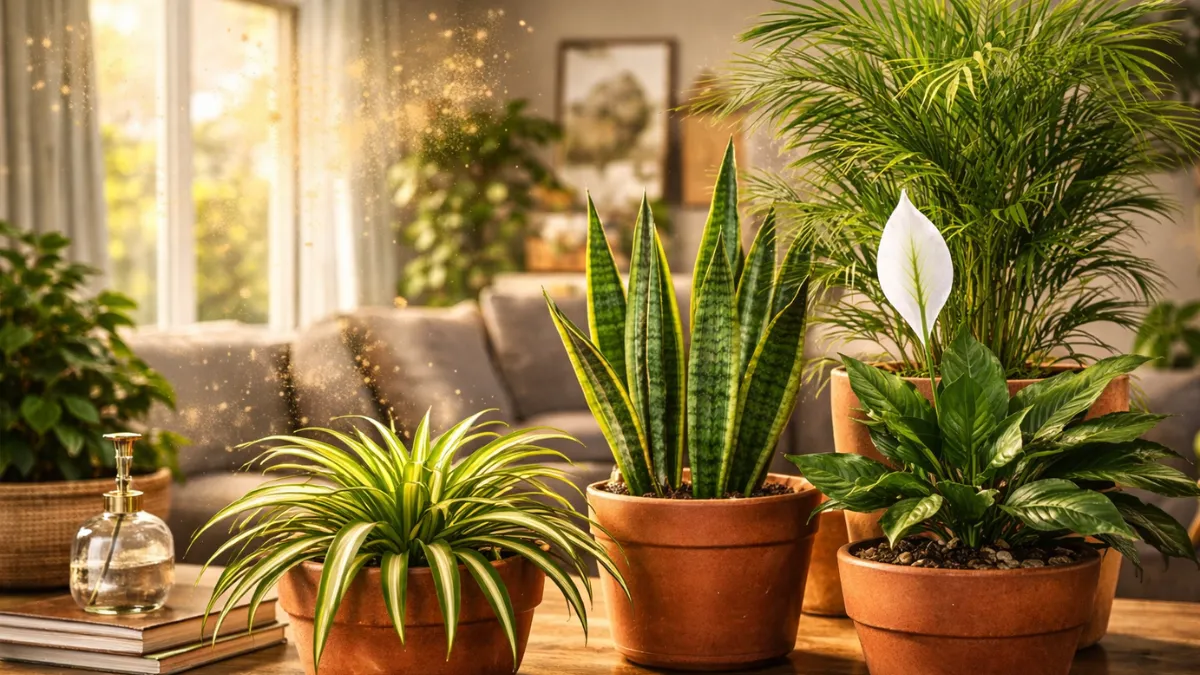
Best Indoor Plants for Seasonal Allergies
Snake Plant (Sansevieria)
The snake plant is one of the easiest plants to keep indoors. Its upright leaves collect dust rather than letting it circulate around the room. I've found it particularly helpful in my bedroom and in less well-ventilated corners.
It easily tolerates low light and irregular watering, making it ideal for allergy sufferers who want low maintenance. Simply wipe down its leaves weekly to prevent trapped particles from being released back into the air.
Spider Plant
Spider plants are hardy, fast-growing plants that thrive in homes where allergies are common. Their long leaves trap airborne particles, especially in active rooms like living areas.
They are non-toxic and easy to care for. I even keep one near a window where pollen can enter. It doesn't completely eliminate pollen, but it definitely helps reduce stale indoor air over time.
Related Article:
Indoor Plants Safe for Asthma & Allergies (Truth Revealed)
Peace Lily
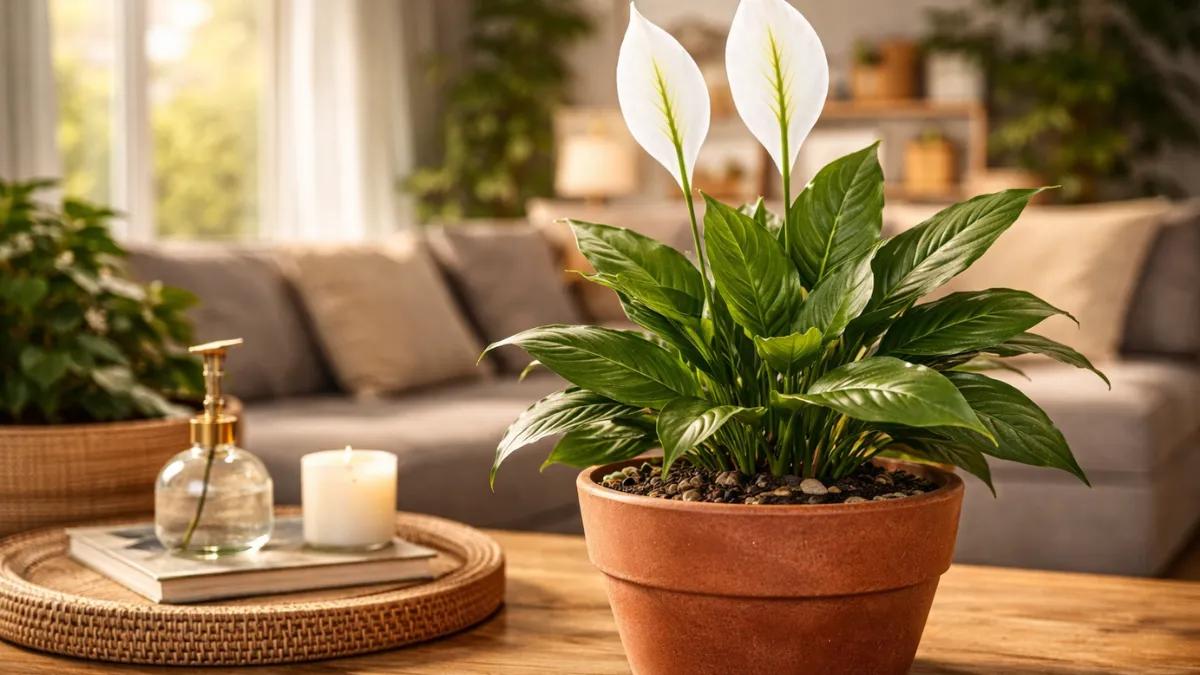
Peace lilies are often mentioned for air quality, but their real benefit for allergies is moisture balance. Dry air can exacerbate sneezing and throat irritation, especially during seasonal changes.
Peace lilies release moisture slowly, which helps reduce dryness indoors. They do require regular care and clean soil, as moldy soil can worsen allergies if left unchecked.
Areca Palm
Areca palms are excellent for improving indoor air circulation. Their broad leaves help with better airflow, preventing dust from settling in one place.
They work best in bright light and larger rooms. I've found they make the space feel lighter, especially during high pollen seasons when windows are kept closed for extended periods.
Plants That May Not Help Allergy Sufferers
Not all indoor plants are good for allergies. Some flowering plants release pollen indoors, which can worsen symptoms. Because strongly scented plants can cause headaches or sneezing in sensitive individuals.
Plants with fuzzy leaves can trap moisture if overwatered, leading to mold growth. Therefore, choosing the right plants and caring for them properly is more important than simply having many plants in a room.
Common Plant Care Mistakes That Worsen Allergies
| Mistake | Why It’s a Problem | Better Fix |
|---|---|---|
| Overwatering | Leads to mold growth | Let soil dry slightly |
| Dusty leaves | Re-releases allergens | Wipe weekly |
| Poor airflow | Traps particles | Rotate plant placement |
| Too many plants | Raises humidity too much | Keep balanced count |
This table is important for everyone because even the right plant, if cared for incorrectly, can worsen allergies.
Where to Place Plants to Help with Allergies
The placement of plants always matters more than the number of plants. Placing plants near entry points like windows or doors helps them quickly capture airborne particles. Bedroom plants should be low-maintenance and kept away from pillows.
Avoid placing plants directly above AC vents, as the airflow can spread dust from the leaves. Regular cleaning around plants ensures their benefits remain consistent and effective.
Related Article:
Indoor Plant Watering Schedule Chart (Weekly & Seasonal Guide 2026)
What Indoor Plants Won't Do for Allergies
Indoor plants won't eliminate pollen, replace air purifiers, or cure seasonal allergies. They also won't work overnight. Their effects are gradual and depend on cleaning habits and room ventilation.
Plants provide comfort, not a cure. Understanding this prevents disappointment and helps set realistic expectations over time.
Related Article:
Should Indoor Plants Be Moved During Seasonal Change?
Final Thoughts on Using Plants for Seasonal Allergies
When chosen and cared for properly, indoor plants can help make your home more comfortable during allergy season. They work best not as a standalone solution, but as part of a clean indoor routine. In my experience, fewer, well-cared-for plants yield better results than filling rooms with greenery. Gradual improvement is normal, and consistency is key.