

You bought a healthy plant.
You placed it with care.
You water it on time.
Yet, it barely grows.
Related News
If this sounds familiar to you, rest assured you aren't doing anything "wrong." Indoor plants often grow at a slower pace than expected, and the reasons for this are usually hidden in small details that we tend to overlook.
Let's understand this in a simple and practical way.
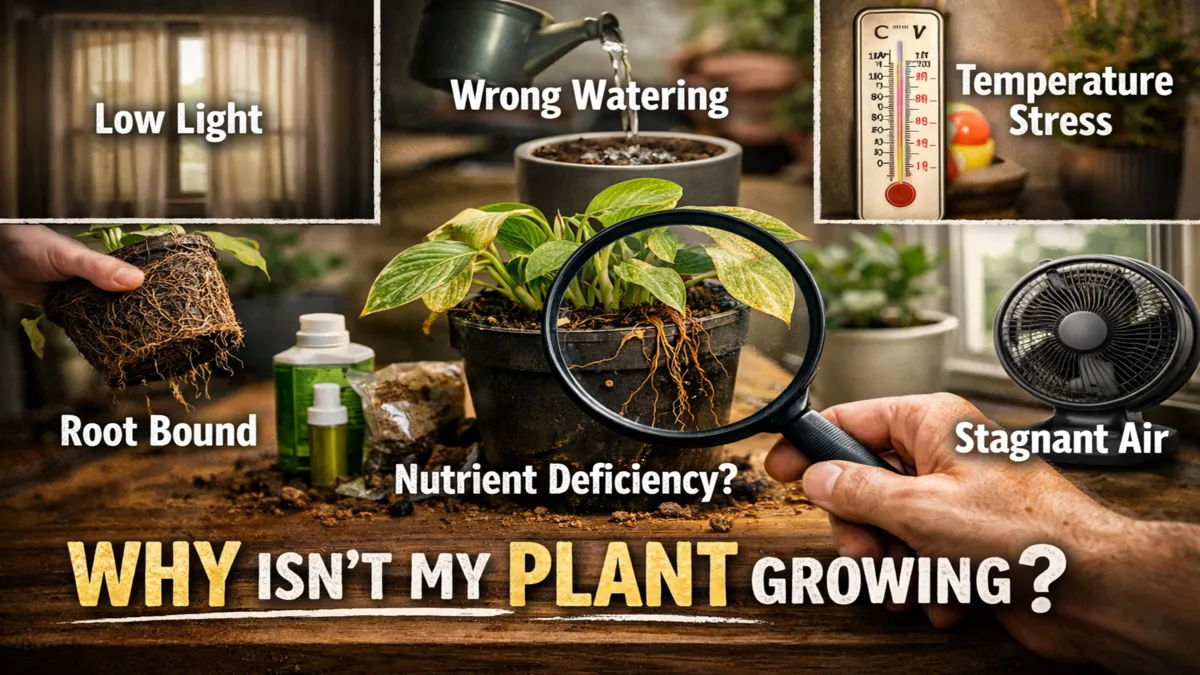
Low Light Is the Biggest Culprit
Most homes simply don't receive enough natural light.
Even a well-lit room can feel dark to a plant. Walls, curtains, and the distance from windows—all of these factors diminish the intensity of the light.
Plants use light to produce their food.
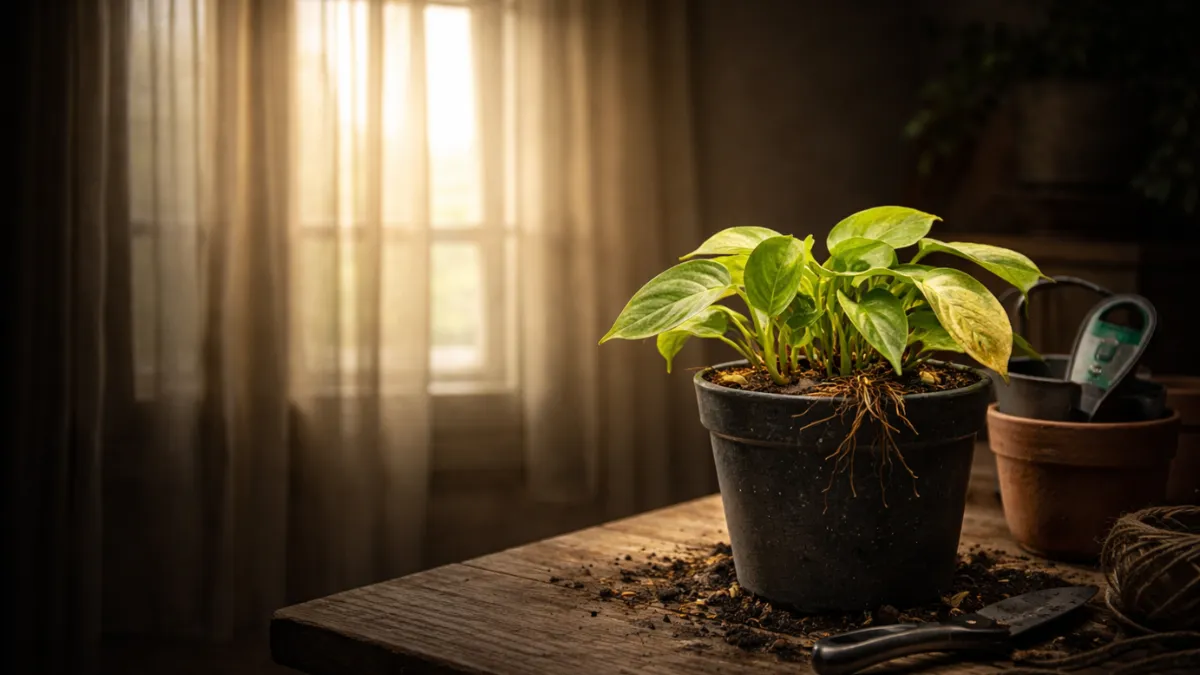
Less light = less energy = slower growth.
In my experience, a plant that had looked merely okay for months suddenly experienced a surge in growth just by being moved closer to a window.
Watering Habits Are Often Slightly Off
You might be watering regularly, but the issue often lies in how and when you water.
Too much water suffocates the roots.
Too little water puts the plant under stress.
Both of these conditions stunt the plant's growth.
A common mistake I used to make was watering according to a fixed schedule. Once I started checking the soil moisture *before* watering, I observed a distinct improvement in the plant's growth.
Indoor Air Is Often Stagnant
Outdoor plants benefit from a constant supply of fresh air.
Indoors, however, the air often remains stagnant or still. This reduces the exchange of gases—a process that is absolutely essential for healthy plant growth.
You don't need a strong gust of wind; simply opening a window occasionally or turning on a fan is usually sufficient.
Nutrient Deficiency
The nutrients present in the soil do not last forever.
After a few months, the soil may become completely depleted of the "food" (nutrients) your plant needs.
If you never add fertilizer, your plant's growth will slow down or come to a complete halt.
Conversely, over-fertilizing can be just as harmful. In my experience, feeding the plant once a month during its growing season is more effective than applying small amounts of fertilizer frequently.
Small Pots Restrict Root Growth
Roots require space to grow.
If your plant has been sitting in the same pot for a long time, its roots may not have enough room to spread out.
When roots are unable to expand, the plant focuses its energy on mere survival rather than on growth.
A clear sign of this is when roots begin to peek out through the drainage holes at the bottom of the pot, or when they become tightly coiled and tangled within the pot itself.
Incorrect Temperature
Most indoor plants prefer a consistent, mildly warm temperature. Excessive cold slows down growth; excessive heat puts the plant under stress.
Air conditioners, heaters, and sudden temperature fluctuations can impact plant growth far more than you might imagine.
Try to provide your plant with a stable and consistent environment.
Low Humidity Affects Growth
Indoor air is often dry, especially when fans or air conditioners are running.
Many common houseplants originate from regions with high humidity levels.
While low humidity doesn't always kill a plant, it certainly slows down its growth.
You may observe the following signs:
• Browning of leaf edges
• Curling of leaves
• Slowed emergence of new growth
Grouping plants together or using a simple tray of water can be helpful solutions.
Incorrect Soil Mix
Not all soil is created equal.
Heavy soil retains excessive moisture.
Very loose soil dries out too quickly.
Both of these conditions can stunt root development.
In my experience, using well-draining soil made a more significant difference than using fertilizer.
The Plant Is Adjusting to the Indoor Environment
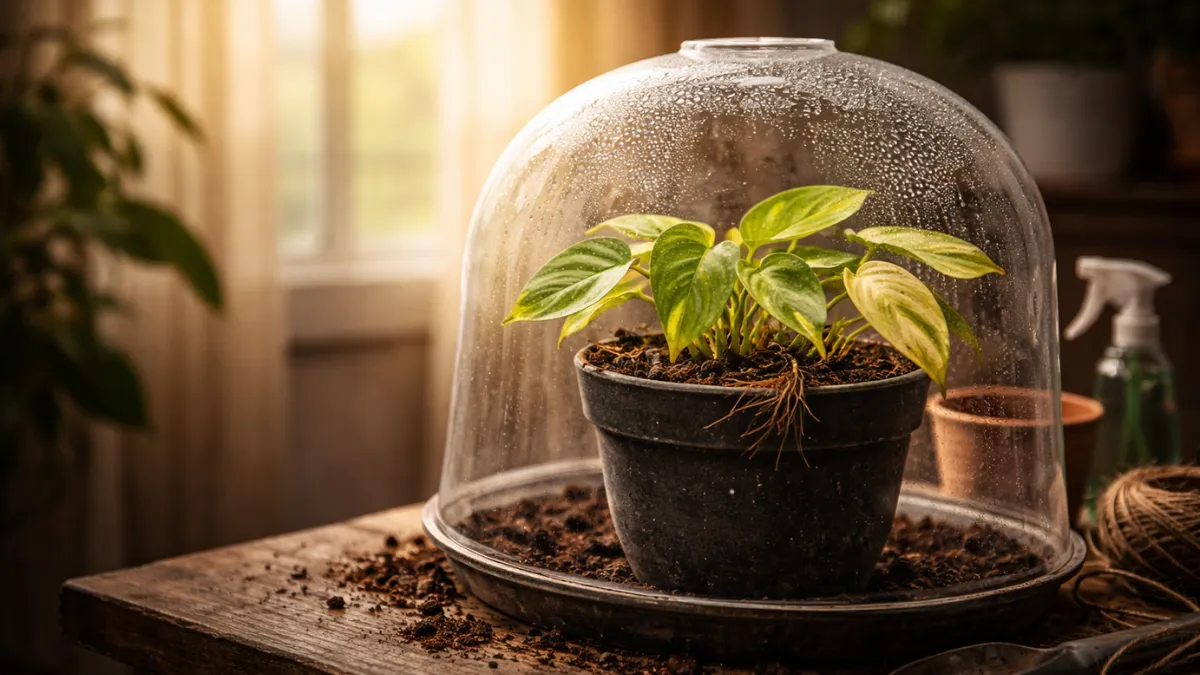
When you bring a plant home, it goes through a shock phase.
Light, humidity, temperature—everything changes.
During this period, growth may come to a complete standstill.
This is perfectly normal.
Give it a few weeks to settle in. Once it has adjusted, growth typically resumes.
Seasonal Slowdown in Growth Is Natural
Plants do not grow at the same pace all year round.
During winter or months with low light, growth naturally slows down.
This is not a problem; it is simply a part of the plant's life cycle.
Attempting to force growth during this period often does more harm than good.
Hidden Root Issues
Sometimes, the problem lies beneath the surface.
Overwatering, poor drainage, or overly compacted soil can damage the roots.
Healthy roots = Healthy growth.
If your plant hasn't shown any growth for months despite receiving proper care checking the roots may reveal the underlying issue.
A Fundamental Limit
Even with the utmost care, indoor plants almost always grow more slowly than their outdoor counterparts.
The indoor environment is controlled, but it is not natural.
Therefore, rather than expecting rapid growth, it is better to focus on consistent and healthy growth.
Simple Ways to Improve Growth
You don't need to change everything. Small, minor adjustments are often the most effective.
• Move the plant closer to natural light
• Check the soil before watering
• Fertilize occasionally during the growing season
• Repot the plant when its roots begin to outgrow the pot
• Slightly improve air circulation
In my experience, simply correcting one or two of these factors can lead to a noticeable difference within just a few weeks.
Final Thoughts
Slow growth does not signify failure.
It usually means that your plant is quietly adapting to its surrounding environment.
Once you understand these underlying factors, everything begins to make sense.
You stop guessing.
You start observing closely.
And that is when caring for plants becomes easy.
Also Read :
7 Common Indoor Plant Mistakes That Slowly Kill Your Plants
Why Indoor Plants Drop Leaves Overnight (Hidden Reasons)
Roots Are Healthy But Plant Not Growing? Hidden Reasons Explained
Written for IndoorPlantify, based on genuine personal experience in caring for indoor plants.