

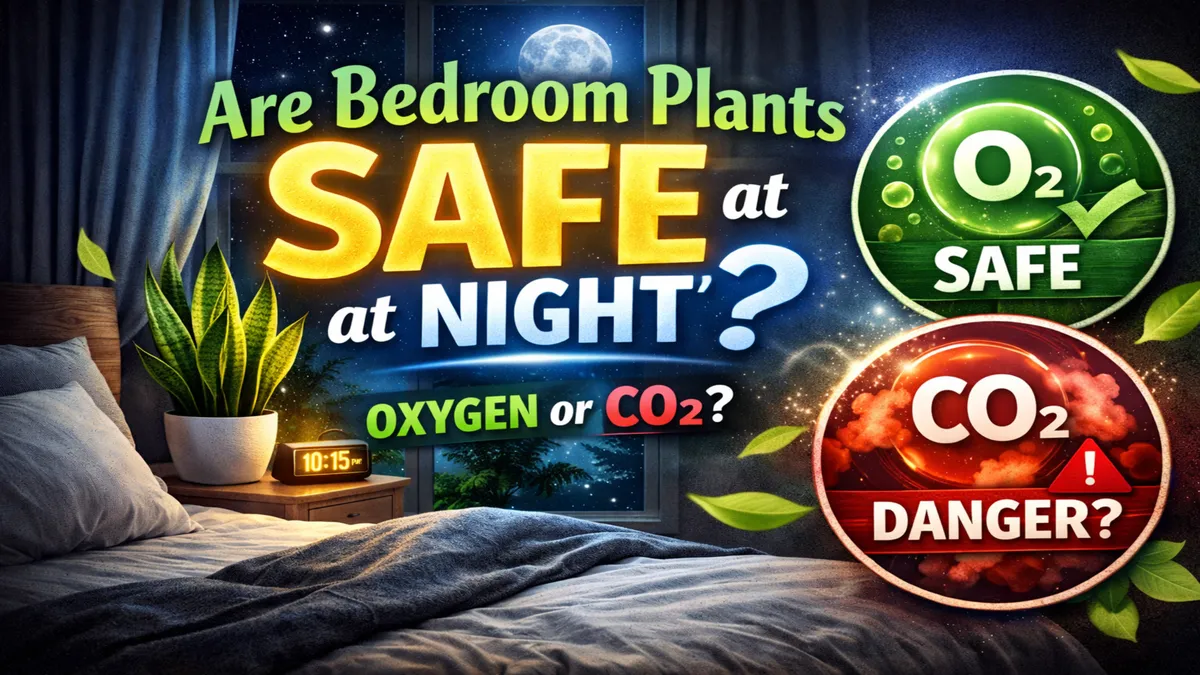
Many people believe that indoor plants release oxygen at night and improve air quality while you sleep. This claim is often repeated online, but the truth is more nuanced. While most plants release oxygen during the day, they consume oxygen at night through respiration. However, a few specific plants behave differently. In this article, we break down the myth vs fact about indoor plants and oxygen at night, explain the science behind plant respiration, and clarify whether keeping indoor plants in bedrooms is actually beneficial or not.
Quick Answer:
Most indoor plants do not release oxygen at night. They release oxygen during the day and consume small amounts of oxygen at night. Only a few plants with CAM photosynthesis may release oxygen at night, but the effect is minimal.
Do Indoor Plants Release Oxygen at Night?
Indoor plants mostly release oxygen during the day when they receive sunlight. At night, most plants begin respiration and release a small amount of carbon dioxide. However, this is normal and not harmful. I have kept plants in my bedroom for many years, and nothing dangerous has ever happened.
Related News



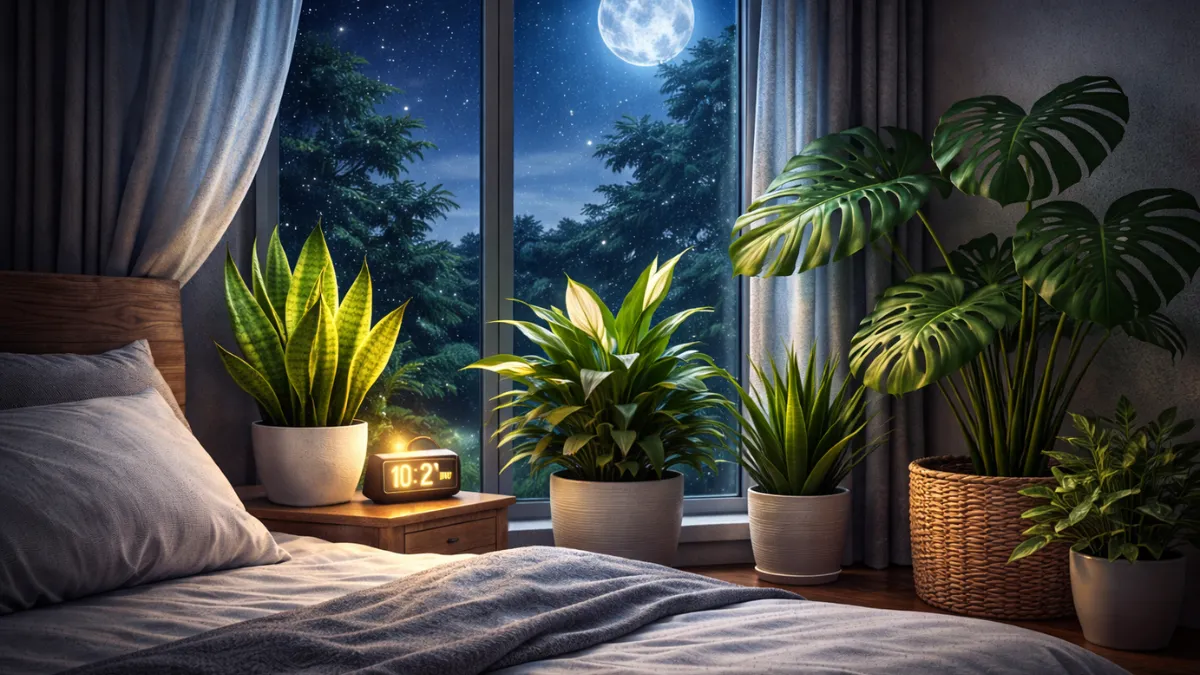
However, some plants can release small amounts of oxygen at night due to a special process called CAM photosynthesis. These include plants like snake plants, aloe vera, and orchids. Even so, the amount of oxygen released is not significant enough to drastically change the air in a room like a machine or air purifier would.
Why this rumor started and what actually matters
People often assume that plants act like 24/7 air purifiers. But in real homes, plants make rooms feel fresher, primarily by improving humidity, reducing dust accumulation, and creating a psychological sense of calm. But this fresh "feeling" isn't solely due to oxygen.
Also, some social media videos claim that plants make rooms unbreathable at night. But this is simply not true. The amount of CO₂ they release is very small and nowhere near harmful levels. I sleep in my room with plants, and like many plant lovers, I have never experienced any breathing difficulties.
Are There Any Plants That Release Oxygen at Night?
Plants breathe just like humans do. During the day, they perform photosynthesis and produce oxygen. At night, they primarily respire. This is natural. If you keep the right number of plants indoors, you won't notice any change in air quality.
Plants that release oxygen at night:
• Snake Plant (Sansevieria) – I keep this in my bedroom. It's easy to care for.
• Aloe Vera – Needs sunlight during the day, but is fine at night.
• Orchids – Look beautiful and are safe for the bedroom.
Bedroom Plants: Safe or Dangerous?
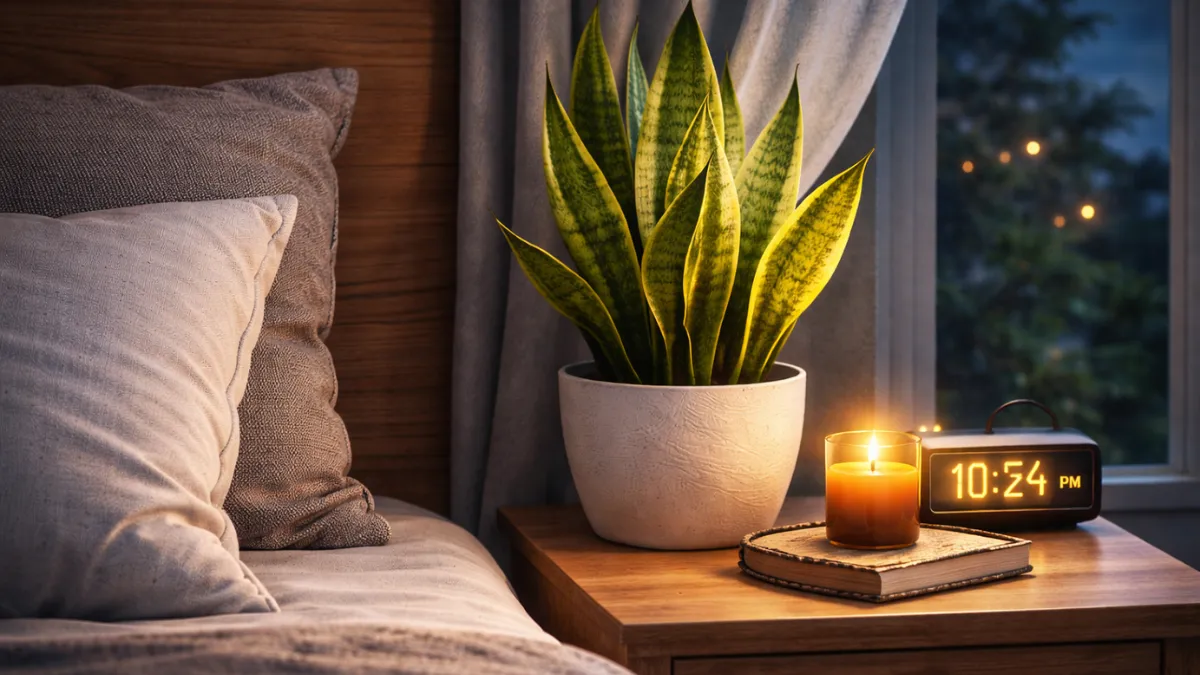
From my own experience, bedroom plants are perfectly safe. Just don't overcrowd the room with them. A small room filled with 20-30 plants might feel humid and stuffy, not because of oxygen, but due to poor airflow. With 2-5 plants, you'll be perfectly fine.
If you have asthma or dust allergies, choose clean plants with smooth leaves and clean them regularly. Plants with overly moist soil can develop mold, and that's what can cause problems – not the oxygen or carbon dioxide.
Real-Life Mistakes People Make with Indoor Plants at Night
Here are some common mistakes I've seen people make and how to correct them for everyday use at home.
| Problem / Myth | Real Cause in Home | Simple Fix |
|---|---|---|
| “Plants make room unsafe at night” | Misunderstanding plant breathing | Keep normal plant count. Relax. |
| Room feels heavy at night | Poor ventilation, closed windows | Open window sometimes, allow airflow |
| Plants dying indoors | Low light, overwatering | Use bright indirect light and water correctly |
| Moldy smell near plants | Damp soil | Improve drainage, avoid overwatering |
Is It Safe to Keep Indoor Plants in the Bedroom?
Yes, you can. Plants make rooms feel vibrant and peaceful. Just give them the right amount of sunlight each day and avoid overcrowding a room with too many plants. Let your room breathe too. I've been doing this for years, and it feels nice, calming, and natural.
Related Articles
Indoor Plants : Complete Beginner-to-Expert Guide (2026 Edition)
Air Purifying Indoor Plants People Are Loving in 2025
Overwatering Is not the Problem : The Real Reason Your Plants Are Dying
Final Thoughts
Indoor plants don't magically pump out oxygen all night, nor do they harm you by releasing dangerous carbon dioxide. They simply live normal lives, just like us. With proper care, adequate light, and the right placement, indoor plants are safe, comforting, and wonderful additions to any home.