

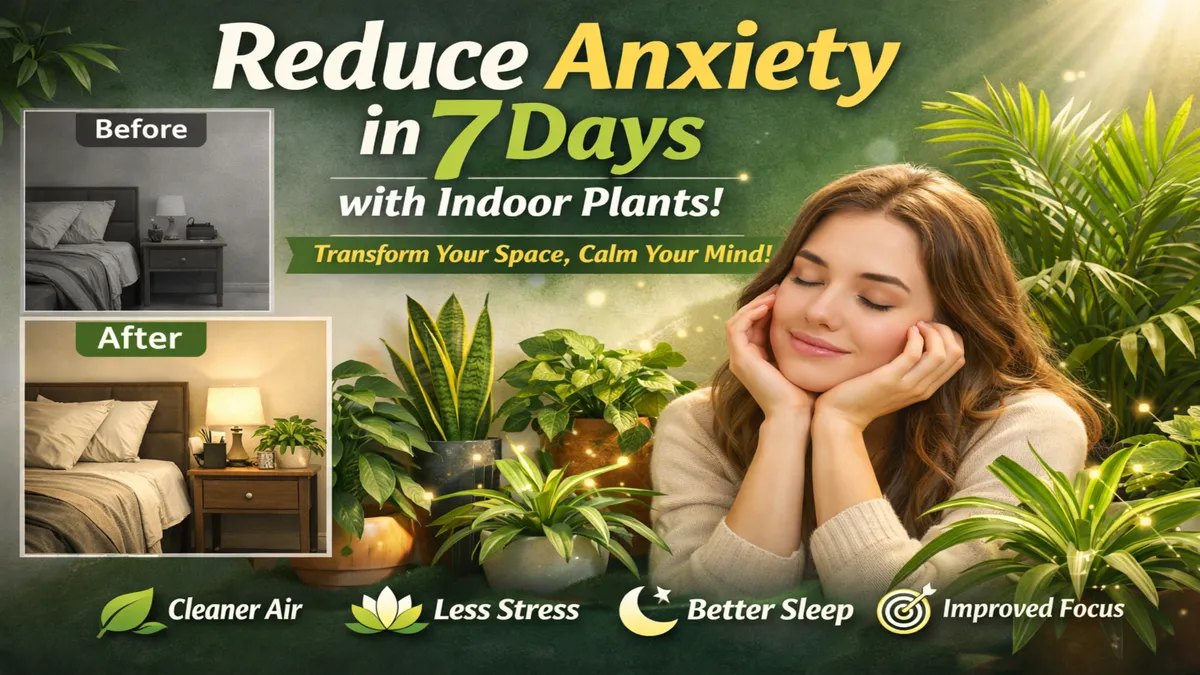
Anxiety often builds up quietly at home. Symptoms include chest tightness, racing thoughts, and poor sleep. I experienced this during a stressful week when my room felt empty and unsettling. While adding a few indoor plants didn't change my life overnight, the space felt calmer within a few days. Plants don't cure anxiety, but they help create a peaceful environment that, when used correctly, naturally supports your mind.
Quick Comparison:
• Best for low light : Snake Plant
• Best for fast growth : Pothos
• Best for beginners : Spider Plant
• Best for air circulation : Areca Palm
Related News



How Indoor Plants Affect Your Mind and Nervous System
Indoor plants affect anxiety by changing how your mind reacts to your surroundings. Their green color reduces mental fatigue. Natural shapes slow down racing thoughts. Caring for a living plant gives your mind something gentle and predictable to focus on during stressful moments.
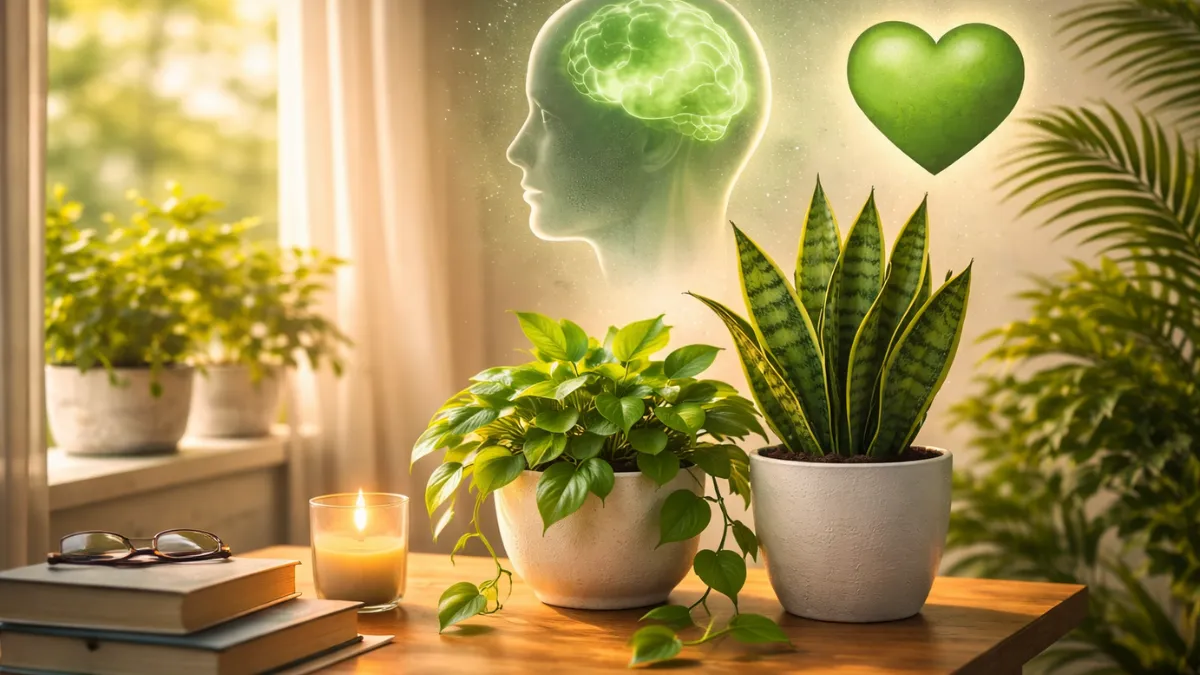
Plants also help balance indoor air and humidity levels. Dry, stale air often exacerbates headaches and restlessness. When you can breathe easier, your body gradually relaxes. This physical relaxation sends calming signals to your nervous system, making anxiety feel less intense over time.
What Changes You Might See in the First 7 Days
In the first few days, the biggest change isn't emotional. It's environmental. Your room feels softer and less harsh. Light reflects better. Corners feel vibrant instead of empty. This visual shift reduces background stress without you even trying to relax.
By the fourth or fifth day, many people report better focus and slightly improved sleep. Plants near the bed or work desk create a grounding effect. This doesn't make anxiety disappear, but it reduces its intensity. This is because your brain processes fewer stress signals from the environment.
The Best Indoor Plants That Help Reduce Anxiety
Not all plants help with anxiety equally. Some require too much care, which can increase stress. Others quietly thrive and create a sense of calm without demanding attention.
1. Snake Plant
This plant does well in low light and requires very little water. Its upright leaves create a clean, structured look that feels mentally calming. It's ideal for bedrooms and quiet corners.
2. Pothos
Pothos grows very quickly and looks vibrant even in average conditions. Watching new leaves grow provides a sense of progress, which can subtly improve mood during anxious times.
3. Spider Plant
Spider plants are light, playful, and easy to grow. They look great on shelves and in hanging baskets. The gentle movement of their leaves provides a soothing visual flow in indoor spaces.
Related Article:
Indoor Plants : Complete Beginner-to-Expert Guide (2026 Edition)
Where to Place Plants for Maximum Calming Effect
The placement of plants matters more than the quantity. One plant placed in the right spot is more helpful than several plants scattered haphazardly.
| Placement Area | Why It Helps |
|---|---|
| Near bed | Supports calmer sleep environment |
| Work desk corner | Reduces mental overload |
| Window side | Improves light balance |
| Entry area | Creates calm first impression |
Avoid placing plants where they obstruct movement or block light. Visual clutter increases anxiety rather than reducing it.
Why Plants Alone Can't Instantly Cure Anxiety
Plants are a support tool, not a cure. They don't fix chemical imbalances or deep-seated emotional causes. If anxiety stems from unresolved stress, lack of sleep, or overwork, plants can only mitigate the effects, not eliminate them.
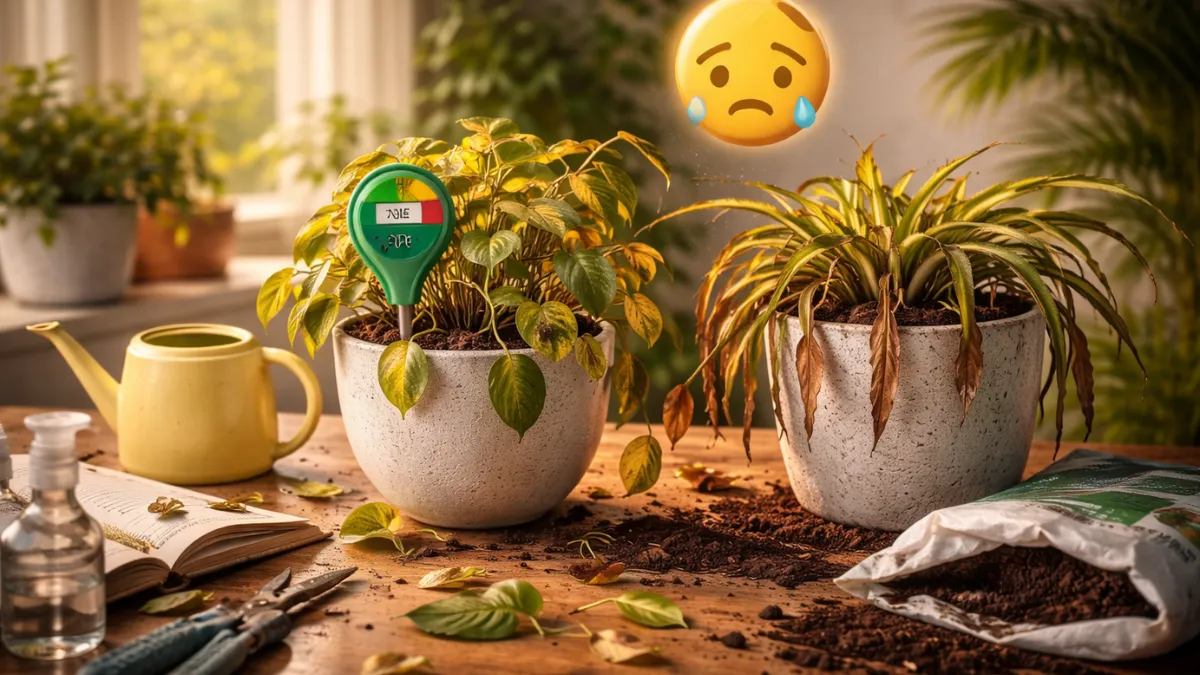
Also, buying too many plants at once often backfires. Overwatering, pests, and the stress of maintenance can actually increase anxiety. Always start small. Let plants support your space, not control your routine.
Simple Daily Habits That Make Plants More Effective
Spend a quiet minute each day observing your plants. No phone. No multitasking. This short break does wonders for resetting the cycle of anxious thoughts. And only water them when the soil feels dry. Over-caring creates pressure.
Keep the leaves clean. Dusty plants diminish the air quality and visual appeal. A clean plant looks fresh and vibrant, which subtly contributes to emotional peace.
Related Article:
Do Indoor Plants Reduce Mobile & Laptop Radiation? Truth Revealed
Related Article:
7 Common Indoor Plant Mistakes That Slowly Kill Your Plants
Final Thoughts on Using Plants to Help with Anxiety
Indoor plants create a calming home environment, not a miracle cure. Within seven days, they can reduce anxiety by improving air quality, visuals, and emotional stability. The key is choosing low-stress plants and placing them thoughtfully. When your space feels calm, your mind gradually follows suit. Let plants support your daily rhythm, not replace genuine self-care or professional help.