

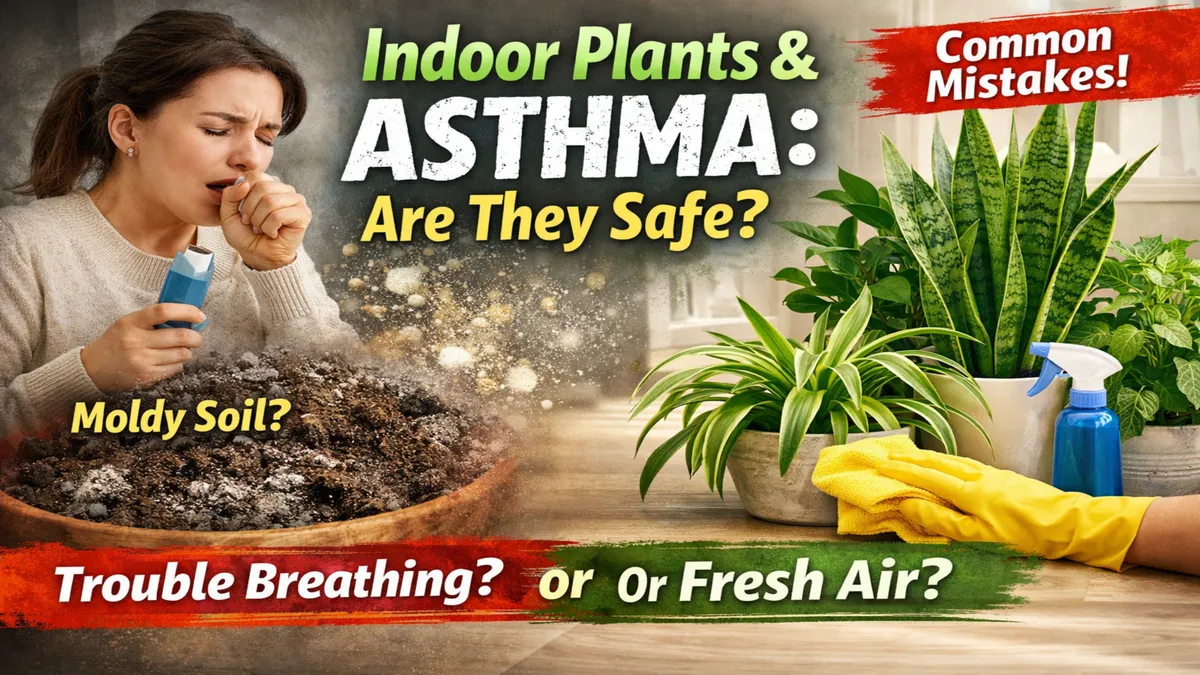
Many people enjoy having indoor plants in their homes because they want to naturally freshen and liven up their rooms. But if someone in the family has asthma, it's natural to wonder: Do plants help with breathing, or can they make breathing more difficult? Let's discuss this issue in detail, based on real-life home experiences.
Do Indoor Plants Really Affect Asthma?
Indoor plants can be safe for asthma sufferers if they are chosen and cared for properly, as the main problems usually stem not from the plant itself, but from dust on the leaves, mold in the soil, and strong fragrances.
Related News

However, some plants can cause problems if they are kept in damp places, overwatered, or left dusty for months. I've experienced this myself at home when a peace lily plant kept near the bathroom emitted a musty smell and caused slight breathing difficulties.
The problems usually arise from poor care, not from the plant itself.
Why Are Asthma Sufferers Concerned About Indoor Plants?
Many asthma sufferers often worry that plants might release pollen indoors, attract insects, or grow mold in the soil. This fear is understandable, especially when breathing is already sensitive and even small things can seem significant.
From my own experience, I've observed that problems mostly start when plants are kept in dark corners, overwatered, or not cleaned regularly. But when plants are placed in bright, airy rooms, watered appropriately, and occasionally wiped clean, they are usually safe and harmless.
Which Indoor Plants Seem Safer in Everyday Life? Some plants seem more comfortable for asthma sufferers because they often don't shed flowers, don't have strong fragrances, and don't require excessive watering. Simple green-leaved plants generally behave much better than flowering or fragrant plants.
Plants I found most comfortable in my home:
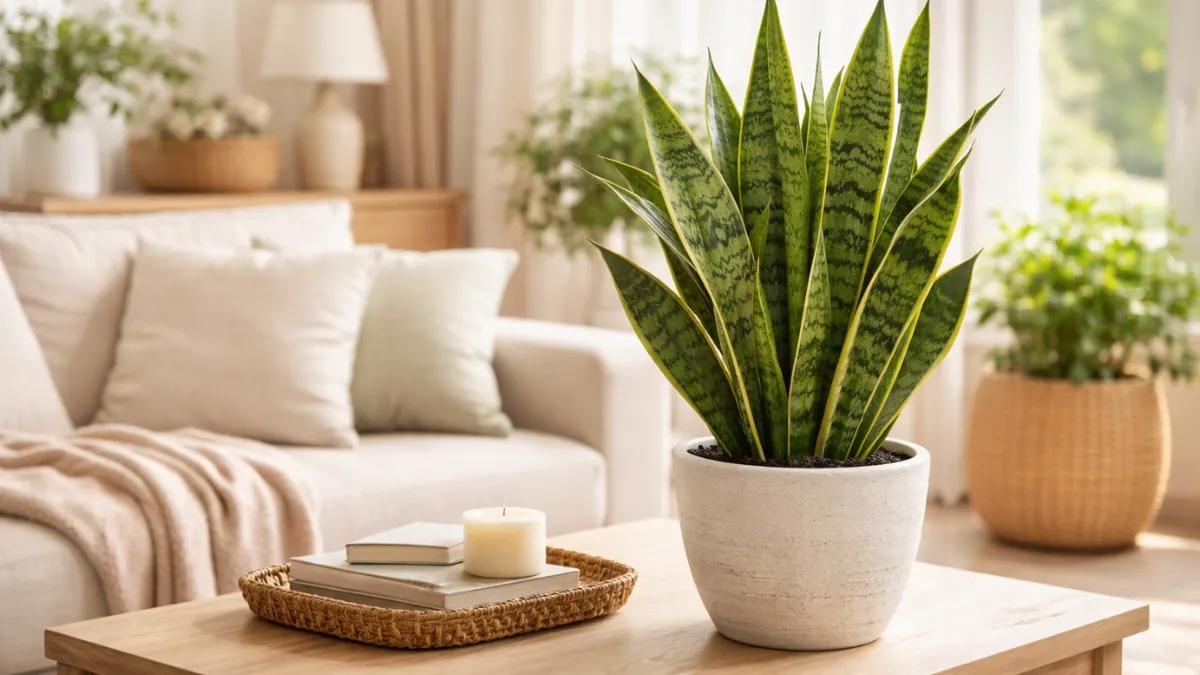
• Snake plant (easy, low dust, thrives well)
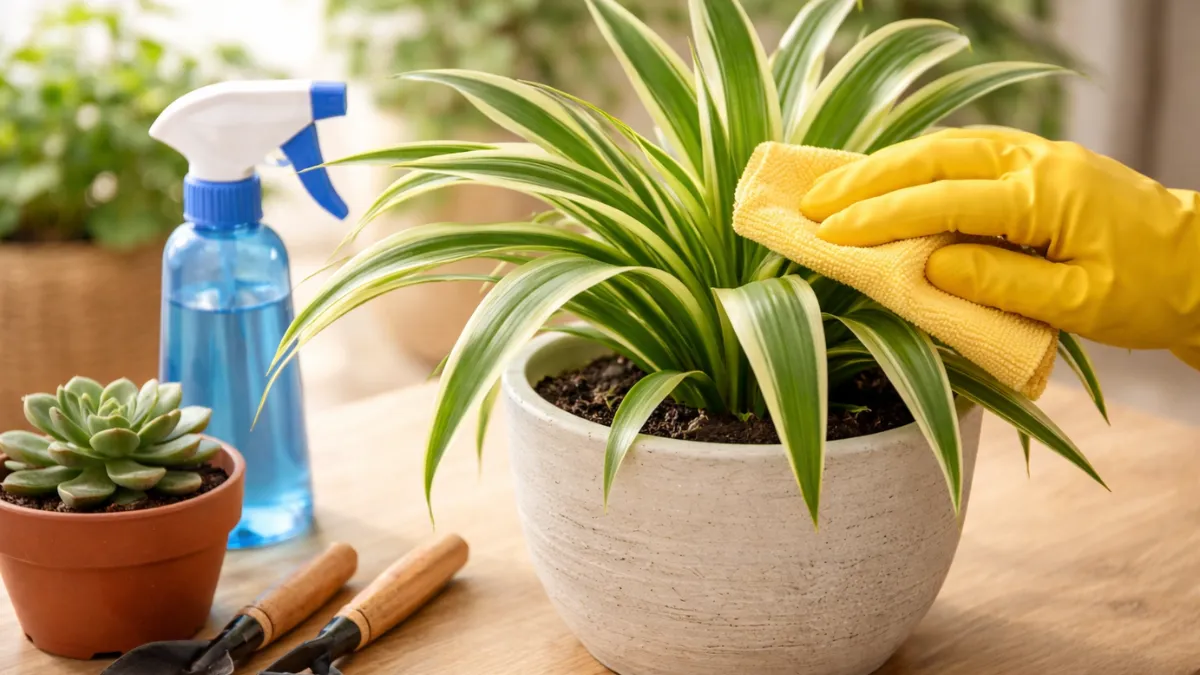
• Spider plant (lightweight, simple, requires minimal care)
• ZZ plant (clean look, doesn't get messy)
• Areca palm (fine if cleaned occasionally)
These plants have done well in the corners of my living room and bedroom, keeping the air clean without causing any breathing difficulties.
The Real Triggers You Need to Understand
Asthma sufferers don't always react to the "plants" themselves. They react to things associated with the plants.
What usually goes wrong?
• Dust accumulating on the leaves
• Mold growing in damp soil
• Plants with very strong scents
• Flowering plants with pollen
Having too many plants in a closed room
I learned this the hard way when I placed too many plants near a low-light window. The soil in their pots remained damp for days, a light white mold appeared, and the room felt heavy and stuffy.
Easy Home Care Tips That Really Help
Keeping Your Plants Safe for Asthma Sufferers
• Wipe the leaves every 10-12 days
• Avoid overwatering
• Keep plants in well-ventilated rooms
• Avoid plants with very strong fragrances
• Don't keep the soil constantly wet
• Keep only a few plants in the bedroom, not too many
Common Mistakes vs. Easy Solutions
| Mistake at Home | Why It Causes Problems | Simple Safe Fix |
|---|---|---|
| Overwatering plants | Wet soil grows mold | Water only when soil feels dry |
| Keeping plants in dark corners | Dampness stays longer | Keep near windows or light |
| Never cleaning leaves | Dust becomes trigger | Wipe leaves gently |
| Using very fragrant plants | Strong smell irritates breathing | Choose simple green plants |
| Keeping too many plants in one room | Airflow reduces | Keep 2–3 plants only |
Which Plants Should Asthma Sufferers Avoid?
Based on my own experience, the following types of plants can be more risky:
• Plants with strong fragrances
• Plants that frequently shed their flowers
• Plants that are constantly kept wet
• Plants whose soil shows white mold
If someone already has severe asthma,
or if their asthma is very sensitive, it's best to keep plants in common areas like the living room rather than the bedroom. Also, observe their reaction for a few days. If breathing difficulties occur, remove the plant immediately. Because comfort is always more important than decoration.
Related articles
“The best indoor plants for clean and fresh indoor air”
“These are the mistakes many people make when caring for indoor plants at home”
“Low-maintenance indoor plants for busy people”
Conclusion
Indoor plants can be safe for asthma sufferers, but only if they are kept clean, dry, and well-maintained. The problem is usually not the plant itself, but rather dust, damp soil, and poor care. Always choose simple plants, avoid strong fragrances, and keep your home well-ventilated and comfortable.