


If you have asthma or allergies, you have to be extra careful about everything inside your home. I've seen this in many families, including my own relatives. Dust, strong scents, and even the wrong plants can trigger sneezing or breathing difficulties. But the good news is that some indoor plants are actually gentle and safe. When chosen carefully, they can make your home calmer, fresher, and more breathable without triggering asthma or allergies.'
Quick comparison:
Best for low light : Snake plant
Best for fast growth : Areca palm
Best for beginners : Spider plant
Best for air circulation : Peace lily
Related News


Why choosing the right plants is important for asthma-friendly homes
Many people think all plants purify the air, but that's not entirely true. Some plants release a lot of pollen or accumulate a lot of dust on their leaves. For asthma sufferers, this can be problematic. That's why choosing the right plant is more important than just choosing any plant.
Asthma-safe plants typically have smooth leaves, low pollen production, and slow mold growth in the soil. These plants improve indoor air circulation and don't emit strong fragrances. This makes everyday breathing easier, especially at night or in the early morning.

Snake Plant – Calm, Clean, and Low-Maintenance
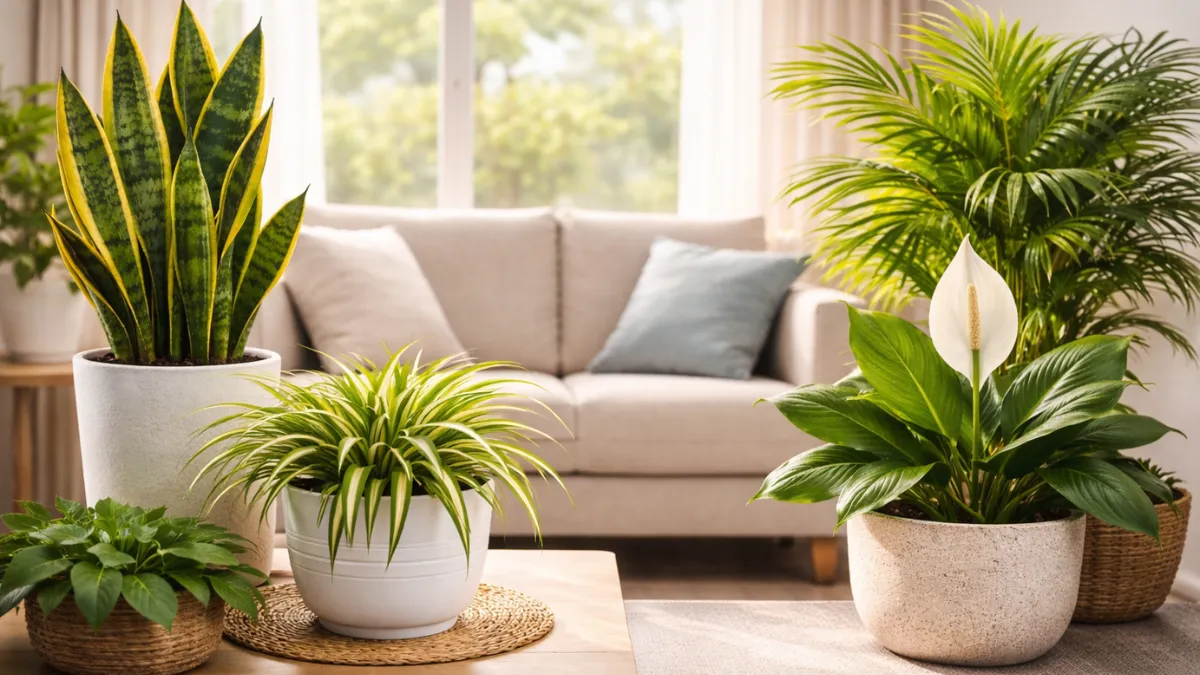
The snake plant is one of the safest options for homes with asthma and allergies. It's often recommended by doctors because it doesn't release pollen. Its thick leaves don't accumulate much dust, and it thrives with minimal care.
I've seen snake plants in bedrooms and living rooms without causing any breathing difficulties. It also helps maintain oxygen balance at night, providing relief for those who experience breathing problems while sleeping.
Areca Palm – A Natural Air Circulator
The Areca Palm is popular in many homes for a good reason. It helps improve air circulation and adds a touch of humidity to dry indoor air. Dry air often exacerbates asthma symptoms, especially during winter or in air-conditioned rooms.
This plant thrives near windows or balconies. Its lush foliage looks full, but a weekly wipe prevents dust buildup. Many allergy sufferers find comfort around Areca Palms with basic care.
Related Article: [Spider Plant vs Snake Plant for Asthma : Which Is Safer?]
Spider Plant – Gentle, Safe, and Family-Friendly
The Spider Plant is a boon for homes with children, pets, and allergy sufferers. It's non-toxic and doesn't release harmful particles into the air. Doctors also consider it safe for sensitive households.
It grows well in hanging baskets and doesn't require much watering. Less water means less chance of mold growth in the soil, which is crucial for creating asthma-friendly indoor spaces.
Peace Lily – Gentle Humidity and a Fresh Feel
The Peace Lily naturally helps increase humidity, which can alleviate dry throats and coughs. Its flowers are beautiful but don't release airborne pollen like outdoor plants.
This plant prefers indirect light and well-draining soil. Regular leaf cleaning keeps dust at bay. And when properly cared for, the Peace Lily creates a soothing environment rather than an irritating one.
Best Placement Tips for Asthma-Friendly Plants
Plant placement is just as important as plant selection. Even safe plants can cause problems if placed incorrectly. Avoid placing plants where they receive direct airflow from air conditioners or heaters. This prevents dust or soil particles from spreading in the air.
Do not place too many plants in a single room. Two to three plants are sufficient for a medium-sized room. For optimal comfort, always allow for good air circulation around the plants.
Common mistakes and easy solutions
Below is a simple table that will greatly help you avoid common mistakes that can worsen asthma symptoms.
| Mistake | Simple Fix |
|---|---|
| Overwatering plants | Water only when soil top is dry |
| Dusty leaves | Wipe leaves weekly with damp cloth |
| Poor ventilation | Keep window slightly open daily |
| Too many plants | Limit plant count per room |
Choosing Soil and Pots for Allergy Protection
Many people overlook the soil, but it plays a significant role in allergies. Always use well-draining soil to prevent mold or mildew growth. Mold spores indoors are a common trigger for asthma.
Choose pots with drainage holes. Avoid decorative pots without proper ventilation. Clean the pots every few months to maintain a healthy indoor environment.
Related Article: [Spider Plant Benefits : Does It Really Clean Indoor Air?]
How Doctors View Indoor Plants for Asthma
Most doctors agree that indoor plants are safe if chosen wisely and cared for properly. They advise against strong-scented or heavily flowering plants for asthma sufferers.
Doctors emphasize cleanliness over quantity. A few clean, healthy plants are better than many neglected ones. This balanced approach soothes both the mind and the lungs.
Related Article: [Indoor Plants : Complete Beginner-to-Expert Guide (2026 Edition)]
Final Thoughts from a Real-Life Experience
For people with asthma and allergies, indoor plants can be friends, not foes. The key is gentle plants, clean leaves, the right soil, and careful placement. In my experience, the right greenery makes a home feel peaceful. When plants are cared for patiently, they quietly contribute to better breathing.