

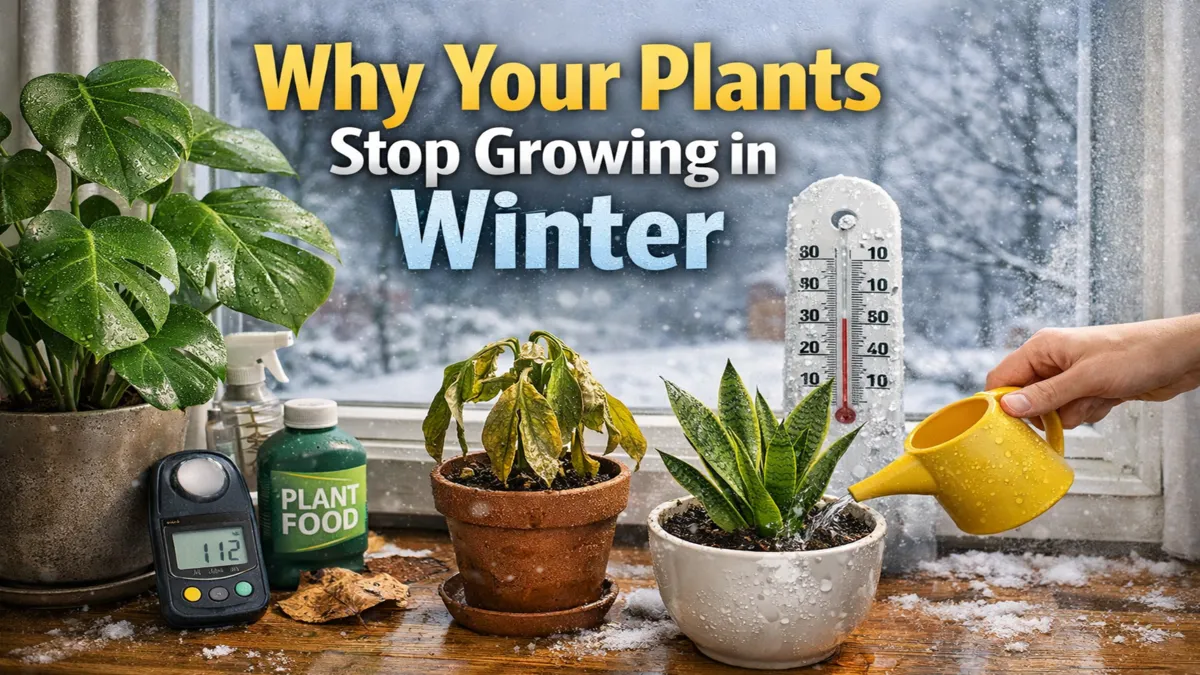
Indoor plants often grow slowly in winter. Sometimes they stop growing completely, and many plant owners begin to worry that something is wrong.
But in most cases, nothing is actually wrong.
Related News

The natural environment inside your home changes in winter. Light decreases, days become shorter, and temperatures drop. Plants react to these changes by slowing their growth.
Once you understand why this happens, it becomes much easier to keep your plants healthy during the colder months.
Plants Naturally Slow Down in Winter
Most indoor plants follow a natural growth cycle.
In spring and summer, they grow faster because light is brighter and temperatures are warmer. In winter, plants enter a slow phase often called dormancy.
Dormancy simply means that the plant is resting.
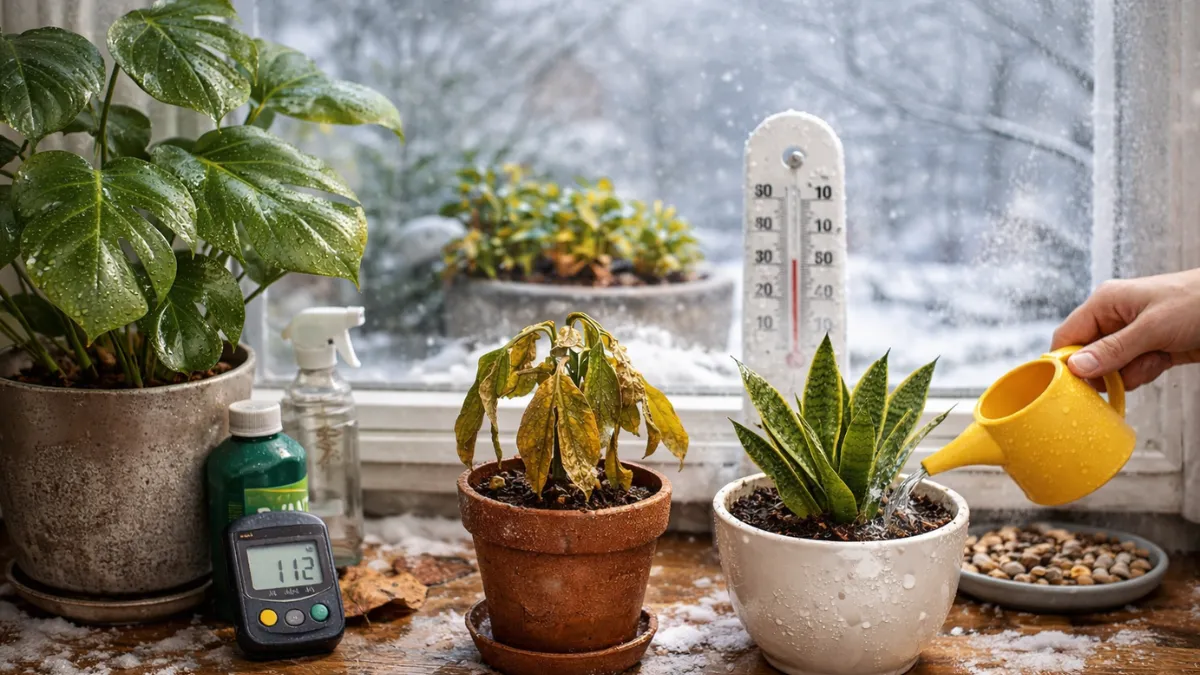
Instead of producing new leaves or stems, the plant focuses on maintaining its existing structure and conserving energy.
In my experience, many plants that stop growing completely in December resume growth naturally in early spring without any special treatment.
Low light is the biggest culprit.
Light levels inside homes are significantly reduced during winter.
Days become shorter, the sun is lower in the sky, and windows receive less direct light. Even rooms that are bright in summer can become dimly lit in winter.
Plants rely on light to produce energy through photosynthesis. When light is low, the plant cannot support new growth.
I once kept a pothos plant in a corner that seemed to me to be quite bright. Over winter, the plant stopped producing new leaves for about two months. After moving it closer to a window, growth gradually returned.
Easy Solution
Move plants closer to windows in winter.
South- or east-facing windows typically provide the most consistent light. Even moving a plant just a few feet closer to natural light can make a significant difference.
Cool indoor temperatures affect growth
Many indoor plants come from tropical environments.
They prefer a stable temperature between 18–27°C (65–80°F). In winter, indoor temperatures often drop, especially at night or near windows.
Cold air slows down a plant's metabolism. When this happens, growth slows significantly.
Some plants also react poorly to cold air coming from windows, doors, or air conditioners.
Easy Solution:
Try to keep plants away from sources of cold air, such as:
• Misty windows
• Frequently opened doors
• Air conditioning vents
A consistent indoor temperature helps plants stay healthy in winter.
Overwatering has become a common winter problem.
This is one of the biggest mistakes people make.
Because plants aren't actively growing in winter, they need much less water. But many plant owners continue to water them as they do in summer.
Excess water stays in the soil longer because evaporation slows. This can cause root stress or even root rot.
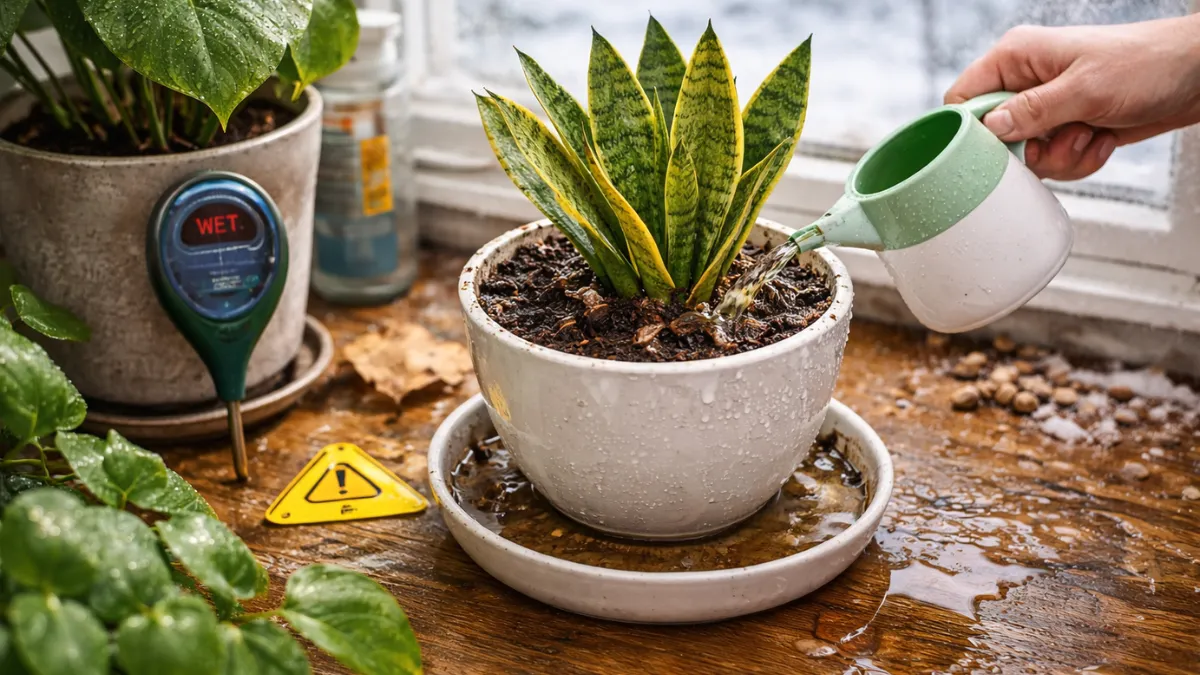
I made this mistake with a snake plant one winter. The soil remained wet for too long, and the leaves began to soften. After reducing watering, the plant slowly recovered.
Easy Solution
Water plants less in winter.
Before watering, always check the top layer of soil. If the top 2–3 cm of soil is still moist, it's best to wait a few more days.
Dry indoor air can stress plants
Heating systems often make indoor air very dry in winter.
Low humidity can cause the following problems:
• Dry leaf edges
• Brown tips
• Slow growth
Tropical plants especially like moderate humidity.
However, it's important to be realistic. Not every home needs an expensive humidifier system.
The Easy Way
You can naturally improve humidity by:
• Grouping plants together
• Placing trays of water near plants
• Occasionally watering plants that prefer humidity
These small changes can make the environment more comfortable for many houseplants.
Fertilizers are generally not needed in winter.
Many people try to correct slow plant growth by adding fertilizer.
But winter is generally not the right time to feed plants.
Because plants are resting, they cannot utilize the extra nutrients effectively. Fertilizer can sometimes accumulate in the soil and cause stress instead of helping.
Easy Solution
Stop fertilizing in winter.
Most indoor plants benefit most from fertilizing in spring and summer, when their growth has resumed.
When should you really worry?
It's normal for plants to slow down in winter.
However, certain symptoms can indicate a real problem:
• Yellowing of leaves
• Softening of stems
• A strong odor from the soil
• Sudden leaf drop
These symptoms often point to watering problems or root issues rather than seasonal dormancy.
If the plant still looks healthy but isn't growing, it's usually following its natural seasonal cycle.
A Simple Winter Care Routine for Indoor Plants
Caring for plants in winter doesn't have to be difficult.
A few small changes can keep your plants healthy until spring returns.
Focus on these basic habits:
• Give plants as much natural light as possible
• Reduce the frequency of watering
• Keep them away from cold drafts
• Avoid fertilizing in winter
• Maintain a stable indoor temperature
In most homes, these simple steps are sufficient.
Related Helpful Articles:
Indoor Plants That Thrive During Winter – Expert Recommendations
Temperature Shock in Indoor Plants : AC, Heater & Winter Damage
Final Words
It's completely natural for indoor plants to slow down in winter.
Low light, cold temperatures, and seasonal dormancy all play a role in reducing plant growth. Most plants are simply conserving energy until conditions return.
In my experience, patience is often the best approach. Many plants that appear dormant in winter suddenly begin to produce new leaves when spring sunlight returns.
If your plant looks healthy but isn't growing, it's probably just resting, and this is perfectly normal.
Written from real indoor plant care experience for IndoorPlantify.