

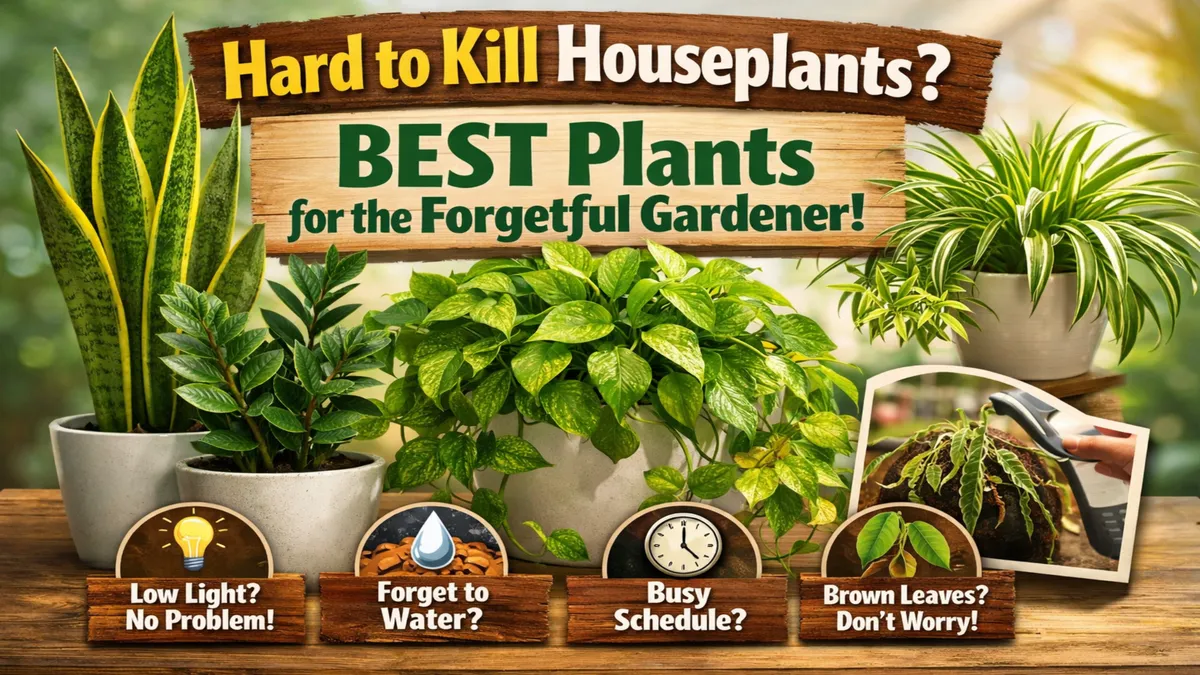
Many people love the idea of indoor plants, but struggle to keep them alive. Forgetting to water, insufficient light, or busy schedules often lead to stressed or dying plants. The good news is that some indoor plants are naturally very resilient. These plants adapt to less-than-ideal care and still thrive. If you're new to plant care or often forget your routine, these options are perfect for you.
Quick Comparison:
• Best for low light : Snake Plant
• Best for fast growth : Pothos
• Best for beginners : ZZ Plant
• Best for air purification : Spider Plant
Related News

Why Some Indoor Plants Handle Neglect Better Than Others
Some plants have evolved to survive in challenging conditions like drought, low light, or poor soil. They store water in their leaves or grow slowly to conserve energy. This natural design helps them recover easily from periods of neglect.
These plants don't require frequent watering or constant sunlight. They forgive the mistakes that often harm more delicate plants. This makes them ideal for beginners who are still learning the ropes of indoor plant care.
Snake Plant – The Best Low-Maintenance Plant
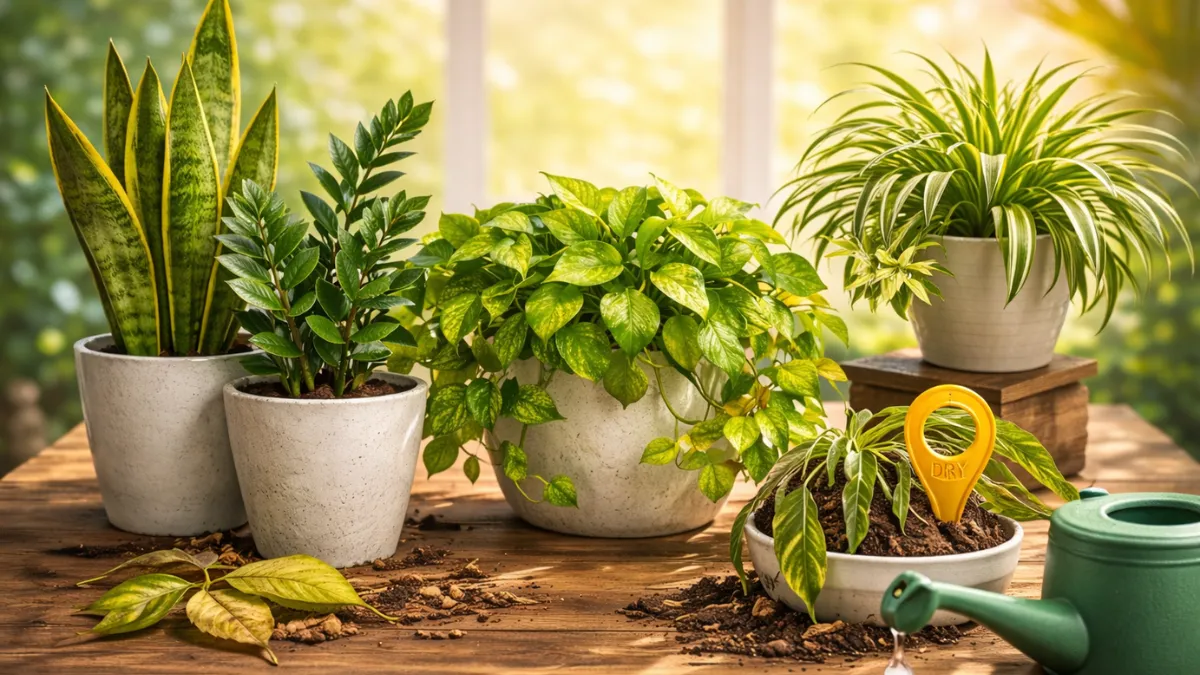
Snake plants are among the most popular for their ability to survive almost anything. This is because they grow upright, store water in their thick leaves, and tolerate low light without complaint. Even irregular watering rarely harms them.
Overwatering is the only real threat to a snake plant. It's always safer to err on the side of dry soil rather than wet. Keep them in indirect light and allow the soil to dry completely between waterings for consistent growth.
ZZ Plant – Thrives on Neglect
The ZZ plant is one of the hardiest indoor plants available. Its glossy leaves store moisture, allowing it to easily survive long periods of drought. It grows slowly, which reduces the need for frequent care.
Low-light rooms are ideal for ZZ plants. Watering once every two to three weeks is usually sufficient. Too much attention can actually do more harm than good.
Related Article:
12 Low-Care Indoor Plants : That Grow Well Even When Not Intended The Best Guide for Beginners
Pothos – Thrives Despite Irregular Care
Pothos is a favorite among beginners because it clearly shows when it needs water. Its leaves quickly recover after wilting, making it forgiving of mistakes.
It thrives in low to medium light and adapts easily to various indoor environments. Pothos vines can grow long even with minimal care, making this plant a rewarding choice for beginners.
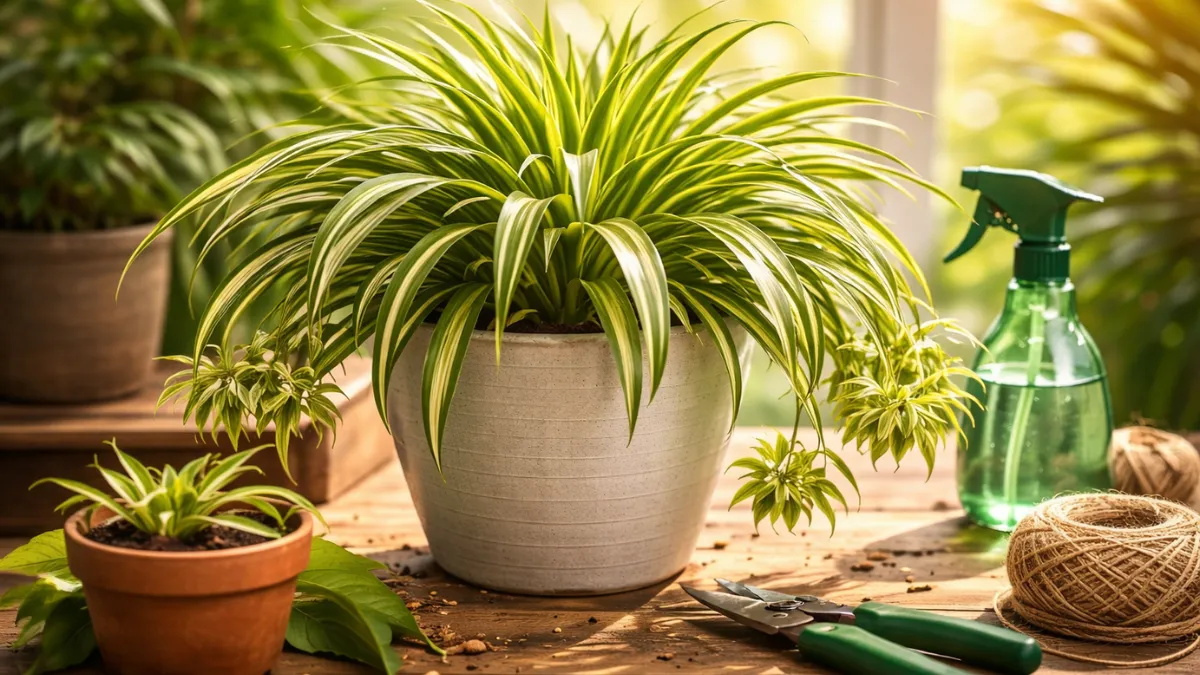
Spider Plant – Resilient and Robust
Spider plants tolerate periods without water better than many other soft-leaved plants. This is because their roots store water, helping them recover from dry soil. They thrive in bright, indirect light but can also tolerate lower light conditions.
Irregular watering may cause the leaf tips to turn brown, but the plant generally remains healthy. Regular pruning keeps spider plants looking fresh with minimal care.
Cast Iron Plant – Lives Up to Its Name
The cast iron plant grows slowly and survives in low light, irregular watering, and limited airflow. Its thick leaves resist damage and rarely wilt.
This plant prefers to be left alone. Water only when the soil feels dry and protect it from direct sunlight. This is ideal for corners where other plants struggle to survive.
Related Articles:
Indoor Plants : Complete Beginner-to-Expert Guide (2026 Edition)
Peace Lily – Hardy When You Understand Its Signals
Peace lilies look delicate but are surprisingly hardy. Because they visibly wilt when thirsty, they help beginners learn when to water.
They prefer consistent moisture but recover quickly after drying out. Low to medium light is best, but avoid direct sunlight. Peace lilies won't tolerate consistent neglect, but they forgive occasional mistakes.
Common Beginner Mistakes and Easy Solutions
| Mistake | Why It Fails | Simple Fix |
|---|---|---|
| Overwatering | Roots rot easily | Let soil dry fully |
| Too much sunlight | Leaves burn | Use indirect light |
| Changing spots often | Causes stress | Keep location stable |
| Ignoring drainage | Traps moisture | Always use drain holes |
How to Choose the Right Low-Maintenance Plant
First, choose plants based on your lighting conditions, not just appearance. Low-light rooms require hardy plants like snake plants or ZZ plants. Brightly lit rooms can accommodate faster-growing plants like pothos.
Avoid plants that require constant moisture or humidity. If a plant needs attention every week, it might not be the right fit for your routine. Slow-growing plants are generally more forgiving.
Related Article:
Best Indoor Plants for Beginners (No Gardening Experience Needed)
Final Tips for Long-Term Success
Even low-maintenance plants need basic care to thrive. Use well-draining soil, avoid overwatering, and provide consistent lighting conditions. Allow plants to settle in rather than constantly adjusting their care. Over time, these resilient plants build confidence and make indoor gardening simple, peaceful, and enjoyable instead of stressful.