

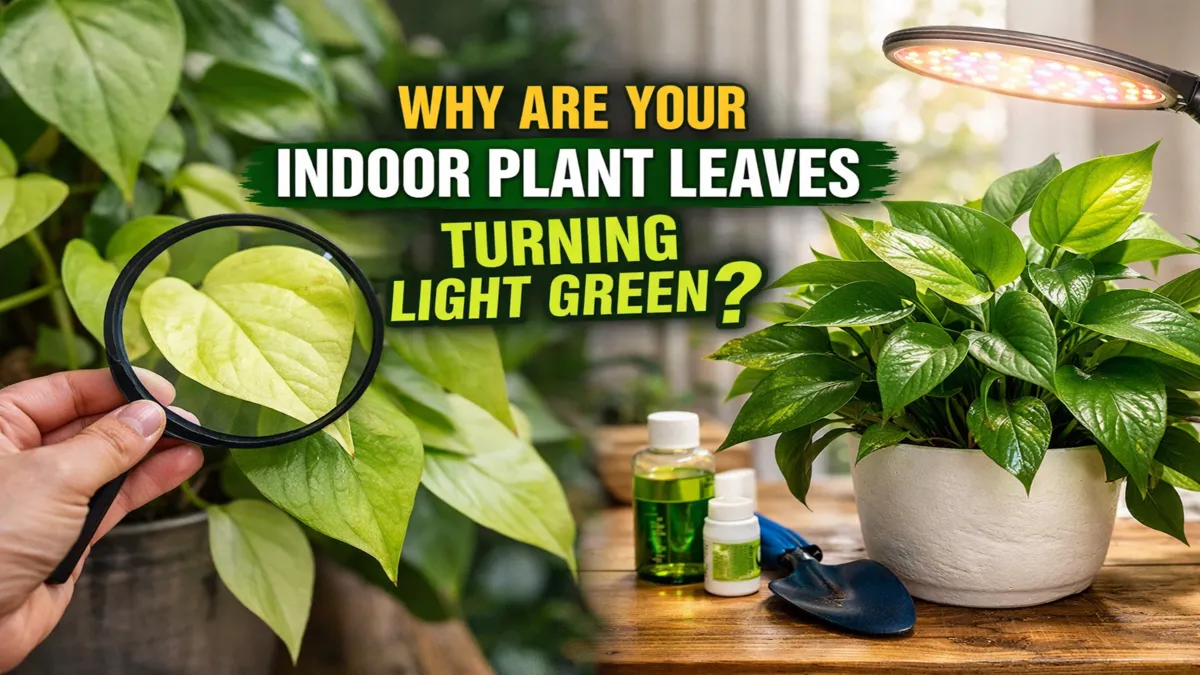
Indoor plants typically have dark green leaves. This color is a sign that the plant is healthy and growing well.
But sometimes, you may notice that the leaves are turning light green instead of dark green. This causes many plant growers to panic. The good news is that in most cases, the problem is easy to fix once you understand the cause.
Related News


Let's look at why indoor plants lose their color and how you can restore them to a healthy green color.
Low light is the most common cause.
Indoor plants rely on light to produce chlorophyll, the pigment that makes leaves green. When the plant doesn't receive enough light, chlorophyll production slows down.
Because of this, the leaves may appear pale or washed out.
This often occurs in rooms with north-facing windows, dark corners, or in areas where sunlight is difficult to reach.
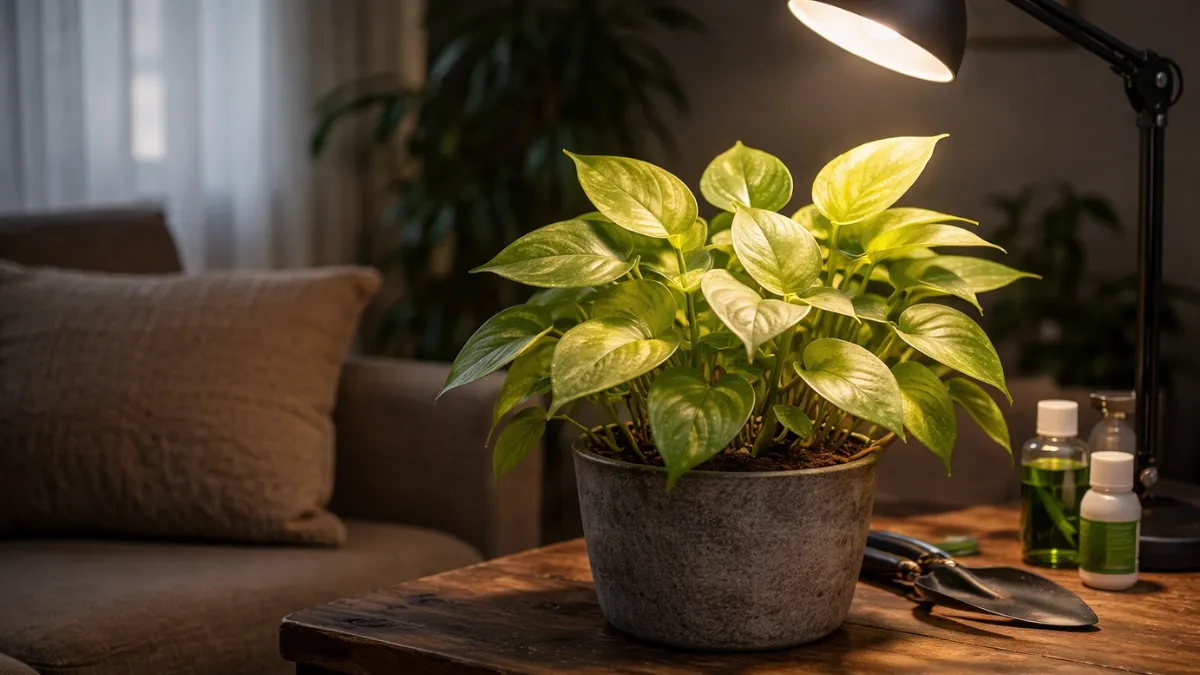
In my experience, plants like pothos and money plants quickly lose their deep green color if moved too far from a window.
How to Fix It
Move the plant to a brighter location. A spot near a window with bright, indirect light usually works best.
If natural light is low, a small grow light can also help restore healthy leaf color.
Nutrient Deficiency
Plants need nutrients from the soil to maintain their green color. Nitrogen is the most important nutrient for leaf color.
When nitrogen in the soil is low, the leaves often turn pale green or yellow.
This is especially common if the plant has been growing in the same soil for a long time without fertilizer.
I once had a peace lily that looked pale for weeks. After applying a balanced liquid fertilizer, the new leaves began to darken again.
How to Fix It
Give your plant a balanced liquid fertilizer once every 3–4 weeks during the growing season.
However, avoid over-fertilizing. Too much fertilizer can damage the roots.
Problems with Overwatering
Over-watering can cause root problems. When roots can't breathe properly, they stop absorbing nutrients effectively.
This often causes leaves to appear yellow or weak.
Overwatering is one of the most common mistakes in indoor plant care. I made this mistake initially with a snake plant, thinking that more water meant faster growth.
This actually caused the leaves to darken.
How to Fix It
Always check the soil before watering. If the top 1–2 inches of soil still feel wet, wait a little longer.
Also, make sure your pot has proper drainage holes to allow excess water to drain away.
Old Soil Loses Nutrients
Potting soil gradually loses nutrients over time. Even if you fertilize occasionally, old soil can become hard and less effective.
When this happens, plants can have difficulty absorbing what they need.
This often leads to slowed growth and yellowing of the leaves.
How to Fix It
Repot your plant every 12–18 months using fresh, well-draining potting mix.
Fresh soil provides better aeration to the roots and restores essential nutrients.
Natural New Growth
Sometimes light green leaves are actually completely normal.
Many plants develop new leaves that are initially light green. As the leaf grows, it gradually darkens.
If the rest of the plant looks healthy, there's usually nothing to worry about.
In my experience, plants like pothos and philodendrons often show lighter new leaves before darkening.
When to worry
If all the leaves appear yellow and the plant appears weak or growing slowly, the problem is likely related to light, nutrients, or watering.
Temperature Stress
Indoor plants prefer a stable temperature. If a plant is exposed to cold winds, air conditioners, or sudden temperature changes, it may become stressed.
Stress can affect the way the plant produces chlorophyll, causing leaves to lose their dark color.
How to fix it
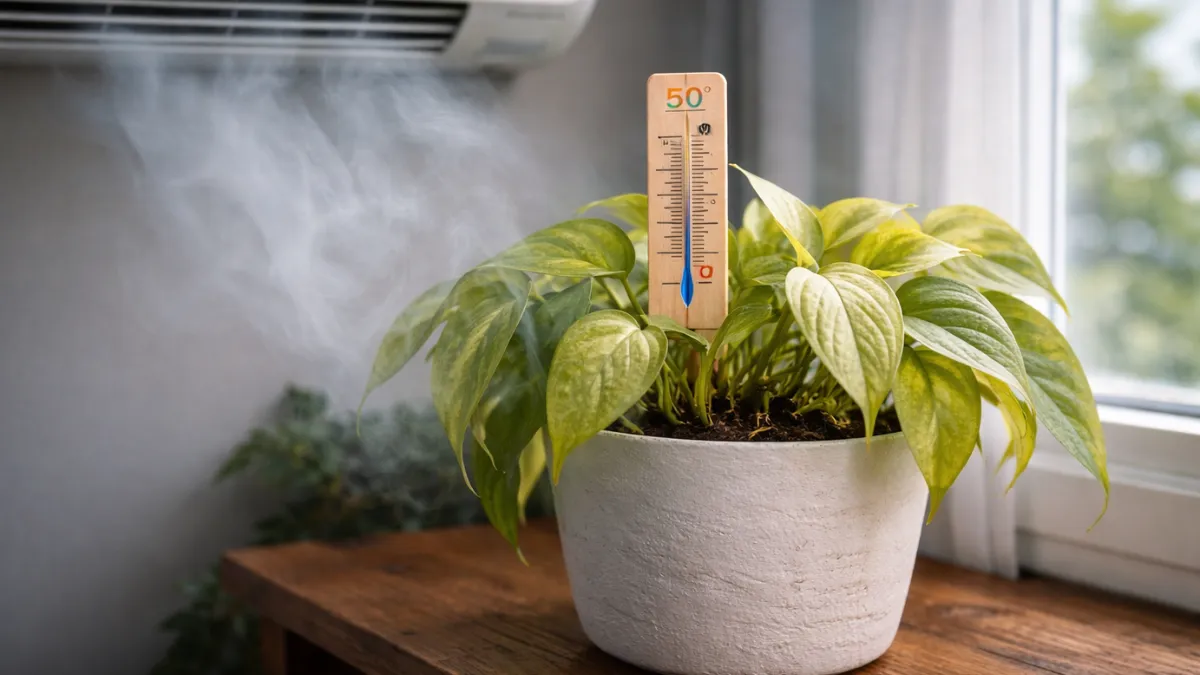
Keep your plants away from cold windows, AC vents, or heaters.
Most indoor plants grow best in temperatures between 18–27°C (65–80°F).
A little tip many newcomers forget
Dust on leaves can prevent light from reaching the plant's surface.
This may seem like a small thing, but over time, it can reduce photosynthesis.
Just lightly wiping the leaves with a damp cloth once every few weeks can help plants absorb more light and maintain better color.
A True Fact to Know
Sometimes, leaves appear yellow because the plant has grown out of its indoor environment.
Some plants naturally require more sunlight, which most homes don't provide. In such cases, you can improve the situation but can't completely restore the deep green color.
Choosing the right plants for indoor spaces usually works better in the long run.
Related Helpful Articles:
Yellow Leaves on Indoor Plants? Heres What Experts Say
ZZ Plant Yellow Leaves in Winter? This Common Mistake Is Why
Final Words
Light green leaves mean your plant is trying to tell you something. Most often, the problem is low light, a nutrient deficiency, or a water problem.
The good news is that these problems are easy to fix.
With improved lighting, proper watering habits, and occasional fertilization, your indoor plants can regain their healthy green color and continue to grow vigorously.
Even a small change in plant care can surprisingly make a big difference.
Written for IndoorPlantify from real experience caring for indoor plants.