

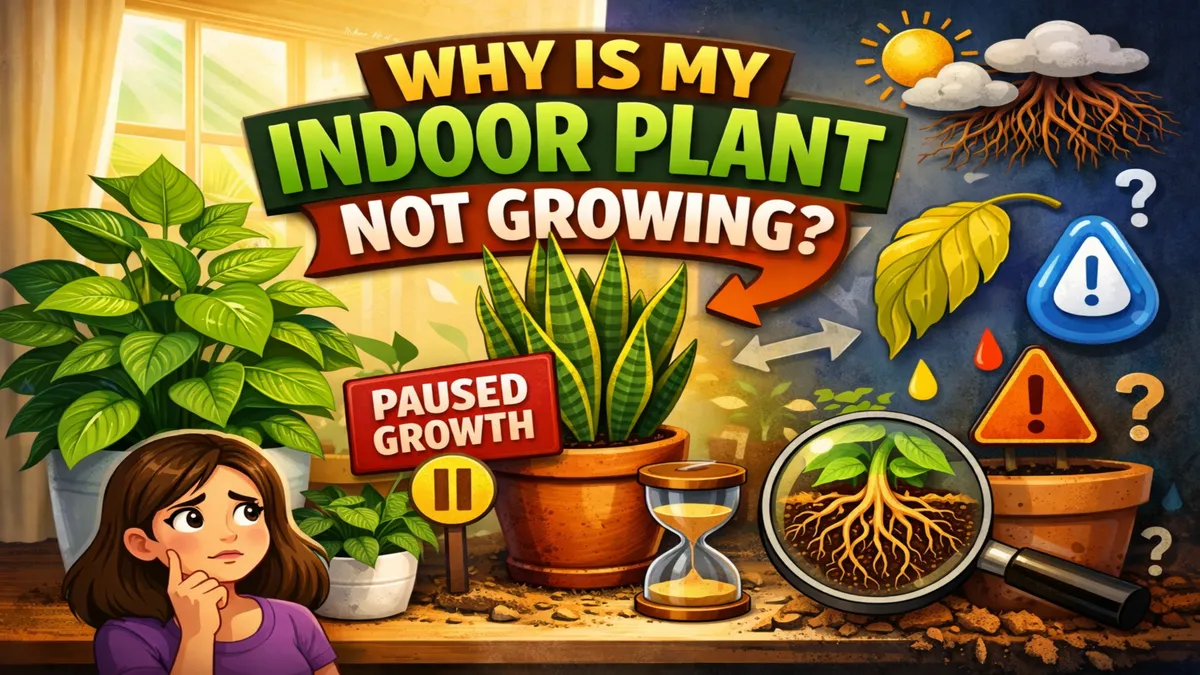
Indoor plant growth is never a straight line. Many plant owners worry when new leaves stop appearing or stems remain the same size for weeks. I've experienced this many times at home, especially with plants that look healthy but suddenly stop growing. In most cases, this is perfectly normal. Plants slow down for several clear reasons, which doesn't always mean something is wrong. Understanding these pauses helps avoid overwatering, over-fertilizing, or unnecessary stress.
Quick Comparison:
• Best for low light : Snake Plant
• Best for fast growth : Pothos
• Best for beginners : ZZ Plant
• Best for air purification : Areca Palm
Related News



What does a pause in indoor plant growth actually mean?
A growth pause means the plant has stopped producing visible new leaves or stems, but it is still alive and stable. The roots may still be growing slowly, and energy is being stored rather than used for new growth. This is a normal behavior in many indoor plants.
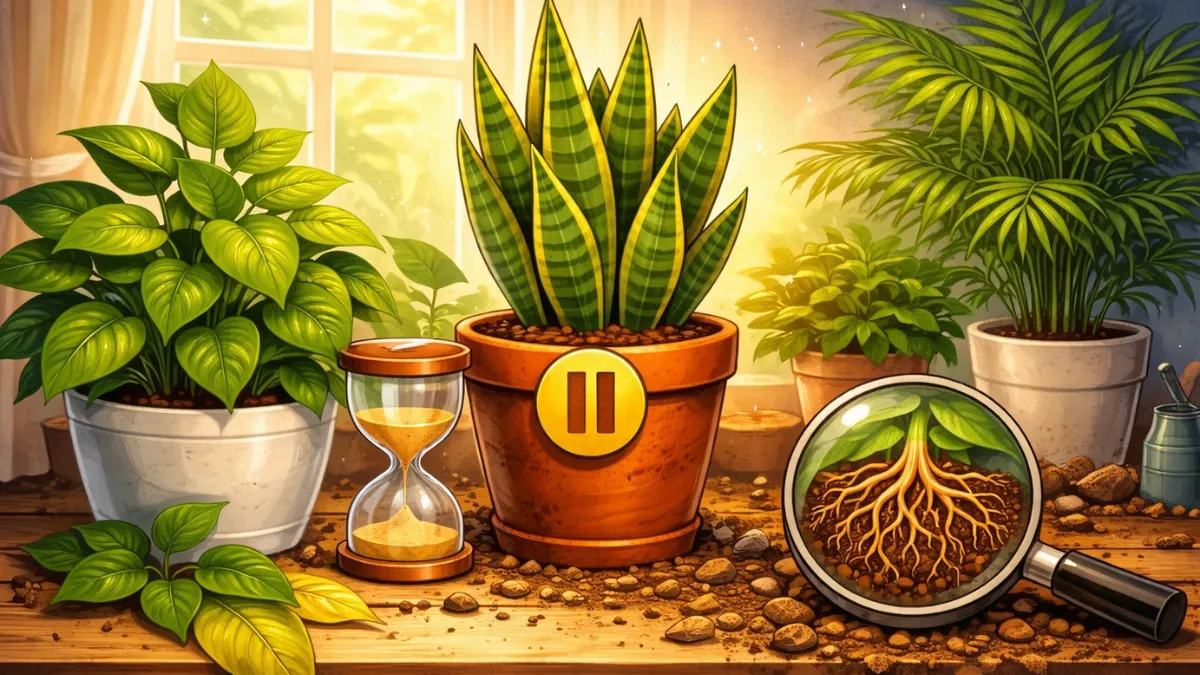
Growth pauses aren't sudden failures. They often happen quietly when conditions change slightly. Even small changes in light levels, root space, or watering can signal the plant to slow down until balance is restored.
Natural reasons why indoor plants stop growing for a while
Indoor plants react to their environment, even if the conditions seem fine to us. One common reason is low light. Reduced daylight hours or placement in a shady spot often decreases energy production, naturally slowing growth without harming the plant.
Another reason is root adjustment. When roots fill the pot, plants often halt leaf growth to manage the limited space. This pause can last for weeks or months until growth resumes or repotting becomes necessary.
How long can a normal growth pause last?
Most healthy indoor plants can pause growth for four to eight weeks without any cause for concern. Some slow-growing plants may appear unchanged for even longer. During this time, the leaves remain firm, the color stays consistent, and no significant leaf drop occurs.
Fast-growing plants usually resume growth quickly once conditions improve. Slow-growing plants like snake plants or ZZ plants naturally have longer periods of dormancy, which many people mistake for a problem.
Signs that a growth pause is normal
A normal pause shows stability, not decline. The leaves remain upright, there's no foul odor from the roots, and the soil dries at a normal rate. The plant simply appears dormant, not stressed.
If older leaves remain healthy and don't suddenly yellow, it's likely the plant is conserving energy. This is common after repotting, moving the plant, or adjusting to indoor light conditions.
When slow growth is a warning sign
A growth pause becomes a concern when leaves suddenly start dropping, stems become soft, or the soil remains constantly wet. These signs indicate root stress, overwatering, or a lack of oxygen in the soil.
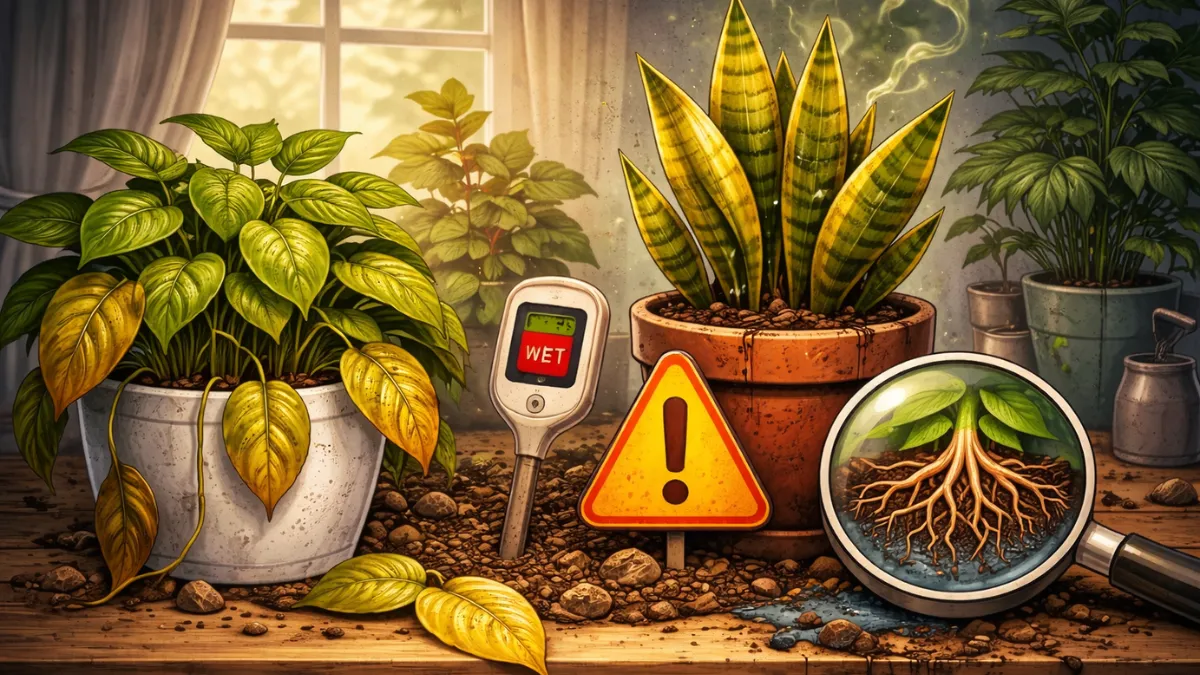
Another warning sign is pale new leaves that appear weak or distorted. This often means the plant is trying to grow but isn't receiving enough light or nutrients for healthy development.
Common mistakes that worsen growth pauses
Many people respond to slow growth by overwatering or fertilizing. This often backfires. Overwatering during a growth pause can suffocate and rot the roots.
When light or root space is limited, fertilizer won't force growth. It can actually build up salts in the soil, causing stress rather than solving the problem.
Stunted Growth vs. the Real Problem : An Easy Comparison
| Situation | What It Means | What to Do |
|---|---|---|
| No new leaves, healthy color | Normal growth pause | Keep care steady |
| Yellowing lower leaves | Possible overwatering | Reduce watering |
| Soft stems or smell | Root damage | Check roots |
| Pale weak growth | Low light | Move to brighter area |
Should you change your care routine during a growth pause?
In most cases, the care routine should remain the same. Water only when the soil dries out as usual. Don't repot unless the roots are clearly overcrowded. Avoid moving the plant frequently, as this can prolong the pause.
Small changes are often more helpful than drastic ones. Slightly improving the light or increasing air circulation will often allow growth to resume naturally.
Related Articles:
Spider Plant vs Snake Plant for Asthma : Which Is Safer?
Related Articles:
Indoor Plants : Complete Beginner-to-Expert Guide (2026 Edition)
Related Articles:
Spider Plant Benefits for Indoor Air (Proven & Practical)
Which Indoor Plants Experience Growth Stalls More Often?
Some plants naturally grow slowly and often experience periods of stalled growth. Snake plants, ZZ plants, and cast iron plants, for example, grow in cycles rather than continuously. These plants focus on survival and strengthening their roots before putting out new leaves.
Faster-growing plants like Pothos and Philodendron experience fewer growth stalls but can still slow down when light levels are low or they become root-bound.
Final Thoughts on Indoor Plant Growth Stalls
Indoor plants are living systems, not machines. A growth stall is usually a sign of balance, not failure. When the leaves are healthy and the roots are stable, patience is often the best course of action. Give your plants time to adjust, avoid over-correcting, and growth will resume when conditions are right.