

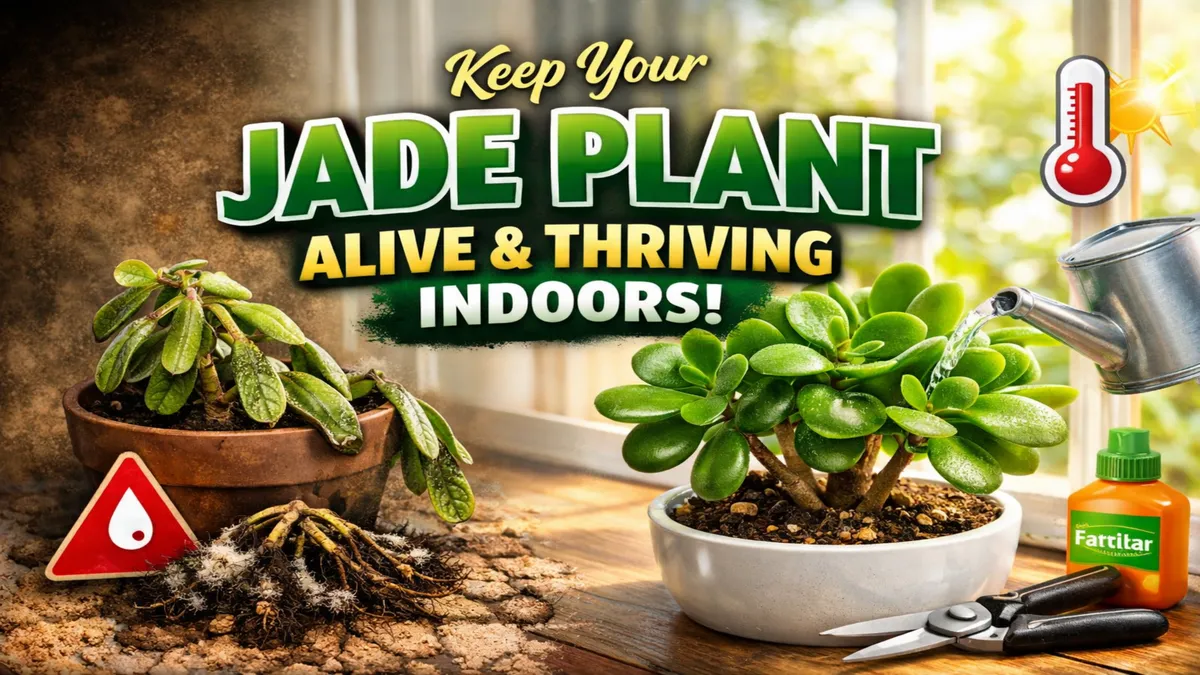
Jade plants are popular because they look sturdy and simple, yet many people struggle to keep them healthy at home. Their plants drop leaves, stems become soft, or growth stalls for no apparent reason. Most problems stem from misunderstanding light, water, and indoor conditions in warmer climates. This guide explains how jade plants actually behave indoors, what works long-term, and what silently harms them, so you can grow a stable, healthy plant without guesswork.
Quick Comparison:
• Best for low light : Jade plant (bright indirect light)
• Best for fast growth : Jade plant in bright light
• Best for beginners : Jade plant
• Best for air circulation : Jade plant
Related News



Understanding How Jade Plants React to Warm Indoor Conditions
Jade plants often store water in their leaves. In warm homes, this survival trait becomes risky. This is because indoor soil dries out slowly, even if the air feels warm. Many people overwater, thinking that warmth equals thirst. This usually leads to root rot instead of healthy growth.
Another crucial factor is light direction. Bright rooms aren't always as bright as they seem. When light is low, especially near filtered-sun windows, jade plants stretch out. This weak growth is often mistaken for slow growth, but it's actually stress caused by insufficient light.
The Right Light Location for Thick, Sturdy Leaves
Jade plants need bright light to stay compact. The best location is near a window that receives several hours of bright, indirect light. Direct, intense sunlight through glass can scorch the leaves, while insufficient light causes the stems to become thin and the gaps between the leaves to widen.
Rotate the pot every few weeks. This ensures balanced growth and prevents the plant from leaning to one side. If one side receives more shade, the plant will stretch towards the light and lose its compact shape over time.
Watering Jade Plants Without Causing Root Rot
Overwatering is the most common problem. Jade plants prefer deep watering followed by complete drying of the soil. Always allow the soil to dry out completely before watering again. Prolonged damp soil suffocates the roots, even if the plant initially appears healthy.
An easy test is weight. Lift the pot after watering, then lift it again when it's dry. When the pot feels light, it's usually safe to water. No fixed schedule works because indoor conditions vary.
How Often is Too Often to Water?
Watering frequency depends on the pot size, soil type, and light conditions. Smaller pots dry out faster. Larger pots retain moisture longer. Always check the soil moisture instead of counting days.
Soil Mix That Prevents Hidden Damage
Jade plants need fast-draining soil. Heavy garden soil retains moisture and slowly rots the roots. A loose mix with coarse particles allows air to reach the roots and excess water to drain away.
Avoid soil that remains dark and wet for days. Roots need oxygen as much as water. Without air, the roots slowly die, even if the leaves remain green for a while.
Jade Plant Soil: Do's and Don'ts
| Do | Don’t |
|---|---|
| Use fast-draining succulent mix | Use dense garden soil |
| Choose pots with drainage holes | Use sealed decorative pots |
| Let soil dry fully | Keep soil constantly moist |
Pot Choice and Drainage Matter More Than Size
A slightly snug pot is better than one that's too large. Larger pots retain more moisture, increasing the risk of root rot. And yes, drainage holes are essential. Decorative pots without holes collect water at the bottom.
If you use a cover pot, remove the inner pot when watering. Allow excess water to drain completely before returning it to the cover pot.
Fertilizing Jade Plants Safely
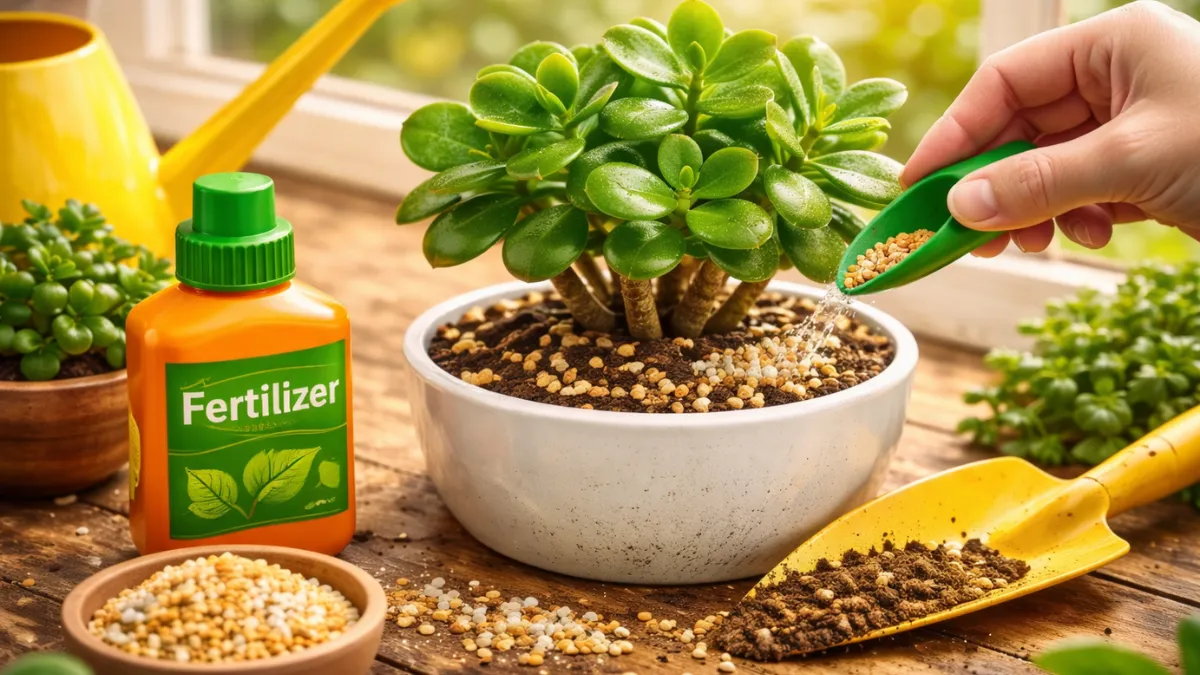
Jade plants are slow growers and require very little fertilizer. Too much fertilizer can lead to weak, leggy growth. A diluted, balanced fertilizer applied occasionally during active growth is sufficient.
Never fertilize a stressed or recently repotted plant. Fertilizer cannot fix problems caused by poor lighting or overwatering. It only works when basic care is already correct.
Common Problems and Their True Causes
Soft, wrinkled leaves often indicate root problems, not thirst. Yellow leaves usually mean too much moisture. Leaf drop can occur after sudden changes in light or watering habits.
Black spots can appear on leaves if water sits on them in areas with poor air circulation. Most of the time, this isn't a disease, but rather an imbalance in care.
Related Articles:
Money Plant vs Jade Plant: Which Is Better for Home, Luck & Low Maintenance?
Pruning and Shaping for Long-Term Health
Pruning encourages jade plants to develop thicker stems. Use clean tools to remove weak or leggy growth. This redirects energy to stronger branches.
Avoid pruning too much at once. Gradual changes keep the plant stable. Healthy jade plants recover well when basic care is correct.
Repot Only When Necessary
Jade plants don't like frequent repotting. Repot only when the roots fill the pot or the soil structure deteriorates. Choose a pot only one size larger. After repotting, wait a few days before watering. This allows minor root injuries to heal and reduces the risk of rot.
Final Thoughts on Growing a Stable Jade Plant
Caring for a jade plant is mostly about restraint. Bright light, dry soil cycles, and patience are more important than constant attention. Once established, jade plants quietly thrive for years with minimal effort. When a problem arises, slow down and review your light and watering habits rather than overcompensating with more care. A consistent routine creates a strong, long-lasting plant that remains an attractive addition to your home.