

Plants have long been an integral part of traditional health practices, particularly in India. From the Tulsi growing in the courtyard to the Aloe Vera on the balcony, many plants are considered beneficial for both physical and mental well-being. The good news is that you don't need any complex gardening skills to reap these benefits.
There are many health-beneficial plants that are easy to care for; they thrive effortlessly indoors or outdoors and require very little maintenance. These plants can help improve air quality, reduce stress, and offer certain medicinal benefits. However, it is crucial to understand that plants are not a substitute for medical treatment. Their role is supportive, not curative.
Related News


In this guide, we will explore simple plants that can support your health and fit seamlessly into your busy lifestyle.
Brief Answers
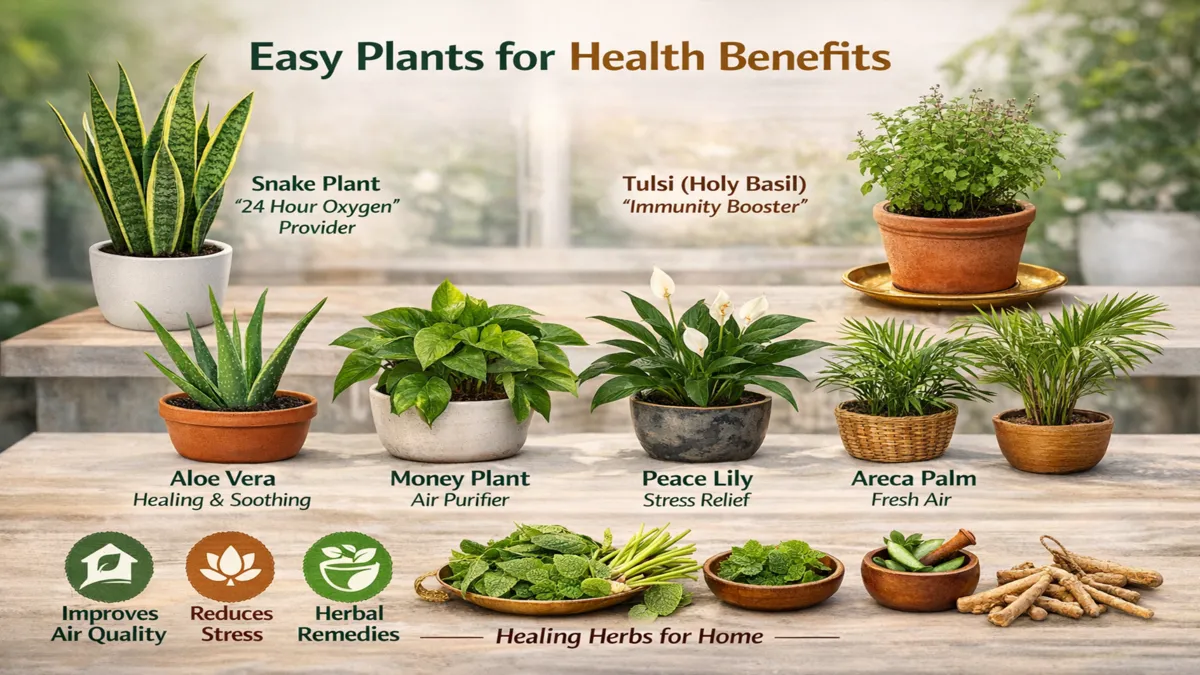
Some of the best low-maintenance plants beneficial for health include:
• Snake Plant
• Tulsi (Holy Basil)
• Aloe Vera
• Money Plant
• Peace Lily
• Areca Palm
These plants are easy to grow in Indian households and can contribute to indoor air quality, a sense of tranquility, and traditional herbal remedies.
Which is the healthiest plant to keep in your home?
There is no single healthiest plant for every home; however, in India, Tulsi (Holy Basil) is often regarded as one of the most beneficial plants.
Tulsi has been utilized in Ayurvedic traditions for centuries. Its leaves are commonly used in herbal teas and home remedies. In certain instances when used correctly Tulsi can help support respiratory health and boost immunity.
From a plant-care perspective, Tulsi is also quite easy to maintain. It thrives in sunlight and requires a moderate amount of water. In many households, it is kept for both spiritual and practical reasons.
However, Tulsi grows best outdoors or on a sunny balcony, rather than in a dark corner indoors.
Which indoor plant provides oxygen 24 hours a day?
A common question people often ask is: Which indoor plant provides oxygen 24 hours a day?
The plant most frequently associated with this claim is the Snake Plant (Sansevieria).
Snake Plants utilize a specialized process called CAM photosynthesis, which enables them to release oxygen even during the night. For this very reason, many people choose to keep them in their bedrooms.
However, it is also important to understand a limitation regarding this. A single plant alone cannot bring about a significant change in the oxygen levels of a room. Its true benefit lies in the fact that Snake Plants are extremely hardy and can offer some assistance in maintaining the balance of indoor air.
In my own experience, the Snake Plant is one of the few plants that survive even when neglected for extended periods. On one occasion, I forgot to water it for nearly three weeks, yet it remained healthy.
Which plants act as air purifiers?
Many houseplants are commonly touted as air-purifying plants. Some studies suggest that, in controlled environments, plants can help reduce certain indoor air pollutants.
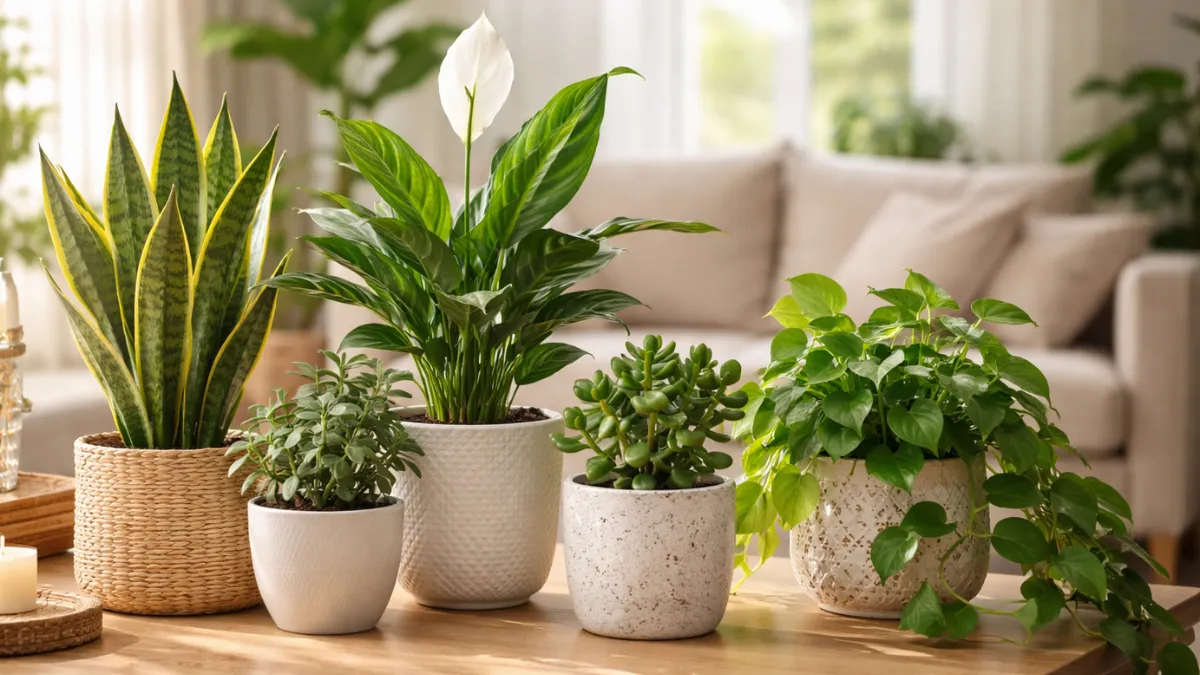
Popular low-maintenance options include:
Snake Plant
One of the easiest plants to keep indoors. It thrives even in low-light conditions and with irregular watering.
Peace Lily
The Peace Lily is known for its glossy leaves and white flowers. In controlled environments, it can help absorb certain elements present in the air.
Areca Palm
This plant increases humidity in indoor spaces and thrives even in bright indoor light.
Money Plant (Pothos)
Money plants are highly resilient and grow rapidly. They are widely used in Indian households.
Although plants can help improve the indoor environment, proper ventilation remains the most effective method for maintaining fresh air.
Best Plants for Patients and Relaxation Spaces
Plants are often placed in hospitals and wellness centers, as greenery helps create a calm and soothing atmosphere.
Some low-maintenance indoor plants in India that are ideal for relaxation spaces include:
Aloe Vera
Aloe Vera is renowned for its cooling gel, which can provide relief from minor skin irritations or itching.
Peace Lily
Its calm and gentle appearance makes it a popular choice for bedrooms and quiet spaces.
Spider Plant
Spider plants are safe, hardy, and adapt easily to indoor environments.
In my own experience, keeping a few simple plants near workspaces or relaxation areas makes the atmosphere feel less stressful. For some people, simply looking at greenery can even help improve their mood.
Low-Maintenance Plants for Health Benefits in India
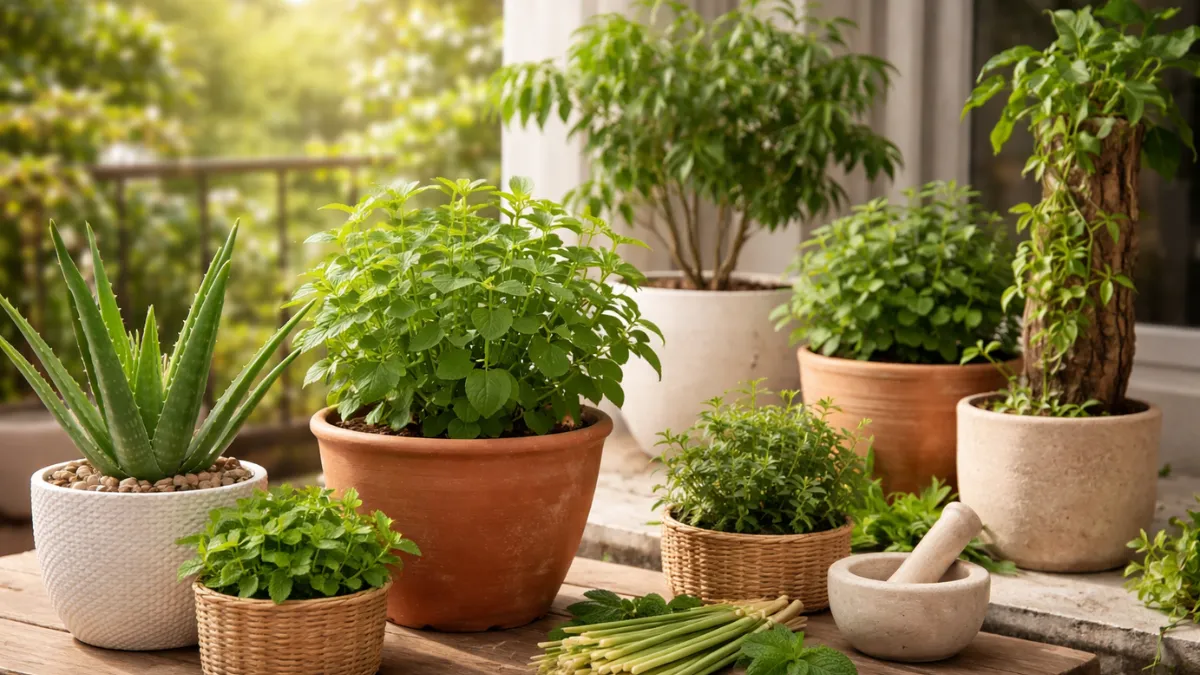
India's climate is highly conducive to growing a wide variety of easy-to-maintain medicinal plants. Some of the most common options include:
• Tulsi (Holy Basil)
• Aloe Vera
• Mint (Pudina)
• Lemongrass
• Curry Leaves
• Ajwain (Carom) Plant
• Giloy (Guduchi)
• Neem
• Ashwagandha
• Brahmi
These plants are frequently featured in lists of the Top 10 Medicinal Plants and Their Uses, as they have played a pivotal role in traditional herbal remedies.
However, medicinal plants should always be used with caution. Many herbs can interact with other medications, and it is essential to have proper knowledge regarding the correct dosage and method of administration.
Low-Maintenance Indoor and Outdoor Medicinal Plants
If you are looking for plants that can thrive easily both indoors and outdoors, these options are excellent choices.
Also Read: Spider Plant vs Snake Plant for Asthma : Which Is Safer?
Indoor Options:
• Snake Plant
• Money Plant
• Spider Plant
• Peace Lily
• Aloe Vera
Outdoor Options:
• Tulsi (Holy Basil)
• Neem
• Lemongrass
• Mint (Pudina)
• Curry Leaves
Outdoor plants generally grow faster because they receive natural sunlight and fresh air.
I made a mistake when I first started growing medicinal plants I placed my Tulsi plant indoors, in a dimly lit corner. The plant gradually began to wither. However, once I moved it to a sunny balcony, it quickly recovered.
Fact Check: Claims Regarding Plants and Health Benefits
Many lists circulating on the internet claim that certain plants can cure diseases or significantly purify the air. These claims are often exaggerated.
The truth is:
• Plants can help create a healthy environment.
• They cannot replace medical treatment.
• The capacity of plants alone to purify the air is limited.
• Their benefits often stem from reduced stress and an improved surrounding atmosphere.
Plants primarily contribute to improving our health by creating a calm and natural environment indoors.
Simple Tips for Growing Health-Beneficial Plants
If you wish to successfully grow low-maintenance plants, keep these simple points in mind.
Choose the right plant based on the lighting conditions in your home.
Homes with low natural light should opt for plants like the Snake Plant or Pothos.
Avoid overwatering your plants.
The most common mistake in plant care is—overwatering.
Use breathable pots.
Clay or terracotta pots often help prevent plant roots from rotting.
Start with just 2–3 plants initially.
Trying to manage too many plants at once can make proper care difficult.
Once you gain some experience in plant care, you can easily expand your collection of indoor plants.
Some Limitations to Keep in Mind
Although there are many lists detailing over 100 medicinal plants and their uses, for most households, a select few plants are quite sufficient. Attempting to care for too many plants often results in inadequate care for each, hindering their proper growth.
For beginners, focusing on 5–7 reliable plants is a much wiser decision.
Written from real indoor plant care experience for IndoorPlantify.