

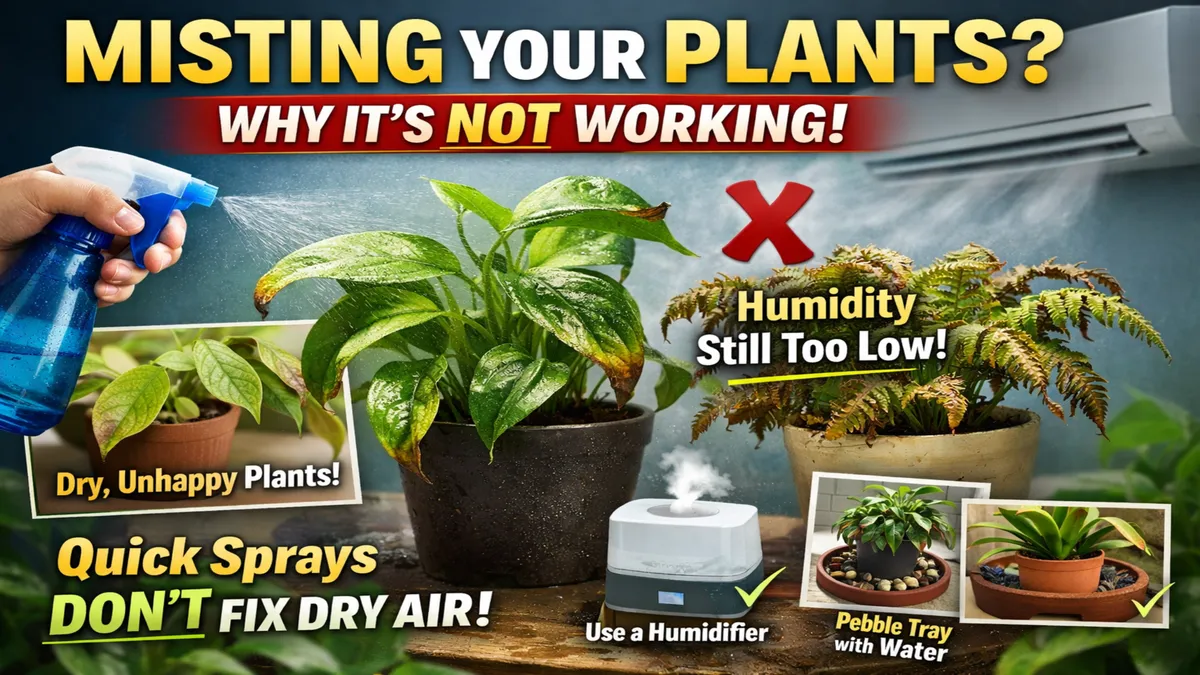
Many people keep a small spray bottle near their plants and mist them every morning, especially when their AC runs all day. I did this for years, thinking it kept the plants fresh and happy indoors.
Why this problem actually occurs
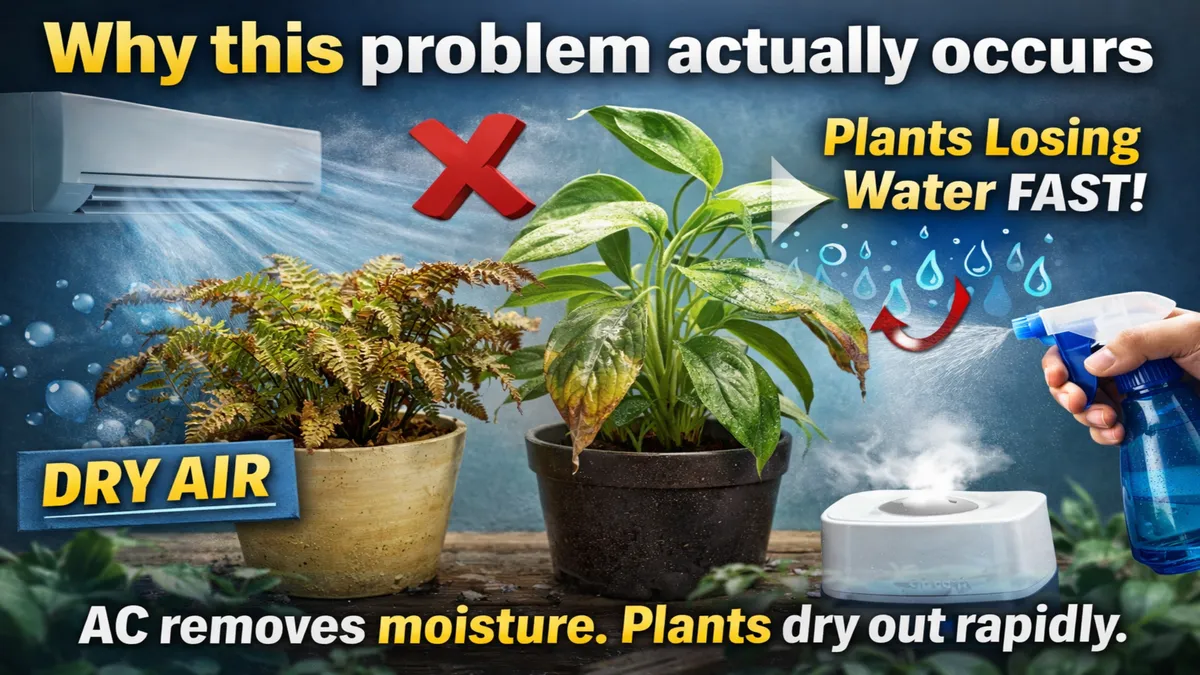
Air-conditioned rooms are comfortable for us, but they drastically alter the air around plants. Air conditioners remove moisture from the air, making rooms very dry, even if the temperature feels perfect for living and sleeping.
Related News


Dry air causes plants to lose water rapidly through their leaves, and misting seems like an easy solution. But the truth is, misting only wets the surface of the plants for a short time and doesn't significantly change the room's humidity.
Signs your plant is struggling
Many indoor plants show stress gradually, so people often overlook the early signs. Or they simply don't realize what's happening. You might notice your plant's leaves wilting, the edges turning brown, or the tips drying out, even if the soil is moist and you're watering regularly.
Plants in air-conditioned rooms also experience slower growth, and new leaves are often smaller than previous ones. The plant doesn't die quickly, but it looks tired and stunted, as if it wants to grow but can't quite thrive.
Also Read : Top Indoor Plants That Will Survive Your AC Rooms — Guaranteed
Examples
In Indian homes, money plants kept near sofas often develop brown tips during the summer months when the AC is in use. Snake plants survive but simply stop growing, and peace lilies wilt daily even after being misted every morning.
Ferns placed near AC vents suffer the most, their edges become crispy, and their leaves start to drop. People keep misting them more and more, but the problem persists because the dryness in the air returns within minutes of misting.
What Actually Works in Real Homes
Simply misting plants in air-conditioned rooms provides very little benefit because the effect only lasts for a few minutes. The water evaporates quickly, and the humidity returns to dry levels before the plant can truly benefit.
Plants need consistent humidity in the air, not just short bursts of moisture. This is why homes that rely solely on misting often see no improvement, even though the owners feel they are doing something helpful for their plants every day.
Some Small Changes That Make a Big Difference
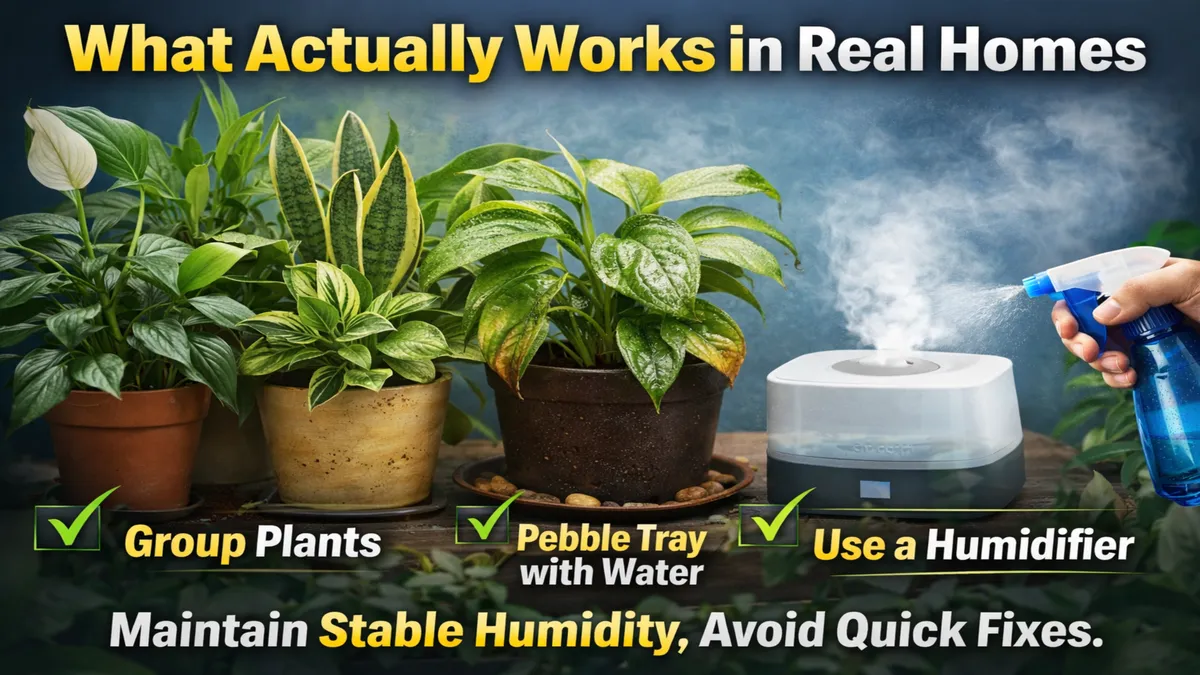
Grouping plants together helps more than misting because they naturally share humidity with each other. When plants are close together, the air around them stays slightly more humid for longer, even with the AC running.
Use a pebble tray with water under the pot. This doesn't cool the room, but it adds gentle humidity near the plant without constantly wetting the leaves.
A small room humidifier works much better than spraying the leaves, especially for tropical plants. It keeps the humidity stable rather than fluctuating rapidly, which is what plants prefer for healthy leaf growth.
Keeping plants away from direct AC airflow also helps a lot. The cold, dry air blowing directly on the leaves causes them to dry out quickly, no matter how much you mist them during the day.
Common Mistakes People Make
Many people mist at night, thinking it gives the plants better rest. But in reality, wet leaves in cool, air-conditioned rooms can lead to fungus and leaf spots, especially if there's poor air circulation.
Another common mistake is misting plants with thick or waxy leaves. Plants like rubber plants or snake plants don't absorb much water through their leaves, so misting them provides virtually no real benefit.
Also Read : Why Your Indoor Plant Soil Is Turning White : The 2025 High-Search Google Guide to Fixing It Fast
The misconception that misting can replace watering
Some plant owners mist excessively and water too little, which confuses the plant. The roots still need proper watering, and misting cannot replace the moisture that the soil provides for healthy growth.
This mistake often leads to weak roots and slow recovery. The plant may look green for a while, but internally, it struggles because its basic needs are not being met.
Final Tip
I'm not saying misting is useless, but it's not a magic solution either, especially in air-conditioned rooms. It might feel good for a moment, but plants need consistent care, not quick fixes and daily sprays.
Focus on better placement, consistent humidity, and proper watering. Plants grow slowly but steadily, and when you give them what truly helps, they thrive without extra effort or daily confusion.