

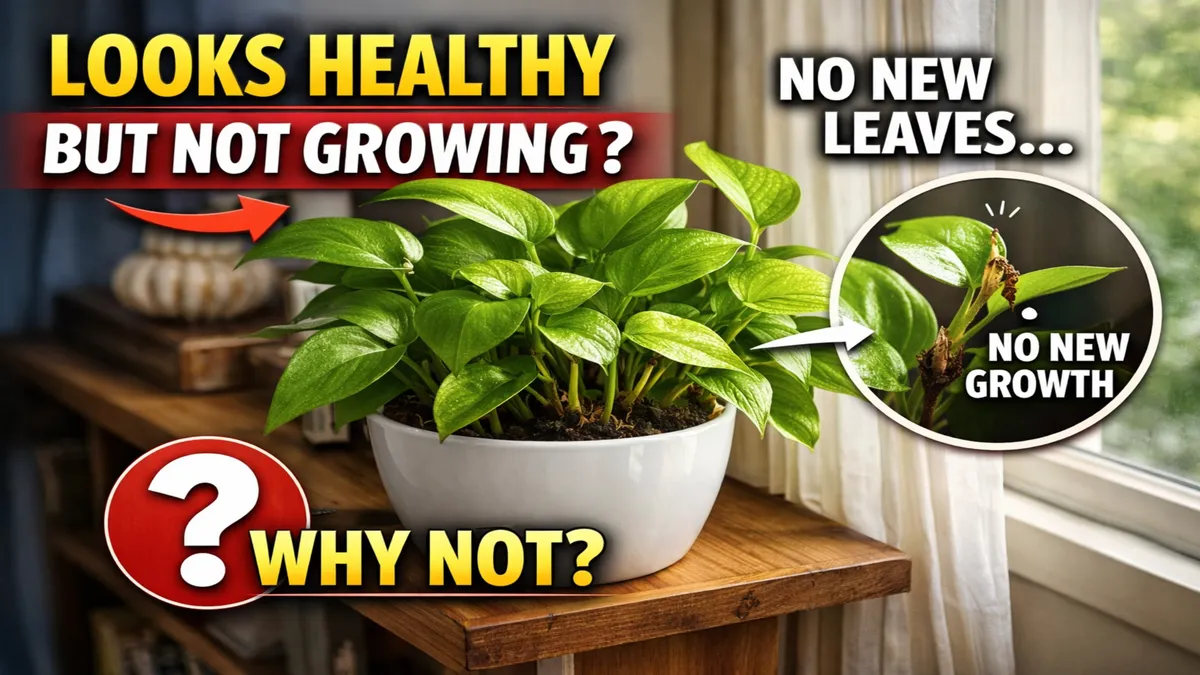
If your money plant looks healthy but is not growing, it usually means that one or more growing conditions are not ideal. Healthy leaves do not always guarantee active growth. Factors such as light, nutrients, pot size, and watering habits directly affect how fast a money plant grows. Many indoor gardeners face this issue without realizing the real cause. In this article, we explain why a money plant may stop growing despite appearing healthy and share practical solutions to encourage new leaf and vine growth.
Quick Answer:
A money plant may look healthy but stop growing due to low light, lack of nutrients, improper watering, or limited root space. Improving light exposure, feeding lightly, and repotting when needed can restart growth.
Why Is My Money Plant Not Growing?
The money plant can survive with very little care. That's why it looks healthy. But for the plant to grow, simply surviving isn't enough.
In many homes, people provide light to their plants, but not correctly. They don't actually know how long to keep the plants in sunlight. And the pots they use are often too small, which restricts the roots' growth. Sometimes the plant receives water, but not at the right time. And these small things gradually hinder the money plant's growth.
Your plant isn't dying. It's just resting because the conditions aren't forcing it to grow.
Related News
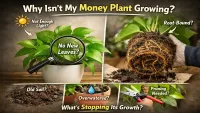
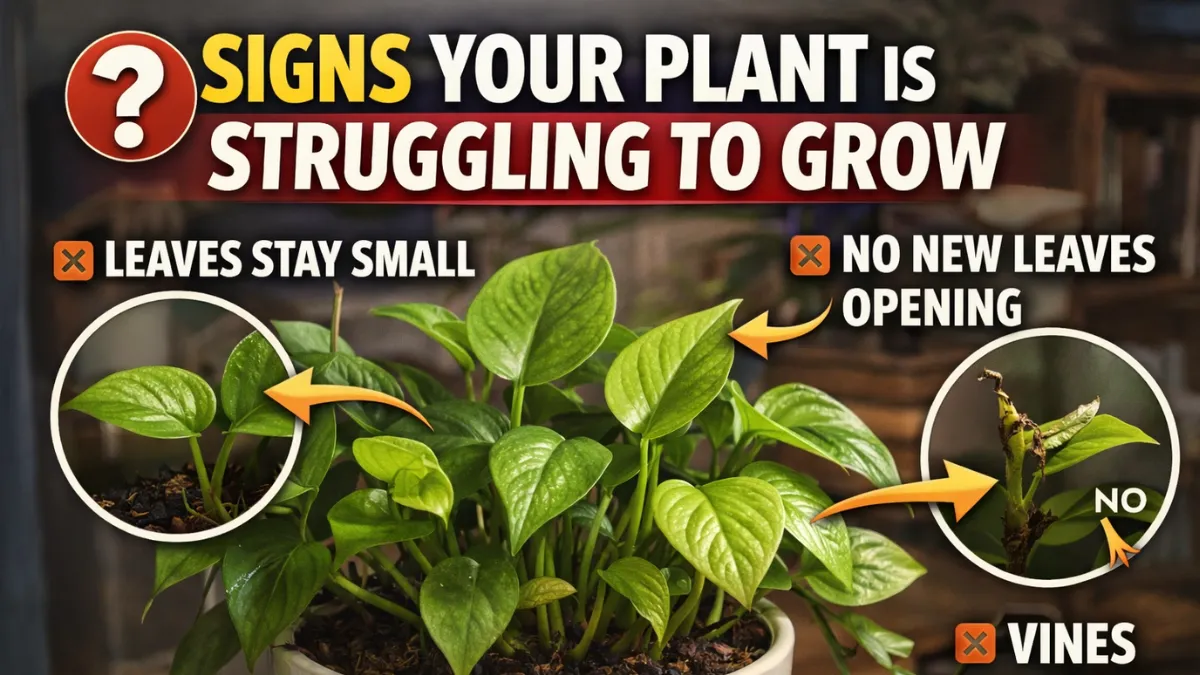
7 Common Reasons Money Plant Stops Growing
The signs are subtle. Your plant doesn't scream for help.
1. Low light exposure
2. Lack of nutrients
3. Overwatering or underwatering
4. Small or root-bound pot
5. Poor soil quality
6. Temperature stress
7. Natural slow growth phase
Examples
• A money plant placed near a small window in a bedroom often stays green but doesn't grow.
• A plant kept in water on a table can survive for months, but its growth becomes very slow.
• A plant in an old pot with compacted soil won't show new leaves even after watering.
What actually works in real homes
You don't need special fertilizers or drastic changes. Small, real-life steps work best.
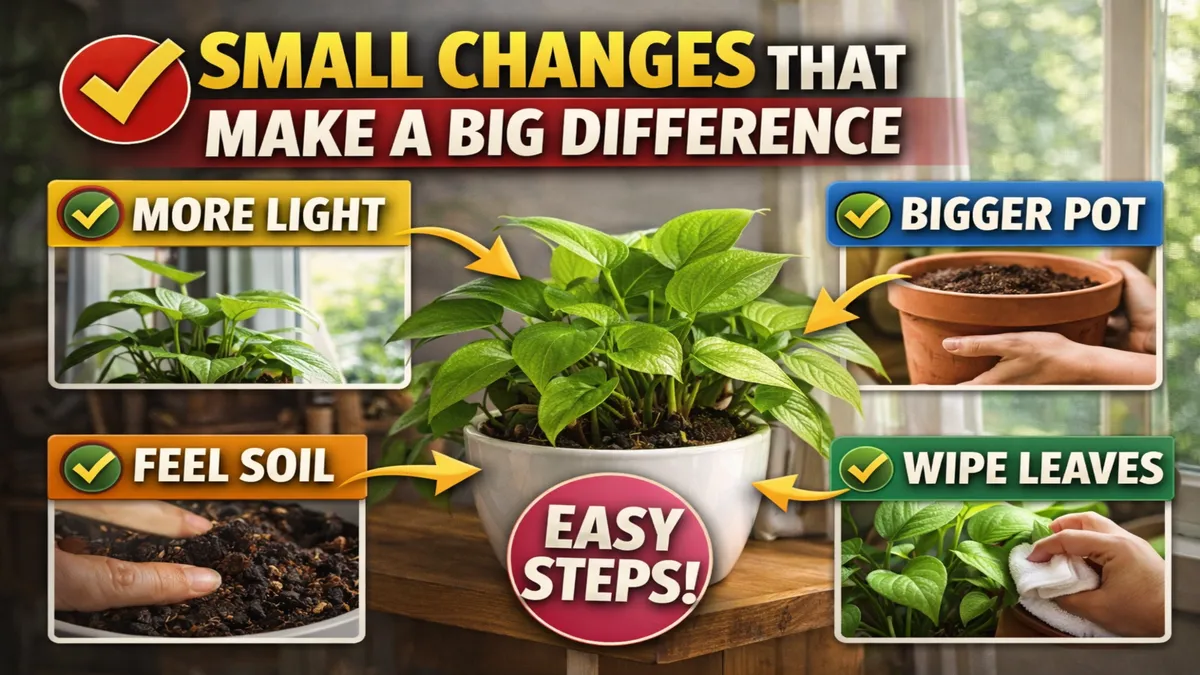
First, check the light. Money plants like bright light, but bright light doesn't mean direct sunlight. The light near a window with sheer curtains is perfect. When I moved my plant just two feet closer to the light, it started growing again. This small change made my plant thrive like before.
Second, check the pot. If the roots are filling the pot, the plant doesn't have room to grow. Repot it into a slightly larger pot. But don't put it in a much larger pot all at once.
Third, adjust your watering habits. Water the plant only when the top 2-3 inches of soil feel dry. Overwatering makes the roots lazy and can eventually cause root rot.
How to Make a Money Plant Grow Faster
Rotate the pot at least once a week so the plant receives light from all sides.
• Wipe the dust off the leaves with a damp cloth.
• Gently loosen the topsoil in the pot with your fingers.
• Let the plant stay in one place for a while.
When Will a Money Plant Start Growing Again?
These things may seem small, but they signal to the plant that it's safe to grow. Here are some common mistakes people make:
Many people, when they see their plant isn't growing, water it more. I did that too. But it doesn't help.
Keeping the plant in very low light is another mistake. The plant survives, but its growth slows down.
Some people constantly prune the vines. Excessive pruning can also slow down growth.
Frequent changes of location confuse your plant. It needs time to adjust.
Related Articles :
Overwatering Is not the Problem : The Real Reason Your Plants Are Dying
Can Money Plant Grow in Water Without Soil? Complete Care Guide
The Banana Peel Water Fertilizer Hack : Thats Reviving Indoor Plants in 2025!
Conclusion
Money plants grow slowly indoors. This is normal. If the plant looks healthy but isn't growing, you don't need to worry. If you follow all the tips I've mentioned, your plant's growth will definitely improve.