

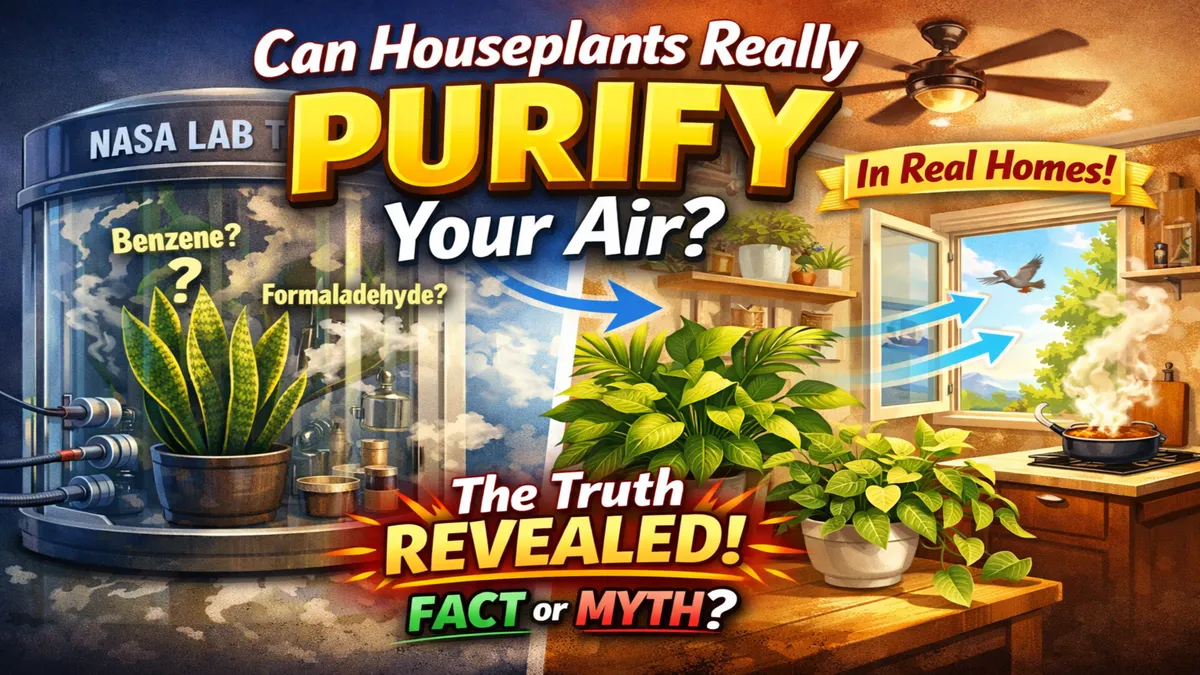
We all love indoor plants. They make our homes feel calm, green, and vibrant. Many of us also believe that plants magically purify the air in our homes. This idea largely stems from a famous NASA study. But does it actually work in real-world settings like flats and houses? Let's understand this honestly, without any jargon or complicated scientific terms.
Quick comparison:
Related News



Best for low light : Snake plant
Best for fast growth : Money plant
Best for beginners : Areca palm
Best for air circulation : Open windows + fan
What was the actual NASA plant study?
The NASA study was conducted in 1989. Its main purpose wasn't home decor. Instead, NASA wanted to purify the air inside space stations. Scientists tested plants in small, sealed chambers. They introduced harmful gases like benzene and formaldehyde. The plants gradually reduced these gases over time.
This study showed that plants can absorb some pollutants. But the testing environment was very small and controlled. It was nothing like our homes, which have open doors, fans, cooking smells, and daily activity.

Why did this study become so popular worldwide?
Following this study, many blogs and advertisements claimed that "plants purify indoor air." And people loved this idea. They found it natural and safe. Nurseries also promoted air-purifying plants. Gradually, this message spread everywhere, including homes and offices.
But one crucial detail was often overlooked. NASA never said that a few plants could purify an entire house. That part was added later by marketers, not by science.
What happens in real homes, not in lab boxes
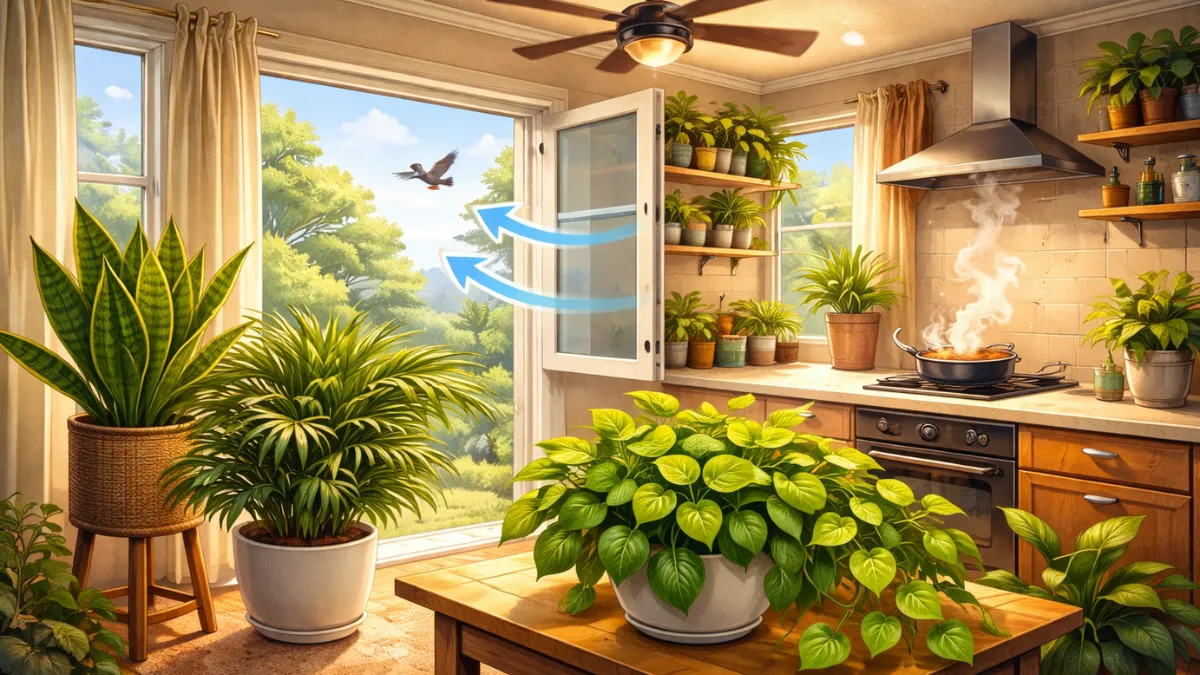
Our homes aren't sealed boxes. Air circulates. Windows open. Fans run. Kitchen fumes spread. Outside air comes in. In these conditions, plants clean the air very slowly. The effect is almost imperceptible.
In fact, later studies showed that you might need hundreds of plants in a room for proper ventilation. This isn't practical for typical homes.
Related Articles:
NASA Study Shocked Everyone : Do Indoor Plants Really Clean Air Better Than Purifiers?
Related Articles:
Peace Lily Air Purifier Myth Busted : What Works in Real Homes
Related Articles:
Air Purifying Indoor Plants People Are Loving in 2025
Plants help, but in different ways
Even if plants don't significantly purify the air, they still help us a lot. They slightly increase humidity. This is good for dry, air-conditioned rooms. Plants also collect dust on their leaves. When we wipe the leaves, we remove that dust from the room.
Most importantly, plants help our minds. They reduce stress. They make us feel relaxed. This mental comfort is real and valuable.
Indoor Plants vs. Ventilation The Real Difference
Here's a simple table to clear up the confusion:
| Method | How It Helps | Reality in Homes |
|---|---|---|
| Indoor Plants | Absorb tiny pollutants | Very slow effect |
| Open Windows | Brings fresh air | Very effective |
| Exhaust Fans | Removes smoke | Very useful |
| Air Purifier | Filters air fast | Best for pollution |
Plants are a good complement, not a substitute.
The best way to use plants for healthy homes
If you love plants, keep them. But have realistic expectations. Use plants for beauty and tranquility. Combine them with fresh air. Open your windows daily, even if only for 15 minutes. Clean the leaves regularly. Avoid placing too many plants in dark corners.
It's better to adopt simple habits than to believe in miracles.
Should you buy "air-purifying" plants?
If you like their look, you can certainly buy them. Plants like snake plants, peace lilies, and areca palms are easy to care for. They're great for beginners. But don't buy them solely for air purification. That might lead to disappointment.
Plants should primarily bring you joy. The air-purifying benefit is just a small bonus.
A plant lover's final thoughts
Indoor plants don't magically purify the air like machines. And yes, the NASA study was real, but it was misinterpreted. Because in real homes, plants do more to improve mood than to significantly reduce pollution. Still, a home filled with greenery feels better than an empty one. Use plants wisely, let in fresh air, and enjoy the tranquility they bring to everyday life.