
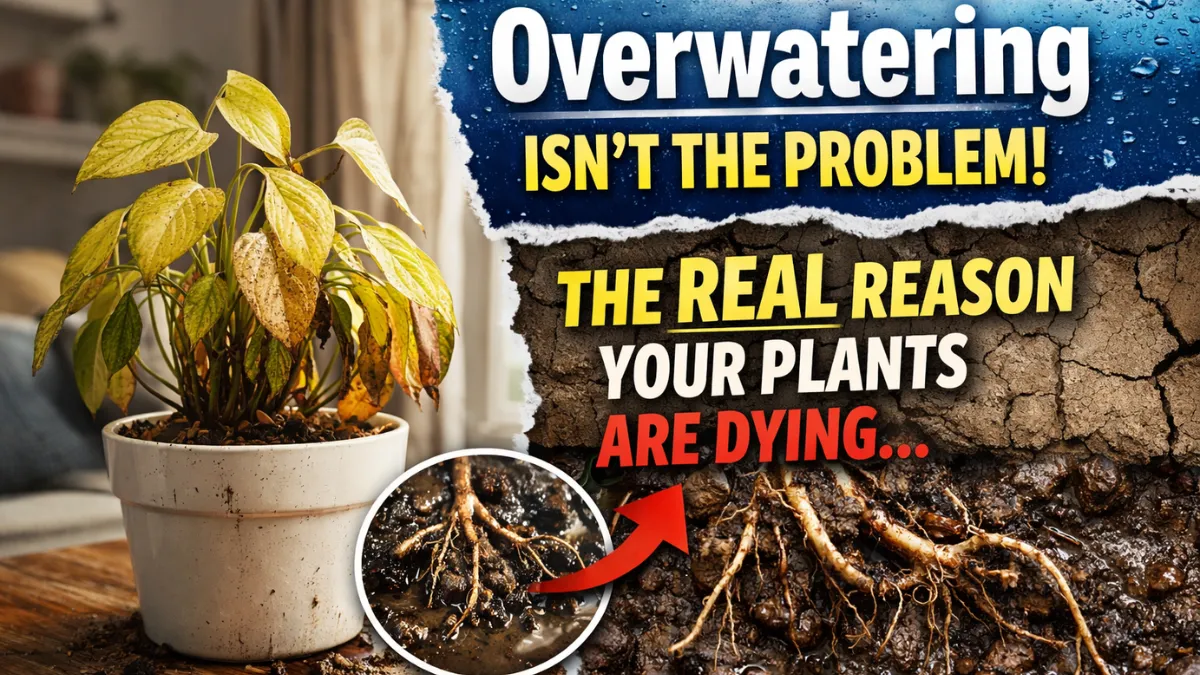
Many people make the same mistake repeatedly: they water their plants too often. Yet, their plants still look weak. The leaves turn yellow, and growth stops. I've made this mistake myself many times. I thought the plant needed more water. But later, I realized something important: overwatering isn't always the real problem. Something else is silently killing the plants in our homes. And today, I'll tell you about that problem.
Why does this problem actually occur?
Most plants don't die from lack of water. They die because their roots can't breathe properly. This is because the soil in the pots in our homes remains wet for too long. This makes the soil compact and heavy, leaving no space for air to circulate. Your plants' roots are constantly submerged in water. When the roots don't get air, they gradually rot. Even if you water less later, the damage has already been done. This is especially common in Indian homes where there is less sunlight and poor air circulation.
Related News
Signs That Your Plant Is in Distress
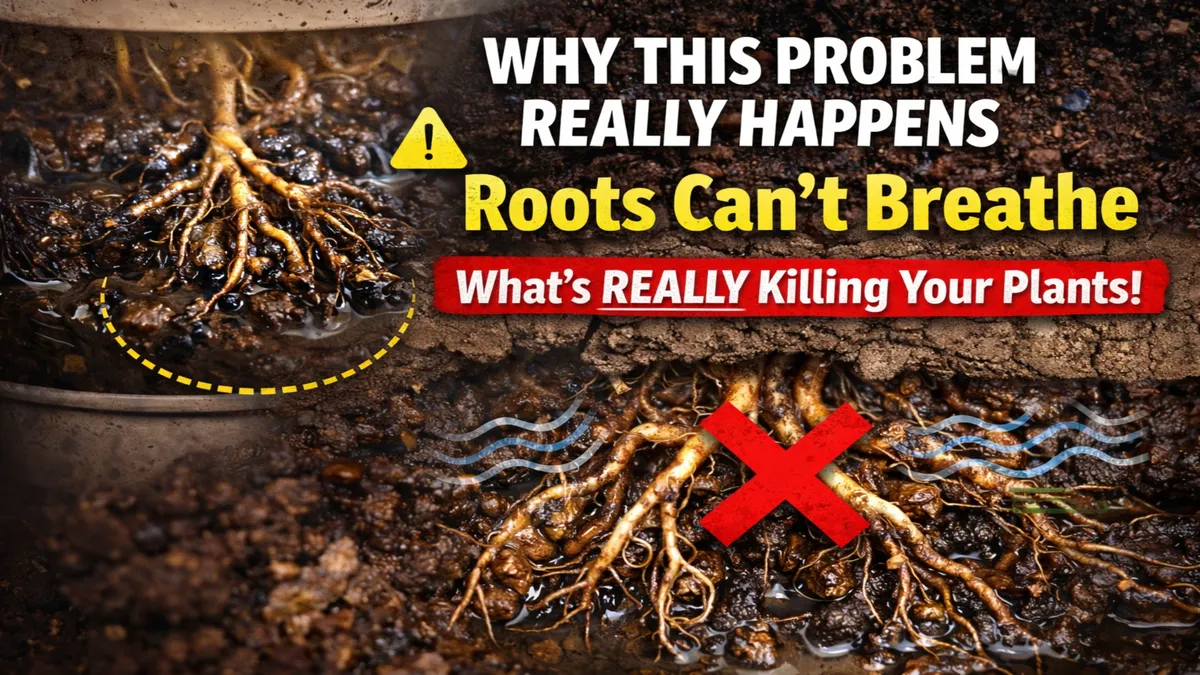
Plants always give you some signs before they die. But we often fail to understand them. Their leaves look soft but not vibrant. Yellow leaves fall off easily. New leaves stop growing. The soil smells bad when you touch it. The plant looks wilted even after watering.
Examples
In your bedroom, the money plant often stays green but stops growing. In the living room, the snake plant develops yellow spots on its lower leaves. The herbs in the kitchen look fine in the morning but wilt by evening. These are all signs that your plant's roots are unhappy, not that the plant is thirsty.
What Actually Works in Real Homes
The real solution to this problem isn't giving less water. The real solution is creating a better environment for the roots. To do this, use a light, fast-draining soil mix. Always use pots with drainage holes. Allow the top inch or two of soil to dry out before watering again. Keep plants near windows, not in the middle of rooms. Gentle morning light is very beneficial for plant growth. I simply moved my potted plants closer to the windows and they improved dramatically.
Some Small Changes That Help a Lot
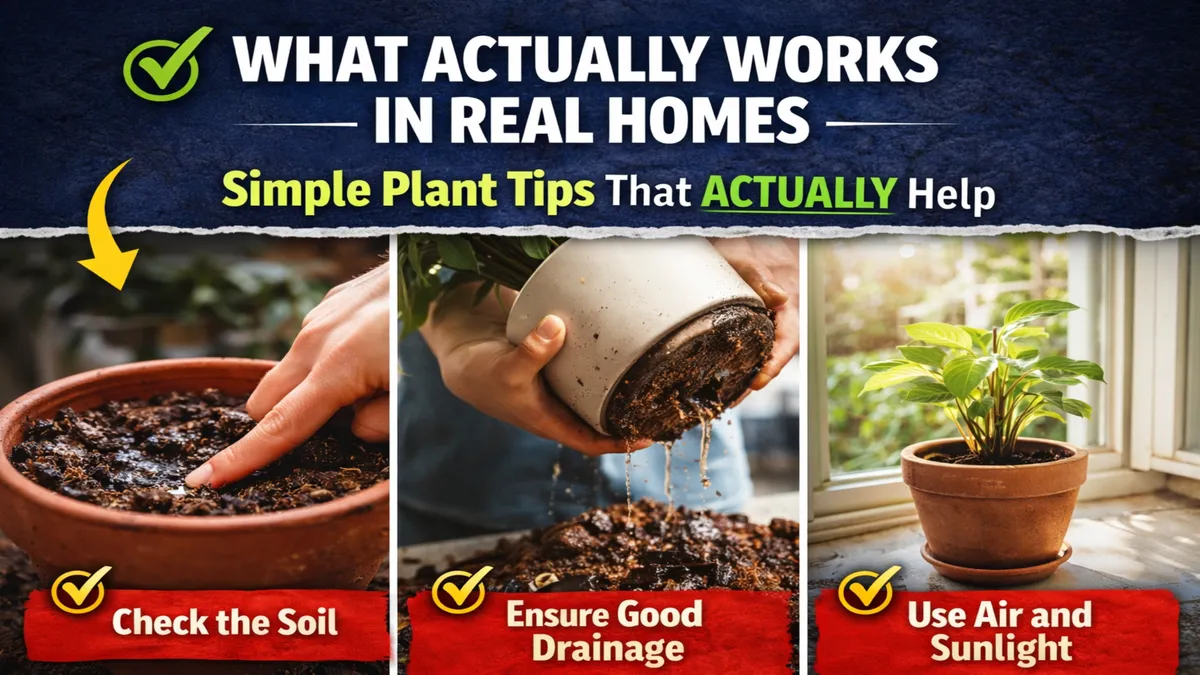
Before watering, lift the pot to check its weight; if it feels heavy, it doesn't need water. Remove decorative outer pots that trap water. Gently loosen the top layer of soil at least once a week. Rotate the plant every few days so that one side isn't always in the shade. These small habits will keep your plants growing steadily and healthily.
Common Mistakes People Make
When plants look wilted, people feel bad. So they start overwatering their plants repeatedly. This only makes the problem worse. Many people also use pots that are too small, which doesn't give the roots enough room. Some people even keep plants in dark bathrooms. None of this is done intentionally. I've made all these mistakes myself. Plants don't need perfection. They need balance.
Conclusion
Plants don't need daily attention. Instead, they need consistent care. If you give the roots air, light, and patience, the plants will recover on their own. There's no magic cure. Just take small, correct steps calmly. And your plant wants to live. You just need to stop overwatering it.