

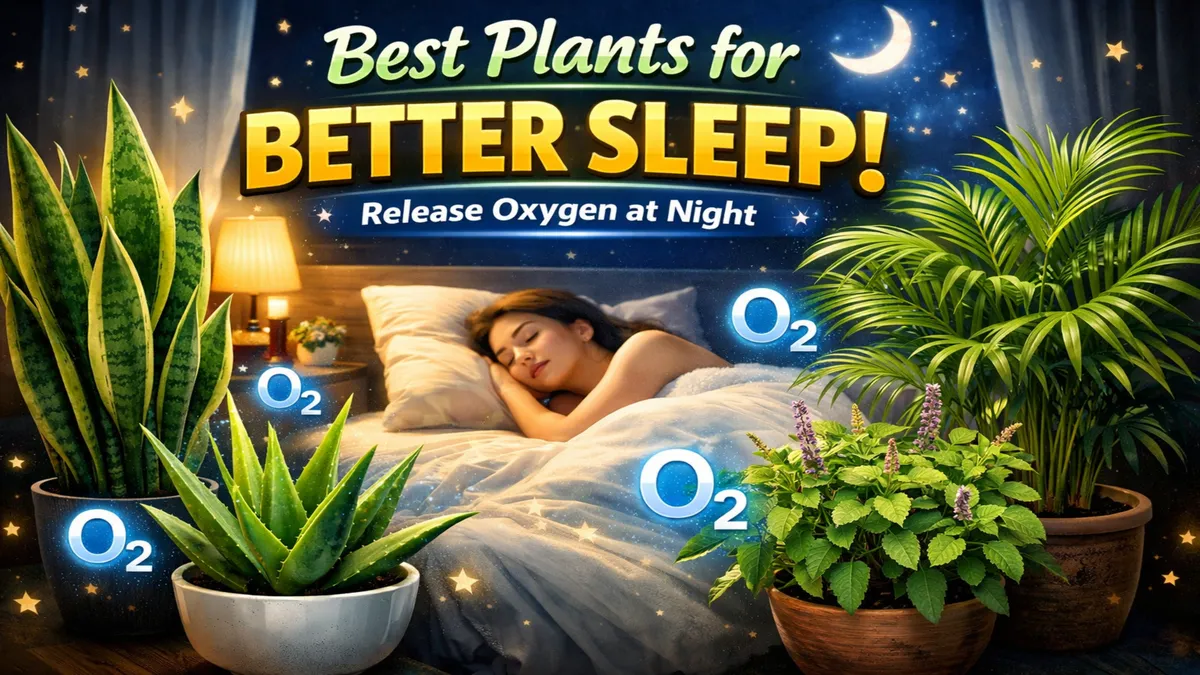
Many people enjoy having plants in their bedrooms, but a common question arises—do plants take in oxygen at night? This was the same question I had when I first placed plants near my bed. After reading actual research and testing plants at home, I learned that some plants do indeed release oxygen at night. By choosing the right plants, we can enjoy better air quality, more restful sleep, and a fresher atmosphere in our rooms.
Quick Comparison:
Best for low light : Snake Plant
Best for fast growth : Aloe Vera
Best for beginners : Areca Palm
Best for air circulation : Tulsi (Holy Basil)
Related News



What does "releasing oxygen at night" actually mean?
Plants typically release oxygen during the day. However, some specific plants operate differently. They follow a process called CAM photosynthesis. These plants take in carbon dioxide at night and slowly release oxygen. This has been proven by plant biology research and is not a myth.
These plants won't turn your room into an oxygen factory. But they do help maintain a better balance of air. In my own experience, rooms with these plants feel less stuffy, especially in closed homes where windows are kept shut at night.
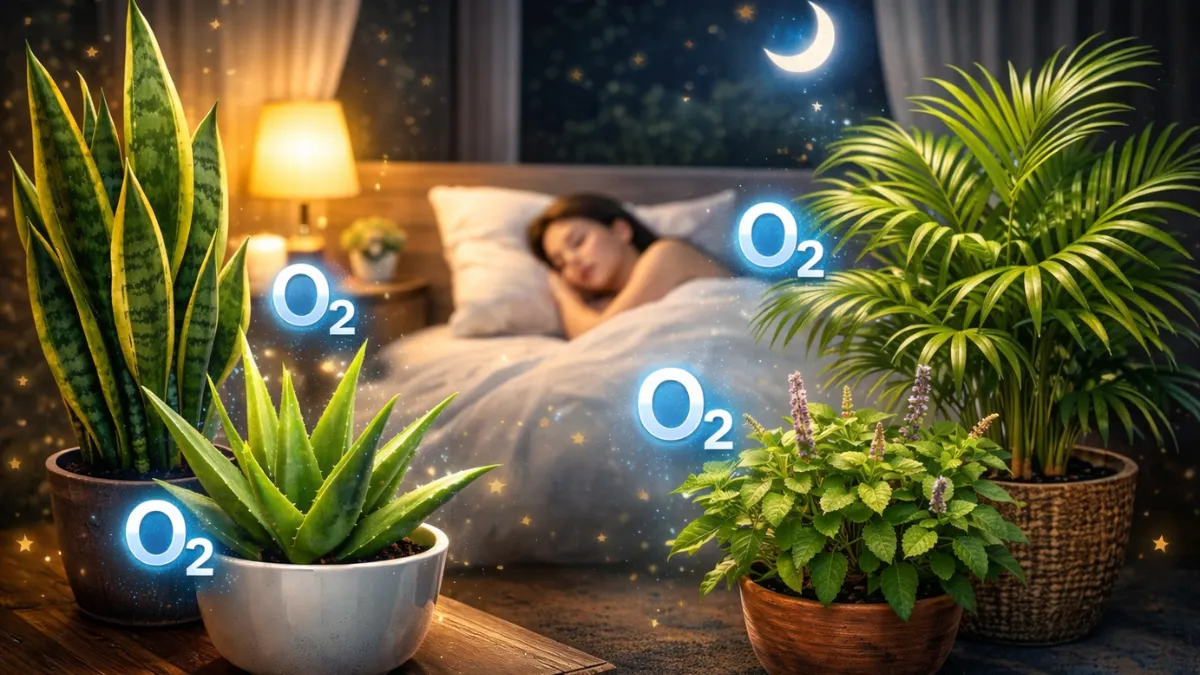
Snake Plant – The most reliable oxygen-releasing plant at night
The snake plant is often recommended for bedrooms, and for good reason. It releases oxygen and absorbs carbon dioxide at night. It was even mentioned in NASA's clean air study for indoor use. I've kept it in low-light rooms for years without any problems.
It requires very little water and survives heat, cold, and neglect. This makes it perfect for any home. A medium-sized plant near the bed is sufficient. More plants don't necessarily mean more benefits, so keep it simple.
Aloe Vera – A Small Plant with Real Benefits
Aloe vera is another CAM plant that releases oxygen at night. It also signals poor air quality by developing brown spots on its leaves. I've witnessed this myself when the indoor air was dusty. It likes sunlight during the day, so keep it near a window.
Besides supporting air quality, aloe vera gel is beneficial for skin burns and cuts. This makes it a practical plant for homes. Avoid overwatering, especially in winter, as the roots rot easily.
Areca Palm – Oxygen Support with Humidifying Benefits
The Areca palm isn't strictly a night-time oxygen-releasing plant, but it helps maintain humidity and freshness in the air. It works well in air-conditioned bedrooms where the air tends to get dry. In my own home, it seemed to make breathing easier on summer nights.
It needs indirect light and regular watering. Clean its leaves thoroughly once a week to keep the pores open. Although it mostly releases oxygen during the day, its air-balancing effect contributes to better sleep at night.
Related Article:
Do Indoor Plants Give Oxygen at Night? Myth vs Fact Explained
Tulsi (Holy Basil) – Traditional Yet Research-Backed
Tulsi has been a part of Indian homes for generations. And research shows that it releases oxygen for more hours than many other plants. It also possesses antibacterial properties. Many people, including myself, feel a sense of calm around Tulsi.
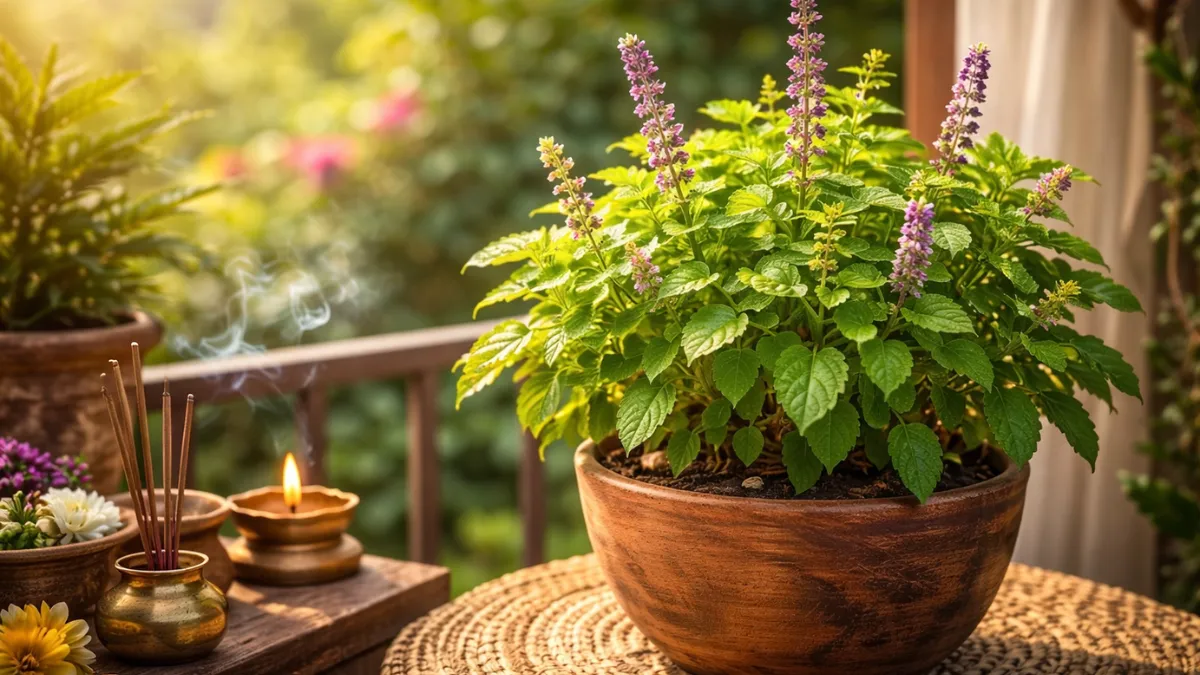
Place Tulsi where it receives morning sunlight. Do not keep it in a closed, dark room. A balcony or near a window is best. Daily watering in the summer is essential for healthy growth.
Related Article:
Best Bedroom Plants for Oxygen & Better Sleep (Expert Picks)
Peace Lily – What the Research Actually Says
Peace lilies do improve indoor air quality by absorbing toxins. However, they do not release oxygen at night like CAM plants. This is a very common misconception online. But I'm sharing this honestly because accuracy matters more than trends.
Peace lilies are still good for bedrooms due to their humidity control and calming presence. Just don't expect them to release oxygen at night. Keep the soil slightly moist and protect them from direct sunlight.
Do These Plants Really Improve Sleep?
Plants alone can't cure sleep problems. But they do contribute to a calming environment. And research shows that clean air, stable humidity, and greenery reduce stress. From my personal experience, rooms with plants feel mentally lighter.
The biggest benefit is psychological comfort. Seeing lush greenery around you is relaxing. Combined with proper ventilation and good hygiene habits, these plants can naturally contribute to better sleep quality.
Common Misconceptions vs. Reality (Helpful Table)
| Common Belief | Reality |
|---|---|
| Plants give oxygen all night | Only CAM plants release oxygen at night |
| More plants = more oxygen | Balance matters, overcrowding reduces airflow |
| Any plant is good for bedroom | Some plants increase humidity or smell |
| Plants replace ventilation | Plants support air, not replace fresh air |
Related Article:
Why Snake Plant Is Called the Night Oxygen Machine — The Trend Everyones Talking About!
Final Tips for an Authentic Home Experience
Choose 1-2 oxygen-producing plants, no more. Keep the leaves clean and avoid overwatering. Don't restrict airflow thinking the plants will take care of everything themselves. Plants thrive best with fresh air and sunlight. When these plants are cared for patiently, they quietly contribute to better nights and calmer mornings, without any false promises or claims of miracles.