

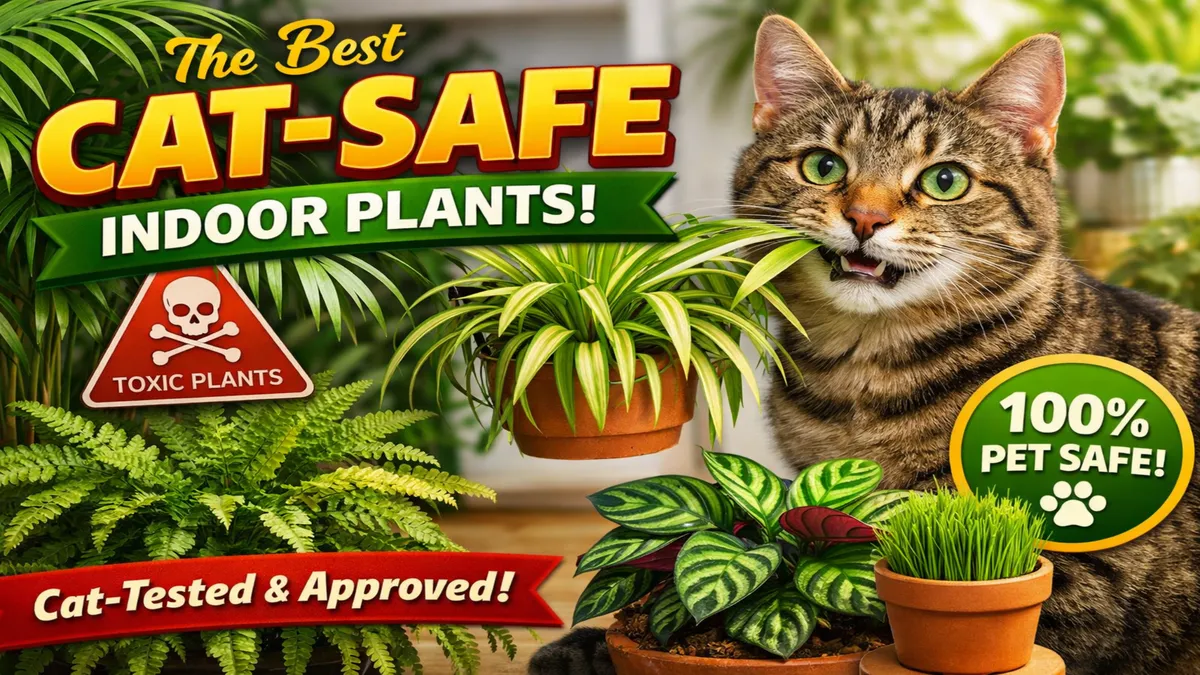
Cats often love to chew on plants. I learned this firsthand when my kitten chewed on all the leaves of my living room plants. But some plants are dangerous, while others are safe. This guide covers the indoor plants I've grown at home that have proven completely safe for my cats.
Why Choosing Cat-Safe Indoor Plants is Important
Cats explore things with their mouths. If a plant is toxic, even a little nibbling can be dangerous. After my vet warned me, I removed three plants overnight. Since then, I only keep plants that are considered non-toxic to cats.
Related News



Safe plants provide peace of mind. You can decorate your home without stress, knowing your cat is curious, playful, and healthy. And you can stop yelling "No!" every five minutes.
How I Tested These Plants in a Real Cat Household
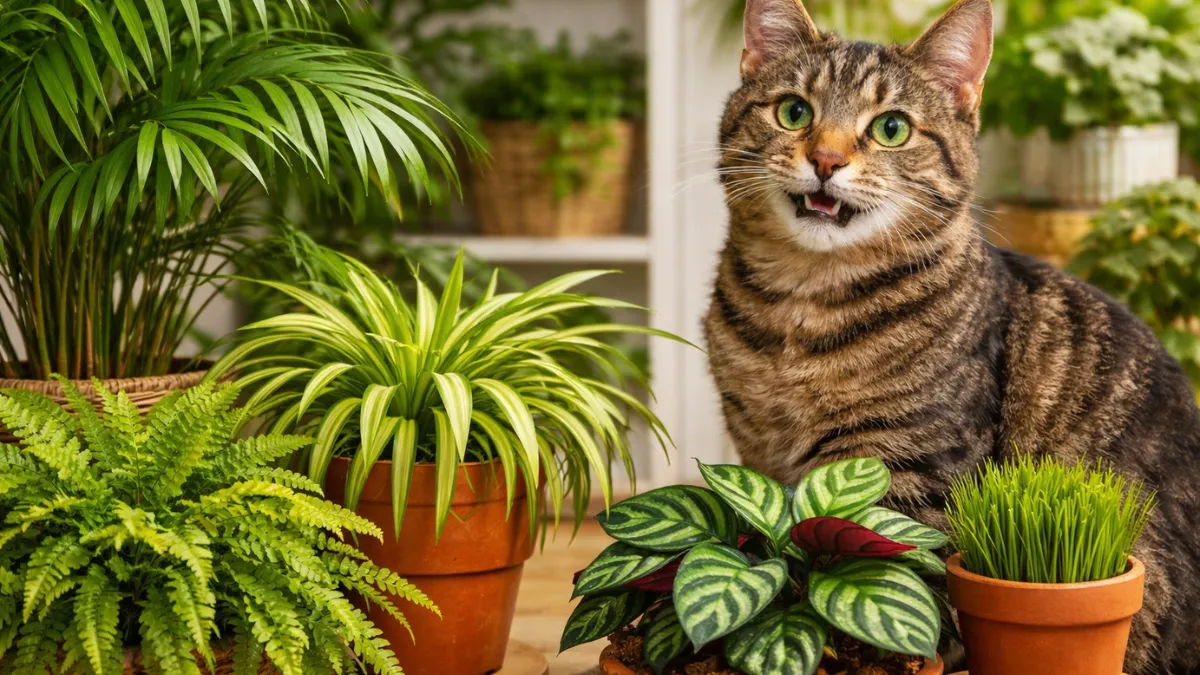
I kept each of the plants listed below in my own home for months. My cats sniffed them, brushed against them, and yes, even nibbled on them. I closely monitored them for vomiting, drooling, or changes in behavior. Nothing happened.
I also checked vet-approved non-toxic lists before buying any plants. But even so, testing at home is crucial. Lighting, potting mix, and the plant's location all affect how appealing a plant is to a cat.
This guide is based on real Indian homes with cats and dogs,
not greenhouse or lab-tested conditions.
Also Read : Spider Plant vs Snake Plant: Which Is Better Indoors? (2026 Test)
The Best Pet-Safe Indoor Plants for Cats
Areca Palm (Dypsis lutescens)
This palm is tall, lush, and safe for cats. My cats often love to hide behind its leaves. It handles bright, indirect light well and survives even if you forget to water it. Its leaves bend when cats touch them, but they don't break.
Spider Plant (Chlorophytum comosum)
Cats seem to love this plant a little too much. It's non-toxic but very tempting. I keep it on a shelf. It grows quickly and survives chewing better than most plants.
Calathea (Prayer Plant)
Calatheas are safe and beautiful. I grow mine near my north-facing window. My cats sniff them but rarely bite them. The leaves move at night, which keeps the cats curious without causing any harm.
Boston Fern (Nephrolepis exaltata)
This fern is safe and lush. It just needs humidity. I mist it lightly. My cats rub against it but have never gotten sick. Just keep it away from dry air, otherwise, its leaves will shed everywhere.
Parlor Palm (Chamaedorea elegans)
This is one of the safest palms. It's a slow-growing and compact plant. Perfect for small spaces. My cats mostly ignore it, which is a bonus, to be honest. Mistakes Cat Owners Make with Indoor Plants
| Mistake | Why it happens | Simple fix |
|---|---|---|
| Buying plants only for looks | Toxic plants are often popular | Check pet safety first |
| Leaving plants at floor level | Easy for cats to chew | Use stands or shelves |
| Ignoring soil | Fertilizers smell interesting to cats | Use pet-safe soil |
| Too many plants together | Cats see it as a play zone | Space plants apart |
Also Read : Pet-Safe Indoor Plants for Homes with Cats & Dogs (Safe List)
Where to Place Cat-Safe Plants at Home
The placement of any plant is just as important as the plant itself. Near windows is a good spot. Never place plants near the litter box or food bowls. Cats associate those areas with routine, not playtime.
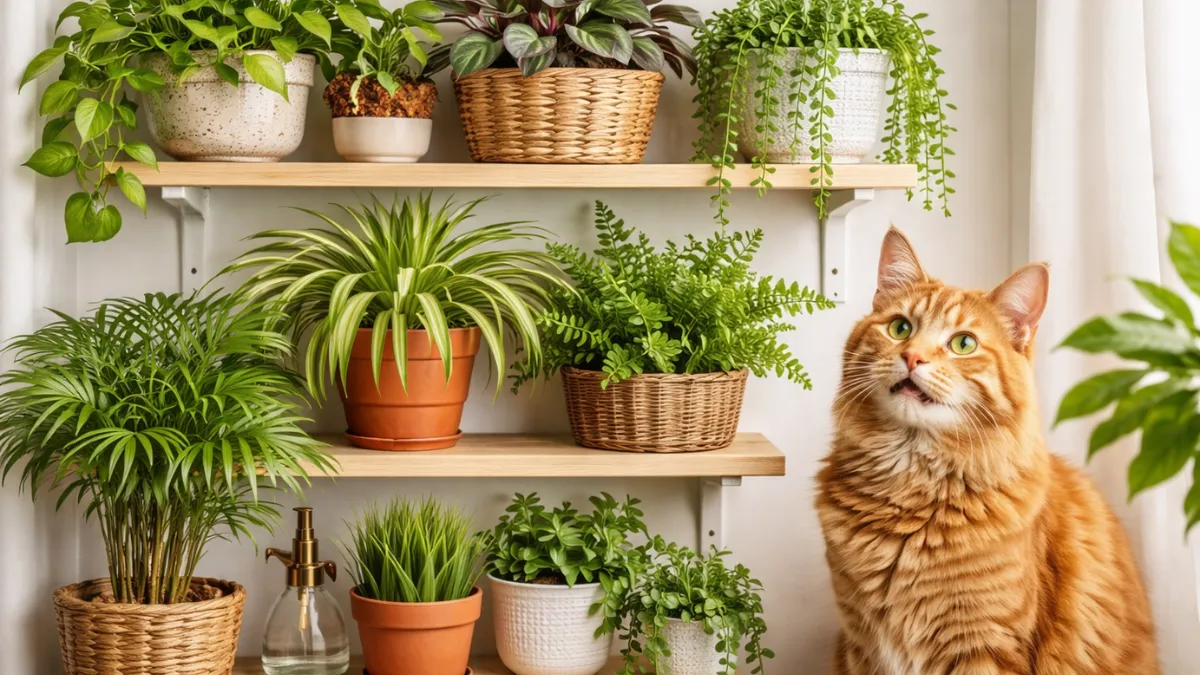
I often use plant stands and wall shelves. This reduces chewing and keeps the leaves clean. Some cats chew more when they're bored, so toys also help.
Do you still need to take precautions even with cat-safe plants?
Yes. Just because a plant isn't poisonous doesn't mean it's safe to eat. Excessive chewing can still upset your cat's stomach. If your cat frequently eats plants, provide alternatives like cat grass.
Also, keep an eye on the fertilizer. I use a diluted organic feed once a month. Harsh chemicals pose a much greater risk than the plants themselves.
Plants I removed after getting cats
Even beautiful plants had to go. Peace lilies, snake plants, and pothos—all of them are gone from my house. Because they are all common and toxic. Replacing them with safe plants reduced my stress and the number of trips to the vet.
My own real-life experience
It is possible for anyone to live with both cats and plants. You just need the right plants and the right placement. I now enjoy greenery without any worries. My cats are safe. This balance is worth every little adjustment.
Also Read : Pet-Safe Indoor Plants for Dogs (Real Household Guide)
Reviewed by: Nitin Savita
Indoor Plant Care Specialist
Hands-on experience with pet-safe indoor plants
Last field-checked: January 2026